As a seasoned pump casting supplier, I've witnessed firsthand the challenges that porosity presents in the pump casting process. Porosity, those tiny holes or voids in the castings, can significantly undermine the quality, performance, and durability of pump components. In this blog, I'll share some practical strategies and insights on how to reduce porosity in pump casting, drawing from my years of experience in the industry.
Understanding the Causes of Porosity
Before we delve into the solutions, it's crucial to understand what causes porosity in pump casting. There are several factors at play, each contributing to the formation of those unwanted voids.
Gas Entrapment
During the casting process, gases such as hydrogen, nitrogen, and oxygen can get trapped in the molten metal. These gases are often released from the mold material, the metal itself, or the atmosphere. As the metal solidifies, the gases are unable to escape, resulting in porosity.
Shrinkage
As the molten metal cools and solidifies, it undergoes a volume change. If the shrinkage is not properly compensated for, it can lead to the formation of voids. This is particularly common in thick sections of the casting, where the metal takes longer to cool and solidify.
Inadequate Gating and Riser Design
The gating system is responsible for guiding the molten metal into the mold cavity, while the risers provide additional metal to compensate for shrinkage. If the gating and riser design is not optimized, it can result in uneven filling of the mold, gas entrapment, and shrinkage porosity.
Contaminants
Contaminants in the molten metal, such as oxides, slag, or other impurities, can act as nucleation sites for gas bubbles, leading to porosity. These contaminants can enter the metal during melting, pouring, or handling.
Strategies to Reduce Porosity
Now that we have a better understanding of the causes of porosity, let's explore some strategies to reduce it in pump casting.
Improve Melting and Pouring Practices
- Proper Melting Techniques: Use a clean and well-maintained melting furnace to minimize the introduction of contaminants into the molten metal. Control the melting temperature and time to ensure complete melting and degassing of the metal.
- Degassing: Implement degassing processes, such as using degassing agents or vacuum degassing, to remove dissolved gases from the molten metal. This can significantly reduce gas entrapment porosity.
- Pouring Temperature and Rate: Optimize the pouring temperature and rate to ensure smooth and even filling of the mold cavity. A too-high pouring temperature can increase the risk of gas entrapment, while a too-low temperature can result in incomplete filling and cold shuts.
Optimize Mold Design and Materials
- Gating and Riser Design: Work with experienced engineers to design an efficient gating and riser system that promotes uniform filling of the mold and provides adequate feeding of the casting to compensate for shrinkage. Use simulation software to analyze and optimize the gating and riser design before production.
- Mold Venting: Ensure proper venting of the mold to allow gases to escape during the casting process. This can be achieved through the use of vents, cores, or porous mold materials.
- Mold Coatings: Apply high-quality mold coatings to improve the surface finish of the casting and reduce the risk of gas entrapment. The coating can also act as a barrier between the molten metal and the mold, preventing the formation of oxides and other contaminants.
Control the Casting Environment
- Cleanliness: Maintain a clean and controlled casting environment to minimize the introduction of contaminants into the molten metal. This includes keeping the melting furnace, ladles, and other equipment clean, as well as using clean raw materials.
- Humidity and Temperature: Control the humidity and temperature in the casting area to prevent the absorption of moisture by the mold material, which can lead to gas entrapment porosity. Use dehumidifiers and temperature control systems as needed.
Implement Quality Control Measures
- Inspection and Testing: Conduct regular inspection and testing of the castings to detect and identify porosity. Non-destructive testing methods, such as ultrasonic testing, X-ray inspection, and magnetic particle inspection, can be used to detect internal porosity.
- Process Monitoring: Monitor the casting process parameters, such as temperature, pressure, and flow rate, to ensure consistent quality. Use sensors and data logging systems to collect and analyze process data, and make adjustments as needed to optimize the casting process.
Benefits of Reducing Porosity in Pump Casting
Reducing porosity in pump casting offers several benefits, including:
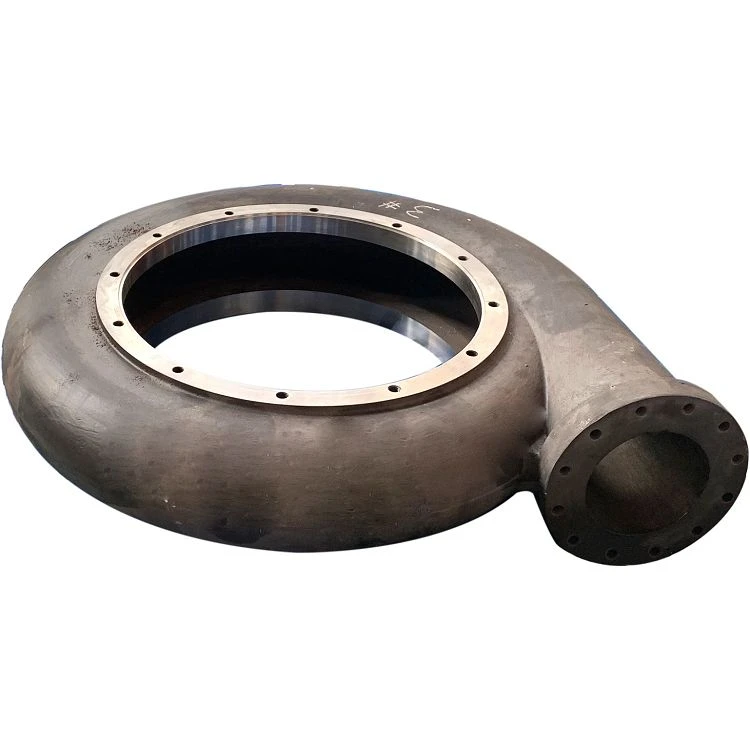
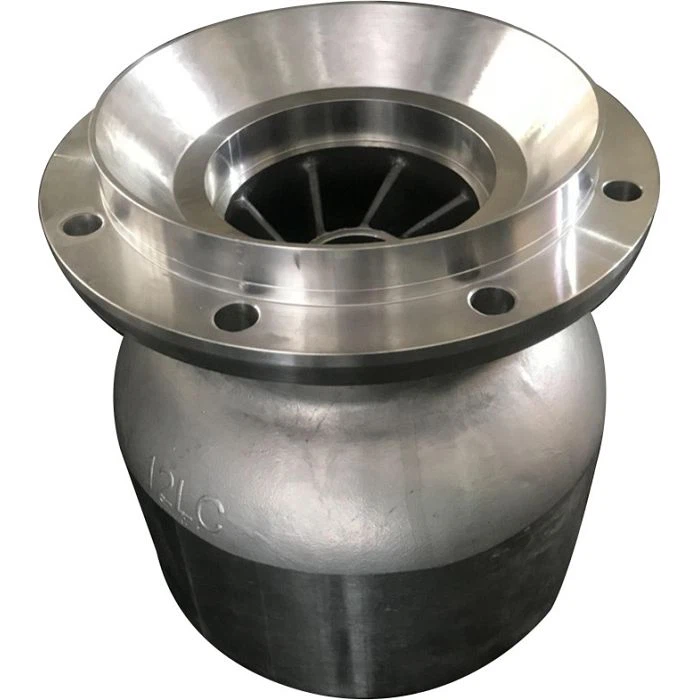
- Improved Quality and Performance: Porosity-free castings have better mechanical properties, such as strength, hardness, and fatigue resistance, which can improve the performance and reliability of the pump.
- Enhanced Durability: By reducing porosity, the castings are less prone to corrosion and wear, which can extend the service life of the pump.
- Cost Savings: Porosity-free castings require less post-processing and rework, which can reduce production costs and lead times.
- Customer Satisfaction: High-quality, porosity-free pump castings can enhance customer satisfaction and help build a strong reputation in the market.
Conclusion
Porosity is a common challenge in pump casting, but with the right strategies and practices, it can be effectively reduced. By understanding the causes of porosity, implementing appropriate solutions, and maintaining strict quality control measures, we can produce high-quality pump castings that meet the demanding requirements of our customers.
As a pump casting supplier, we are committed to providing our customers with the best possible products and services. If you're interested in Wear Resistant Pump Parts, Stainless Steel Pump Casting, or Cast Iron Casting, we'd love to hear from you. Contact us today to discuss your specific requirements and explore how we can help you achieve your goals.
References
- Campbell, J. (2003). Castings. Butterworth-Heinemann.
- Flemings, M. C. (1974). Solidification Processing. McGraw-Hill.
- Kalpakjian, S., & Schmid, S. R. (2014). Manufacturing Engineering and Technology. Pearson.