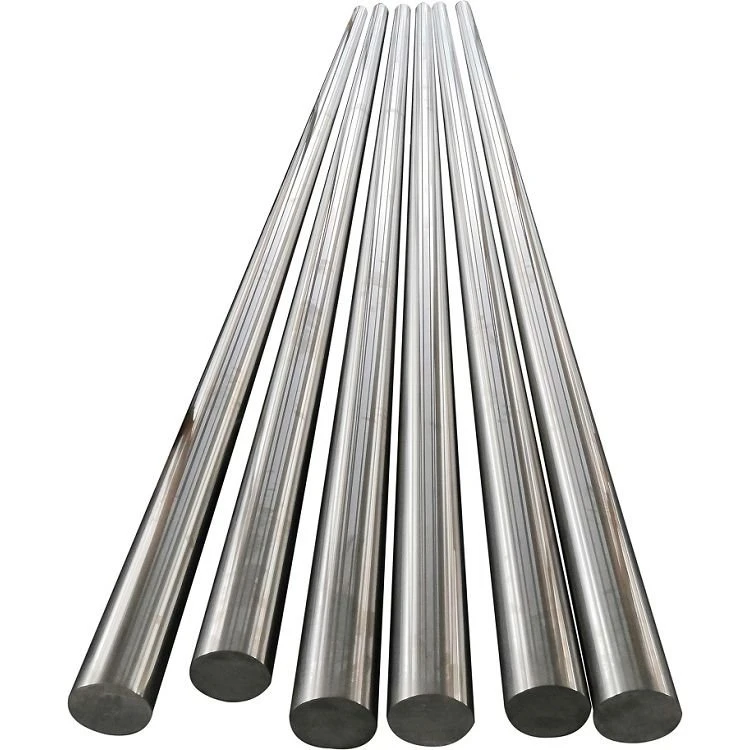
Vibration in a pump shaft can lead to a multitude of issues, including premature wear and tear, reduced efficiency, and even system failure. As a reputable Pump Shaft supplier, we understand the significance of minimizing pump shaft vibration to ensure the optimal performance and longevity of your pumping systems. In this blog, we'll explore the various causes of pump shaft vibration and provide practical solutions to reduce it.
Understanding the Causes of Pump Shaft Vibration
Before we delve into the solutions, it's crucial to understand the root causes of pump shaft vibration. Several factors can contribute to this problem, including:
Misalignment
One of the most common causes of pump shaft vibration is misalignment. Misalignment occurs when the pump shaft and the motor shaft are not perfectly aligned. This can happen due to improper installation, thermal expansion, or foundation settlement. Misalignment can lead to increased stress on the bearings and couplings, resulting in vibration and premature wear.
Unbalance
Unbalance is another significant cause of pump shaft vibration. It occurs when the mass distribution around the shaft is uneven. This can be due to manufacturing defects, wear and tear, or the accumulation of debris on the impeller or other rotating components. Unbalance causes the shaft to vibrate as it rotates, putting additional stress on the bearings and other components.
Resonance
Resonance is a phenomenon that occurs when the natural frequency of the pump system matches the frequency of the vibration. This can amplify the vibration and cause severe damage to the pump and its components. Resonance can be caused by factors such as improper design, changes in operating conditions, or the presence of loose components.
Bearing Issues
Worn or damaged bearings can also cause pump shaft vibration. Bearings support the shaft and allow it to rotate smoothly. If the bearings are worn, damaged, or improperly lubricated, they can cause the shaft to vibrate. This can lead to increased friction, heat generation, and premature bearing failure.
Cavitation
Cavitation is a process that occurs when the pressure in the pump drops below the vapor pressure of the liquid being pumped. This causes the formation of vapor bubbles, which collapse when they reach a region of higher pressure. The collapse of these bubbles can cause severe damage to the impeller and other components, resulting in vibration and reduced pump efficiency.
Solutions to Reduce Pump Shaft Vibration
Now that we've identified the common causes of pump shaft vibration, let's explore some practical solutions to reduce it.
Proper Alignment
Ensuring proper alignment between the pump shaft and the motor shaft is essential to reduce vibration. This can be achieved through precision alignment techniques, such as laser alignment. Laser alignment systems provide accurate measurements and allow for precise adjustments to be made to ensure the shafts are perfectly aligned. Regular alignment checks should also be performed to detect and correct any misalignment that may occur over time.
Balancing
Balancing the rotating components of the pump, such as the impeller, is crucial to reduce unbalance and vibration. This can be done using specialized balancing equipment, which measures the amount and location of the unbalance and allows for the addition or removal of weights to correct it. Dynamic balancing is the most effective method, as it takes into account the operating conditions of the pump.
Avoiding Resonance
To avoid resonance, it's important to ensure that the natural frequency of the pump system is well away from the operating frequency. This can be achieved through proper design and selection of the pump and its components. Additionally, the use of vibration isolators and dampers can help to reduce the transmission of vibration and prevent resonance from occurring.
Bearing Maintenance
Regular bearing maintenance is essential to prevent bearing issues and reduce vibration. This includes proper lubrication, inspection, and replacement of worn or damaged bearings. Using high-quality bearings and following the manufacturer's recommendations for maintenance can help to ensure the long-term reliability of the pump.
Cavitation Prevention
To prevent cavitation, it's important to ensure that the pump is operating within its recommended range of flow and pressure. This can be achieved through proper system design, including the selection of the appropriate pump size and the use of suction and discharge piping of the correct diameter. Additionally, the use of anti-cavitation devices, such as inducer pumps or cavitation suppressors, can help to reduce the risk of cavitation.
Our Expertise as a Pump Shaft Supplier
As a leading Pump Shaft supplier, we have extensive experience in providing high-quality pump shafts and related components. Our pump shafts are manufactured using the latest technology and the highest quality materials to ensure optimal performance and durability. We also offer a range of value-added services, including custom design and engineering, balancing, and alignment.
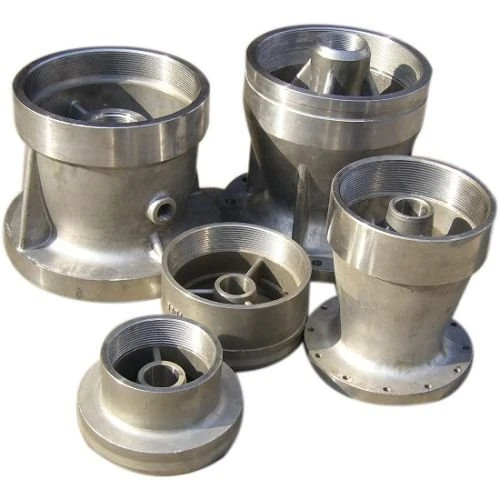
In addition to our pump shafts, we also supply a wide range of Sea Water Pump Parts for various applications. Our sea water pump parts are designed to withstand the harsh conditions of marine environments and are available in a variety of materials and configurations to meet your specific needs.
Conclusion
Reducing pump shaft vibration is essential to ensure the optimal performance and longevity of your pumping systems. By understanding the causes of vibration and implementing the appropriate solutions, you can minimize the risk of premature wear and tear, reduce maintenance costs, and improve the overall efficiency of your pumps.
As a trusted Pump Shaft supplier, we are committed to providing our customers with the highest quality products and services. If you have any questions or need assistance with reducing pump shaft vibration, please don't hesitate to contact us. We look forward to working with you to find the best solutions for your pumping needs.
References
- Karassik, I. J., Messina, R. W., Cooper, P. E., & Heald, C. C. (2008). Pump Handbook. McGraw-Hill Professional.
- Bloch, H. P., & Geitner, F. K. (2006). Pump User's Handbook: Life Extension. Gulf Professional Publishing.
- Stepanoff, A. J. (1957). Centrifugal and Axial Flow Pumps: Theory, Design, and Application. John Wiley & Sons.