Ductile iron, also known as nodular or spheroidal graphite iron, has gained significant popularity in various industries due to its excellent mechanical properties, including high strength, good ductility, and superior impact resistance. Sand casting is one of the most common methods used to produce ductile iron components. As a ductile iron casting supplier, I have extensive experience in sand casting for ductile iron, and in this blog, I will discuss the characteristics of sand casting for ductile iron casting.
1. Flexibility in Design
One of the primary advantages of sand casting for ductile iron is its high degree of design flexibility. Sand casting allows for the production of complex shapes and intricate details that may be difficult or impossible to achieve with other casting methods. This is because sand molds can be easily shaped and formed around a pattern, which can be made from a variety of materials such as wood, plastic, or metal.
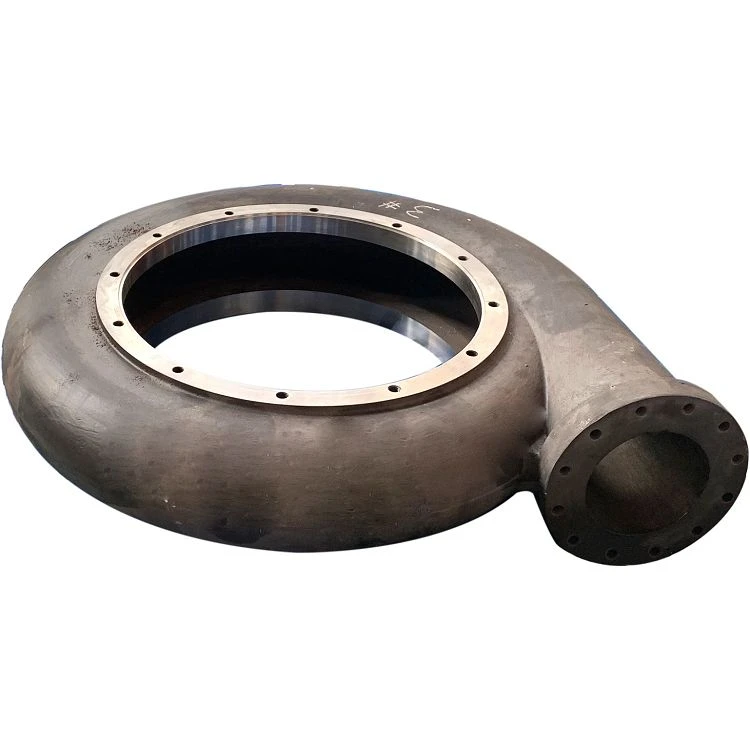
The ability to create complex designs makes sand casting ideal for producing ductile iron components with unique geometries, such as Wear Resistant Pump Parts. These parts often require precise dimensions and intricate internal passages to ensure optimal performance. Sand casting enables the production of these parts with high accuracy and repeatability, meeting the strict requirements of the pump industry.
2. Cost - Effectiveness
Sand casting is a relatively cost - effective method for producing ductile iron castings, especially for large - scale production. The raw materials used in sand casting, such as sand and binder, are inexpensive and readily available. Additionally, the tooling costs for sand casting are generally lower compared to other casting processes, such as investment casting or die casting.
The pattern used in sand casting can be made using simple and inexpensive materials, and it can be easily modified or replaced if necessary. This makes sand casting a suitable option for both small - batch and large - batch production. For example, when producing Cast Iron Casting for various industrial applications, sand casting can offer a cost - effective solution without sacrificing quality.
3. Suitable for Large - Sized Components
Sand casting is well - suited for producing large - sized ductile iron components. The size of the casting is mainly limited by the capacity of the casting equipment and the mold - making facilities. Unlike some other casting methods that have restrictions on the size of the parts they can produce, sand casting can handle very large and heavy components.
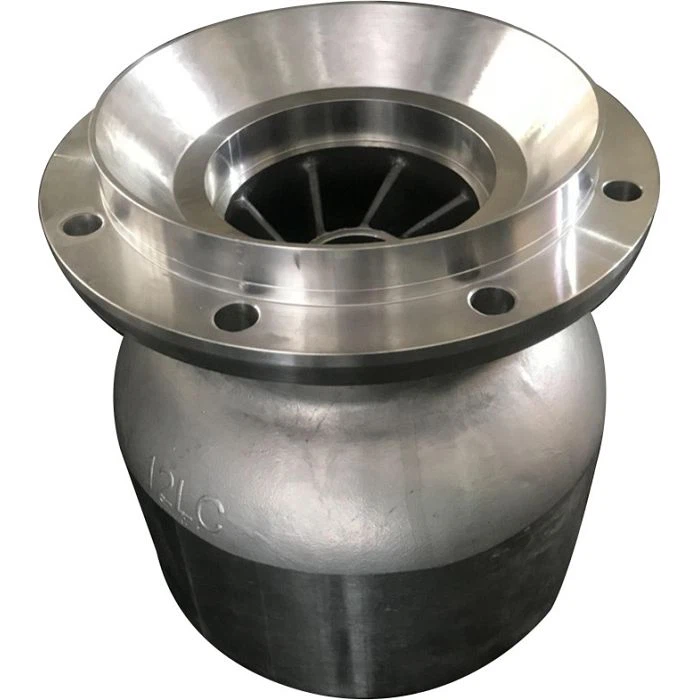
This characteristic makes sand casting a preferred choice for industries that require large ductile iron parts, such as the construction, mining, and power generation industries. For instance, in the power generation industry, large ductile iron components like turbine housings and generator frames can be produced using sand casting.
4. Good Surface Finish
Although the surface finish of sand - cast ductile iron parts may not be as smooth as those produced by some other processes, modern sand casting techniques can achieve a reasonably good surface finish. The use of high - quality sand and advanced molding techniques can help reduce surface roughness and improve the overall appearance of the castings.
The surface finish of sand - cast ductile iron parts can be further enhanced through post - casting operations such as machining, grinding, and polishing. This allows the parts to meet the aesthetic and functional requirements of different applications. For example, in the production of Stainless Steel Pump Casting, a good surface finish is essential to ensure proper sealing and efficient fluid flow.
5. Material Properties Retention
Sand casting for ductile iron can effectively retain the desirable material properties of ductile iron. During the casting process, the cooling rate of the molten iron can be controlled to a certain extent, which helps in achieving the desired microstructure and mechanical properties.
Ductile iron has a unique graphite structure in the form of nodules, which gives it its excellent mechanical properties. Sand casting allows for the formation of this nodular graphite structure, ensuring that the castings have high strength, good ductility, and impact resistance. This makes sand - cast ductile iron components suitable for a wide range of applications where these properties are crucial, such as in automotive and machinery parts.
6. Environmental Friendliness
Sand casting is relatively environmentally friendly compared to some other manufacturing processes. The sand used in sand casting can be recycled and reused multiple times, reducing the consumption of raw materials. Additionally, the energy consumption in sand casting is relatively low compared to processes like forging or machining large - sized parts.
The use of water - based binders in sand casting also reduces the emission of harmful chemicals and pollutants. This makes sand casting a more sustainable option for producing ductile iron components, which is in line with the growing environmental awareness in the manufacturing industry.
7. Ease of Modification and Repair
Sand - cast ductile iron parts are relatively easy to modify and repair. If a design change is required, the pattern can be easily adjusted, and new castings can be produced with the modified design. In case of any defects or damage in the castings, they can often be repaired using welding or other repair techniques.
This ease of modification and repair reduces the overall cost and time associated with product development and maintenance. For example, if a pump manufacturer needs to make a minor design change to a Wear Resistant Pump Parts, sand casting allows for quick implementation of the change without significant additional costs.
Contact for Purchase and Negotiation
If you are interested in our ductile iron casting products, especially those with the unique characteristics of sand casting mentioned above, such as Wear Resistant Pump Parts, Cast Iron Casting, and Stainless Steel Pump Casting, we welcome you to contact us for purchase and negotiation. We have a professional team that can provide you with detailed product information, customized solutions, and competitive prices. We look forward to establishing a long - term and mutually beneficial cooperation with you.
References
- Campbell, J. (2003). Castings. Butterworth - Heinemann.
- Flemings, M. C. (1974). Solidification Processing. McGraw - Hill.
-ASM Handbook Volume 15: Casting. ASM International.