Hey there! As a supplier of pump impellers, I've seen firsthand how important it is to keep these parts in top - notch condition. A worn - out pump impeller can lead to all sorts of problems, like reduced pump efficiency, increased energy consumption, and even system breakdowns. So, today I'm gonna share some tips on how to reduce the wear of a pump impeller.
1. Choose the Right Material
The material of the pump impeller plays a huge role in its wear resistance. Different materials have different properties, and choosing the right one for your specific application is crucial.
-
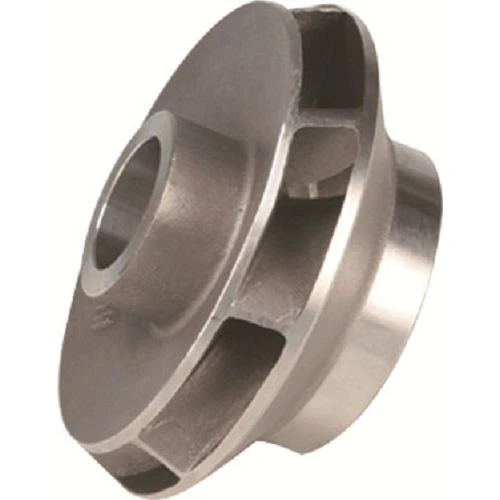
Cast Iron Pump Impeller: Cast iron is a common and cost - effective choice. It has good strength and is suitable for many general - purpose applications. If you're looking for a reliable and affordable option, you can check out our Cast Iron Pump Impeller. It can handle a variety of fluids and operating conditions, but it may not be the best for highly corrosive or abrasive environments.
-
Stainless Steel Pump Impeller: Stainless steel is known for its excellent corrosion resistance. If your pump is dealing with corrosive fluids like acids or saltwater, a Stainless Steel Pump Impeller is a great choice. It can withstand harsh chemical environments and has a longer lifespan compared to cast iron in such conditions.
-
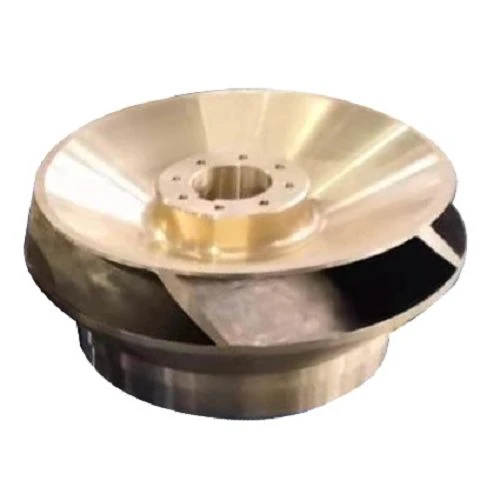
Bronze Pump Impeller: Bronze is another material with good corrosion resistance and is also relatively soft, which can reduce the impact of solid particles in the fluid. For applications where there are small amounts of abrasives in the fluid, a Bronze Pump Impeller can be a smart pick.
2. Control the Fluid Quality
The quality of the fluid that the pump is handling has a direct impact on the wear of the impeller.
-
Filter the Fluid: Installing a good filtration system can remove solid particles from the fluid before it enters the pump. Solid particles, such as sand, dirt, or metal shavings, can cause abrasion on the impeller surface. A fine - mesh filter can trap these particles and prevent them from reaching the impeller. For example, if you're pumping water from a well that may contain sediment, a sediment filter can be very effective.
-
Monitor the Chemical Composition: If the fluid has a high concentration of corrosive chemicals, it can eat away at the impeller. Regularly test the chemical composition of the fluid and take appropriate measures. You might need to adjust the pH level of the fluid or add corrosion inhibitors to protect the impeller.
3. Optimize the Operating Conditions
Running the pump under the right conditions can significantly reduce impeller wear.
-
Maintain the Right Flow Rate: Operating the pump at the recommended flow rate is essential. If the flow rate is too high, the impeller may experience excessive stress and cavitation. Cavitation occurs when the pressure in the fluid drops below the vapor pressure, causing bubbles to form and then collapse on the impeller surface. This can lead to pitting and erosion of the impeller. On the other hand, if the flow rate is too low, the impeller may not be operating efficiently, and it can also cause uneven wear.
-
Control the Temperature: High temperatures can affect the mechanical properties of the impeller material. If the fluid temperature is too high, it can make the material softer and more prone to wear. Make sure to keep the fluid temperature within the acceptable range for the impeller material. You may need to install a cooling system if necessary.
4. Regular Maintenance and Inspection
Regular maintenance is key to reducing impeller wear.
-
Lubrication: If the pump has bearings or other moving parts that are connected to the impeller, proper lubrication is crucial. Lubrication reduces friction and wear between the parts. Check the lubricant level regularly and replace it according to the manufacturer's recommendations.
-
Inspection: Periodically inspect the impeller for signs of wear, such as cracks, pitting, or deformation. You can use non - destructive testing methods like ultrasonic testing or visual inspection. If you notice any significant wear, it's better to replace the impeller before it causes more serious problems.
5. Proper Installation
Installing the pump and impeller correctly is the first step in ensuring long - term performance.
-
Alignment: Make sure the pump shaft and the motor shaft are properly aligned. Misalignment can cause uneven stress on the impeller and lead to premature wear. Use alignment tools to ensure accurate alignment during installation.
-
Sealing: A good seal around the impeller can prevent fluid leakage and also protect the impeller from external contaminants. Check the seals regularly and replace them if they are worn or damaged.
By following these tips, you can significantly reduce the wear of your pump impeller and extend its lifespan. This not only saves you money on replacement parts but also improves the overall efficiency of your pumping system.
If you're in the market for a high - quality pump impeller or need more advice on reducing impeller wear, don't hesitate to reach out to us. We're here to help you find the best solution for your specific needs.
References
- "Pump Handbook" by Igor J. Karassik et al.
- "Centrifugal Pumps: Design and Application" by Heinz P. Bloch and Fred K. Geitner.