As a seasoned supplier of sea water pumps, I've spent years delving into the intricacies of these essential pieces of equipment. One of the most common questions I encounter from customers is about the differences between single - stage and multi - stage sea water pumps. In this blog post, I'll explore these differences in detail, shedding light on their unique features, advantages, and ideal applications.
1. Basic Working Principles
Single - Stage Sea Water Pumps
A single - stage sea water pump operates with a single impeller. The impeller rotates at high speed, creating a centrifugal force that draws in sea water at the center of the impeller and then throws it outwards through the pump's discharge outlet. This simple yet effective mechanism is suitable for a wide range of applications where relatively low to moderate pressure is required. For instance, in small - scale desalination plants that operate at a low capacity, a single - stage pump can efficiently move sea water through the initial stages of the desalination process.
Multi - Stage Sea Water Pumps
Multi - stage sea water pumps, on the other hand, consist of multiple impellers stacked in series. As the sea water passes through each impeller, it gains additional pressure. This sequential pressure increase allows multi - stage pumps to generate much higher pressures compared to single - stage pumps. The water enters the first impeller, is pressurized, and then flows into the next impeller for further pressure buildup. These pumps are commonly used in large - scale industrial applications where high - pressure water delivery is essential.
2. Pressure and Head Capabilities
Single - Stage Pumps
Single - stage sea water pumps typically have a limited pressure and head capacity. The maximum head they can achieve is usually in the range of 10 - 100 meters, depending on the pump's design and size. They are well - suited for applications that do not require high - pressure water supply, such as small marinas where water needs to be circulated for basic cooling or cleaning purposes. Since they operate with a single impeller, the energy transfer process is relatively straightforward, but the pressure buildup is not as significant as in multi - stage pumps.
Multi - Stage Pumps
Multi - stage pumps are designed to handle high - pressure requirements. They can generate heads ranging from several hundred meters to over a thousand meters. This makes them ideal for deep - sea applications, such as offshore oil rigs where sea water needs to be pumped from great depths or for long - distance water transfer in large - scale water treatment facilities. The ability to build up high pressure by using multiple impellers allows multi - stage pumps to overcome significant resistance in the pipeline system.
3. Efficiency and Energy Consumption
Single - Stage Pumps
Single - stage sea water pumps are generally more energy - efficient when operating at their optimal conditions, which are usually low - to - medium pressure applications. Since they have fewer moving parts (only one impeller), there is less mechanical friction, resulting in lower energy losses. For small - scale operations, using a single - stage pump can lead to cost savings in the long run due to reduced energy consumption. However, if a single - stage pump is forced to operate at a pressure higher than its design capacity, its efficiency will drop significantly, and it may consume more energy.
Multi - Stage Pumps
In high - pressure applications, multi - stage pumps tend to be more efficient than single - stage pumps. They can achieve the required high pressure without overworking a single impeller. By distributing the pressure - building process across multiple impellers, each impeller can operate at a more optimal speed and pressure range, resulting in better overall efficiency. However, multi - stage pumps are more complex and have more moving parts, which means they may require more maintenance and have a higher initial investment cost.
4. Size and Installation
Single - Stage Pumps
Single - stage sea water pumps are typically smaller and more compact than multi - stage pumps. Their simpler design allows for easier installation, especially in limited - space environments. They are often used in portable or small - scale systems where space is a constraint, such as in some types of small fishing vessels or coastal aquaculture facilities. The smaller size also makes them easier to transport and relocate if needed.
Multi - Stage Pumps
Multi - stage pumps are larger and more complex due to the multiple impellers and additional components. Their installation requires more space and a more elaborate setup, including proper alignment and support structures. They are commonly found in large industrial plants, power stations, and large - scale desalination facilities where there is enough space to accommodate their size and where high - pressure water delivery is a necessity.
5. Applications in Different Industries
Single - Stage Pumps
- Marine Industry: In small boats and yachts, single - stage pumps are used for bilge pumping to remove water that has accumulated in the boat's hull. They are also used for fresh water circulation systems on board.
- Aquaculture: In small - scale fish farms and shrimp ponds, single - stage pumps are used for water circulation, aeration, and feeding systems. They can efficiently move water at a relatively low pressure to maintain a healthy environment for the aquatic organisms.
- Small - scale Desalination: As mentioned earlier, single - stage pumps can be used in small - scale desalination plants for the initial intake and pre - treatment of sea water.
Multi - Stage Pumps
- Offshore Oil and Gas: Offshore oil rigs require high - pressure sea water pumps for various operations, such as cooling systems, fire - fighting systems, and water injection for enhanced oil recovery. Multi - stage pumps are well - suited for these applications due to their high - pressure capabilities.
- Large - scale Desalination: In large - scale desalination plants, multi - stage pumps are used to pressurize the sea water to the high levels required for reverse osmosis processes. They can efficiently move large volumes of water through the desalination membranes, producing large amounts of fresh water.
- Power Generation: Power plants, especially those using sea water for cooling, often rely on multi - stage pumps to circulate large volumes of water at high pressure. These pumps ensure efficient heat transfer and cooling of the power generation equipment.
6. Product Recommendations
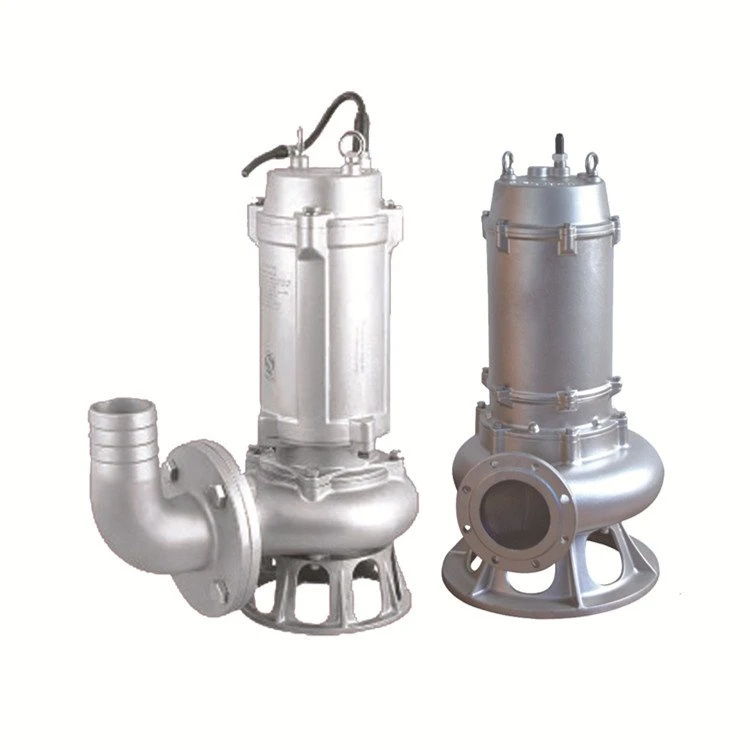
If you are in the market for a sea water pump, and your requirements involve low - to - medium pressure applications, a single - stage pump may be the right choice for you. We offer a range of high - quality Submersible Sea Water Pump that are designed for single - stage operation. These pumps are reliable, energy - efficient, and easy to install, making them suitable for a variety of small - scale applications.
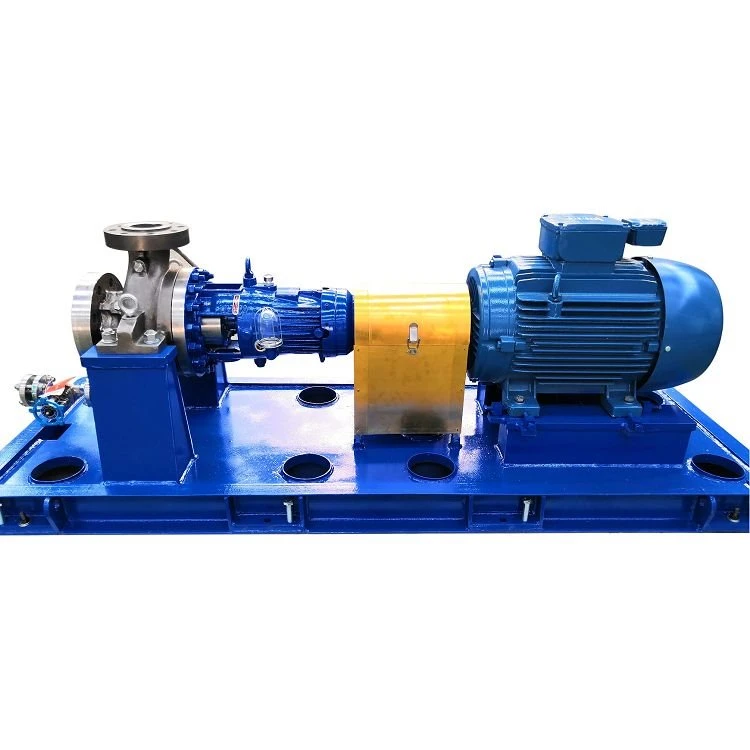
On the other hand, if you need a pump for high - pressure applications, our Centrifugal Sea Water Pump with multi - stage capabilities is an excellent option. These pumps are built to withstand the harsh conditions of sea water and can provide the high - pressure performance required for large - scale industrial operations.
7. Contact for Purchase
If you are considering purchasing a sea water pump, whether it's a single - stage or multi - stage pump, we are here to help. Our team of experts can provide you with detailed product information, technical support, and customized solutions based on your specific needs. Don't hesitate to reach out to us to start a discussion about your sea water pump requirements. We are committed to providing you with the best products and services in the industry.
References
- "Pump Handbook" by Igor J. Karassik, Joseph P. Messina, Paul Cooper, and Charles C. Heald.
- "Centrifugal Pumps: Design and Application" by Heinz P. Bloch and Allan R. Budris.