Pump impellers are crucial components in various pumping systems, responsible for converting mechanical energy into hydraulic energy to move fluids. However, over time, the vanes on a pump impeller can become damaged due to factors such as erosion, cavitation, or foreign object impact. As a trusted Pump Impeller supplier, we understand the importance of maintaining the efficiency and performance of your pump. In this blog, we will guide you through the process of repairing a damaged vane on a pump impeller.
Step 1: Inspection and Assessment
The first step in repairing a damaged vane is to conduct a thorough inspection of the impeller. Carefully examine the vane for signs of damage, such as cracks, chips, or wear. Determine the extent of the damage and whether it can be repaired or if the vane needs to be replaced entirely.
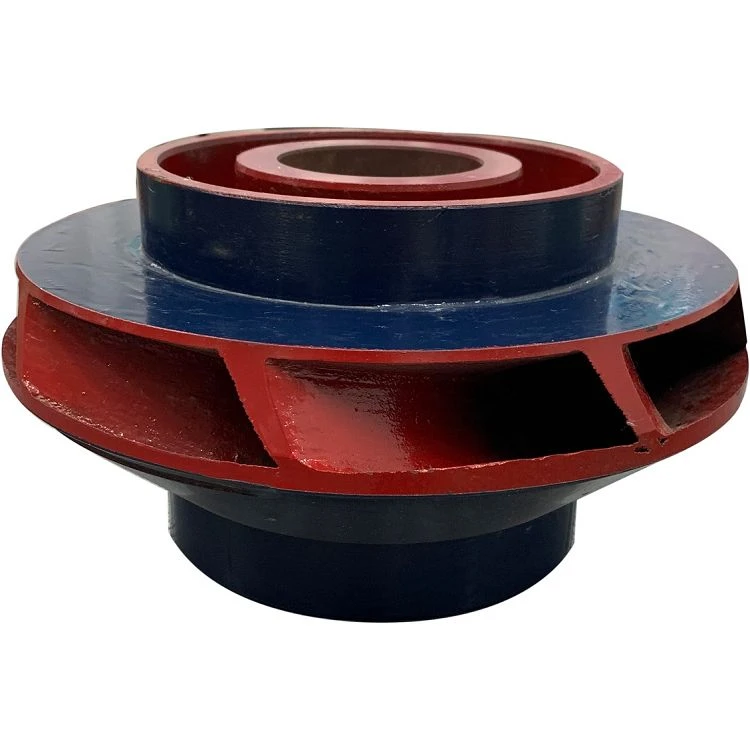
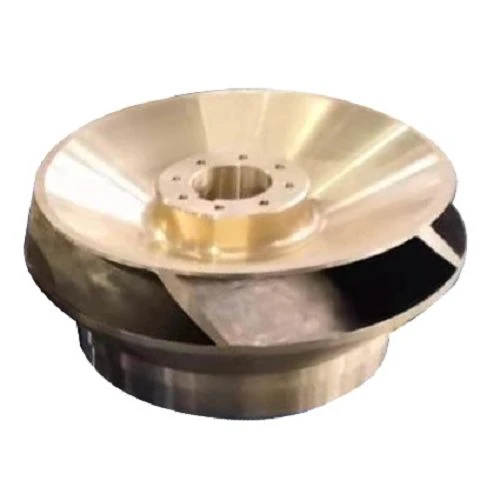
It's important to note that different materials are used for pump impellers, including Stainless Steel Pump Impeller, Bronze Pump Impeller, and Cast Iron Pump Impeller. The repair method may vary depending on the material of the impeller.
Step 2: Cleaning the Impeller
Before starting the repair process, clean the impeller thoroughly to remove any dirt, debris, or corrosion. Use a suitable cleaning agent and a brush to clean the surface of the impeller, paying special attention to the damaged area. This will ensure better adhesion of the repair materials and a more effective repair.
Step 3: Preparing the Repair Materials
Depending on the type and extent of the damage, you may need different repair materials. For minor cracks or chips, epoxy resin can be a suitable option. Epoxy resin is strong, durable, and can bond well with most impeller materials. Make sure to choose an epoxy resin that is compatible with the material of your impeller.
If the damage is more severe, you may need to use welding or brazing techniques. In this case, you will need the appropriate welding equipment and filler materials. It's important to have the necessary skills and experience in welding or brazing to ensure a proper repair.
Step 4: Repairing Minor Damage with Epoxy Resin
If the damage to the vane is minor, such as small cracks or chips, you can repair it using epoxy resin. Here's how:
- Mix the epoxy resin: Follow the manufacturer's instructions to mix the epoxy resin and hardener thoroughly. Make sure to mix the correct ratio to ensure proper curing.
- Apply the epoxy resin: Use a small brush or a spatula to apply the epoxy resin to the damaged area. Make sure to fill the cracks or chips completely and smooth the surface of the epoxy resin.
- Let the epoxy resin cure: Allow the epoxy resin to cure according to the manufacturer's instructions. This may take several hours or even days, depending on the type of epoxy resin used.
- Sand the repaired area: Once the epoxy resin has cured, sand the repaired area to smooth the surface and match it with the surrounding vane. Use fine-grit sandpaper to avoid damaging the impeller.
Step 5: Welding or Brazing for Severe Damage
If the damage to the vane is severe, such as large cracks or missing pieces, welding or brazing may be required. Here's a general overview of the process:
- Prepare the welding or brazing equipment: Set up the welding or brazing equipment according to the manufacturer's instructions. Make sure to use the appropriate welding or brazing rod for the material of the impeller.
- Clean the damaged area: Use a wire brush or a grinder to clean the damaged area and remove any dirt, debris, or corrosion. This will ensure better adhesion of the filler material.
- Weld or braze the damaged area: Use the welding or brazing equipment to join the damaged parts of the vane. Make sure to follow the proper welding or brazing techniques to ensure a strong and durable repair.
- Finish the repaired area: Once the welding or brazing is complete, use a grinder or a file to smooth the surface of the repaired area. Make sure to match the shape and contour of the surrounding vane.
Step 6: Balancing the Impeller
After repairing the damaged vane, it's important to balance the impeller to ensure smooth operation and prevent vibration. An unbalanced impeller can cause excessive wear on the pump bearings and other components, leading to premature failure.
You can use a balancing machine to balance the impeller. Follow the manufacturer's instructions to set up the balancing machine and measure the imbalance of the impeller. Then, add or remove weight from the impeller to correct the imbalance.
Step 7: Testing the Pump
Once the impeller has been repaired and balanced, it's time to test the pump to ensure that it is operating properly. Start the pump and monitor its performance, including the flow rate, pressure, and vibration. If you notice any issues, such as abnormal noise or vibration, stop the pump immediately and check for any problems.
Conclusion
Repairing a damaged vane on a pump impeller can be a challenging task, but with the right tools, materials, and skills, it can be done effectively. As a Pump Impeller supplier, we are committed to providing high-quality impellers and helping our customers maintain the efficiency and performance of their pumps.
If you have any questions or need further assistance with repairing a damaged vane on a pump impeller, please feel free to contact us. We have a team of experts who can provide you with professional advice and guidance. We also offer a wide range of Stainless Steel Pump Impeller, Bronze Pump Impeller, and Cast Iron Pump Impeller for various applications. Contact us today to discuss your requirements and explore our product offerings.
References
- "Pump Handbook" by Igor J. Karassik, Joseph P. Messina, Paul Cooper, and Charles C. Heald
- "Mechanical Engineering Handbook" by Myer Kutz
- Manufacturer's instructions for epoxy resin, welding equipment, and balancing machines