Retrofitting an old slurry pump can be a cost - effective and efficient way to extend its service life and improve its performance. As a slurry pump supplier, I have witnessed firsthand the benefits that retrofitting can bring to both small - scale and large - scale operations. In this blog, I will share some key steps and considerations on how to retrofit an old slurry pump.
Step 1: Assessment of the Existing Pump
The first step in retrofitting an old slurry pump is to conduct a thorough assessment. You need to examine the physical condition of the pump, including the casing, impeller, shaft, and bearings. Look for signs of wear, corrosion, and damage. Measure the dimensions of critical components to ensure they meet the required specifications.
Check the pump's performance data, such as flow rate, head, and efficiency. Compare these values with the original design specifications. This will help you identify any performance degradation. For instance, if the flow rate has significantly decreased, it could be due to wear on the impeller or blockages in the pump casing.
It is also essential to understand the operating conditions of the pump. Consider factors like the type of slurry being pumped (e.g., abrasive, corrosive), the temperature, and the pressure. These conditions will influence the choice of materials and components for the retrofit.
Step 2: Research and Select Appropriate Components
Based on the assessment results, you can start researching and selecting the appropriate components for the retrofit. When it comes to the impeller, for example, if the slurry is highly abrasive, you might want to choose an impeller made of a more wear - resistant material such as high - chrome alloy. The Slurry Pump we supply offers a variety of impeller options to suit different operating conditions.
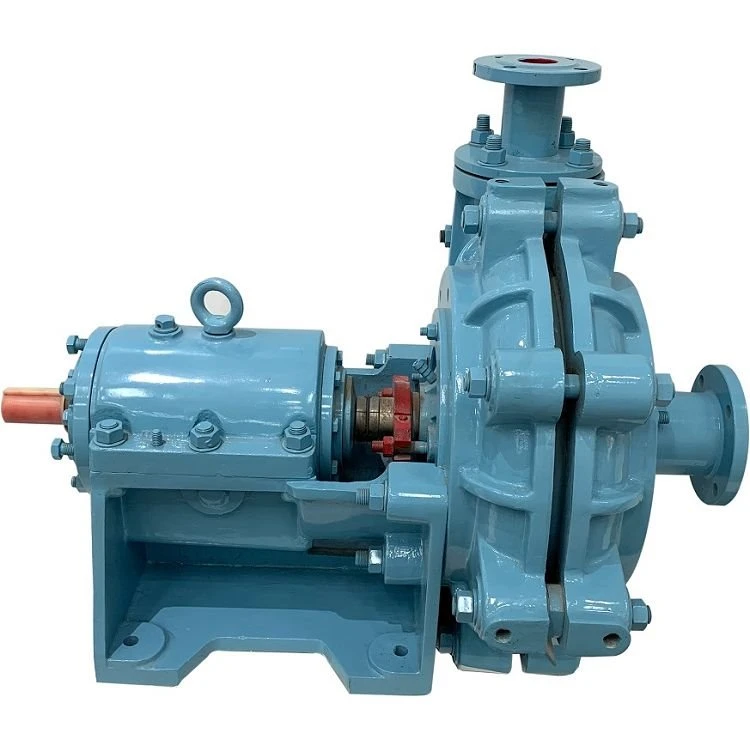
For the pump casing, a corrosion - resistant material might be necessary if the slurry is corrosive. Some modern casings are designed with a double - layer structure, where the inner layer is made of a wear - resistant material and the outer layer provides structural support.
The shaft and bearings are also critical components. Ensure that the shaft has sufficient strength and rigidity to handle the load. High - quality bearings can reduce friction and vibration, improving the overall efficiency and reliability of the pump. You may consider upgrading to more advanced bearing technologies if the existing ones are frequently failing.
Step 3: Disassembly of the Old Pump
Once you have all the necessary components, it's time to disassemble the old pump. Before starting, make sure to follow all safety procedures. Shut off the power supply to the pump and relieve any pressure in the system.
Use appropriate tools to carefully remove the pump cover, impeller, and other components. Label each part clearly to ensure easy reassembly. Inspect each component again during the disassembly process to confirm the initial assessment findings. If you find any additional damage or wear, this is the time to address it.
Step 4: Installation of New Components
When installing the new components, follow the manufacturer's instructions carefully. Start with the impeller. Ensure that it is properly aligned with the shaft and that the clearance between the impeller and the casing is within the specified range. Incorrect alignment can lead to reduced efficiency and increased wear.
Install the new pump casing, making sure all the gaskets are in place and properly sealed. Tighten the bolts to the recommended torque to prevent leaks.
Replace the shaft and bearings, if necessary. Lubricate the bearings according to the manufacturer's guidelines. Proper lubrication is crucial for the smooth operation and long - term performance of the bearings.
Step 5: Testing and Commissioning
After the installation is complete, it's time to test the pump. Fill the pump with the appropriate fluid (usually water for initial testing) and start the pump. Check for any leaks, abnormal noises, or vibrations. Monitor the flow rate, head, and power consumption. Compare these values with the expected performance of the retrofitted pump.
If the pump is not performing as expected, troubleshoot the issue. It could be due to a misaligned component, a blockage in the system, or an incorrect setting. Make the necessary adjustments and retest the pump until it meets the desired performance criteria.
Step 6: Regular Maintenance and Monitoring
Once the pump is successfully commissioned, establish a regular maintenance and monitoring program. This includes regular inspections of the pump components, checking the lubrication levels, and monitoring the performance parameters.
Regularly clean the pump to prevent the build - up of slurry deposits, which can affect the pump's efficiency. Replace worn - out components in a timely manner to avoid major breakdowns.
Special Considerations for Different Types of Slurry Pumps
End Suction Centrifugal Pump
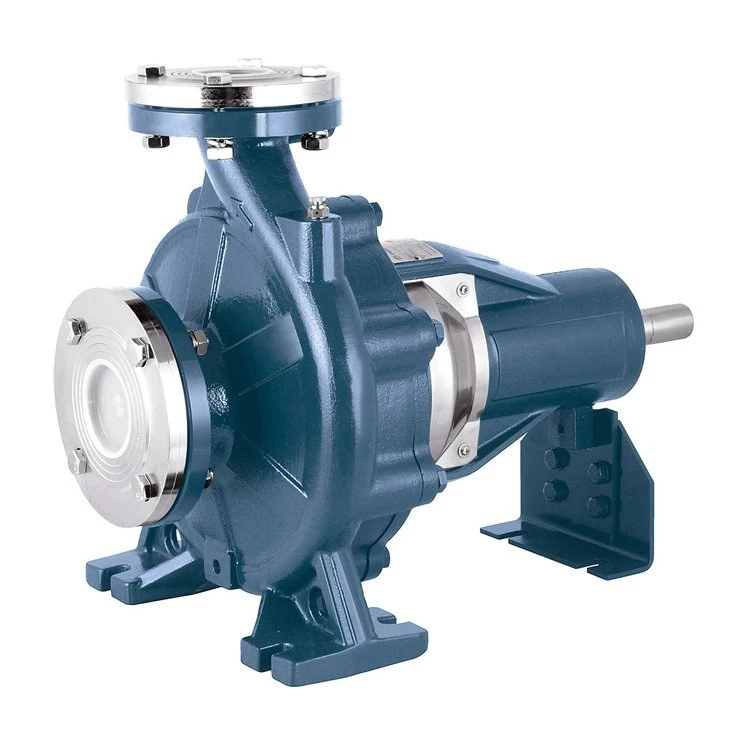
The End Suction Centrifugal Pump is a common type of slurry pump. When retrofitting this type of pump, pay special attention to the suction and discharge connections. Ensure that they are properly sealed to prevent leaks. The impeller design is also crucial for the performance of an end - suction centrifugal pump. You may need to select an impeller with the appropriate number of vanes and shape to optimize the flow rate and head.
Mine Multistage Centrifugal Pump
For Mine Multistage Centrifugal Pump, retrofitting can be more complex due to the multiple stages. Each stage needs to be carefully inspected and potentially upgraded. The inter - stage seals are critical to prevent leakage between stages. When replacing components, make sure they are compatible with the existing pump design and that the alignment between the stages is maintained.
Conclusion
Retrofitting an old slurry pump is a viable solution to improve its performance, extend its service life, and save costs. By following the steps outlined in this blog, you can ensure a successful retrofit. As a slurry pump supplier, we are committed to providing high - quality components and technical support for your retrofit projects. If you are considering retrofitting your old slurry pump or have any questions about our products, please feel free to contact us for procurement and further discussions.
References
- Perry, R. H., & Green, D. W. (1997). Perry's Chemical Engineers' Handbook. McGraw - Hill.
- Karassik, I. J., Messina, J. P., Cooper, P. T., & Heald, C. C. (2008). Pump Handbook. McGraw - Hill.