Selecting the right pump impeller for high-pressure applications can be a real head-scratcher. But don't worry, as a pump impeller supplier, I've got the lowdown on how to make the best choice. In this blog, I'll walk you through the key factors you need to consider and give you some tips to ensure you pick the perfect impeller for your high-pressure needs.
Understanding High-Pressure Applications
First off, let's talk about what we mean by high-pressure applications. These are situations where the pump needs to generate a significant amount of pressure to move fluid through a system. High-pressure applications can be found in a variety of industries, such as oil and gas, water treatment, and manufacturing.
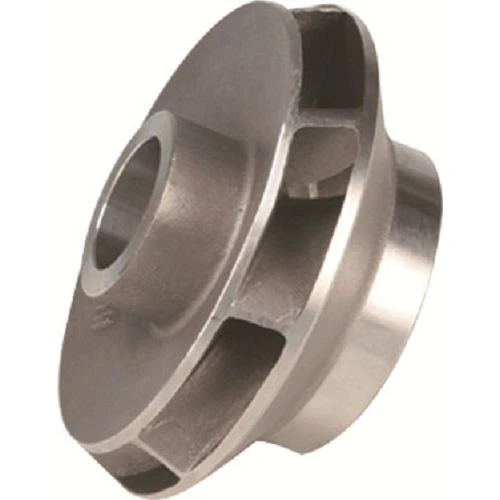
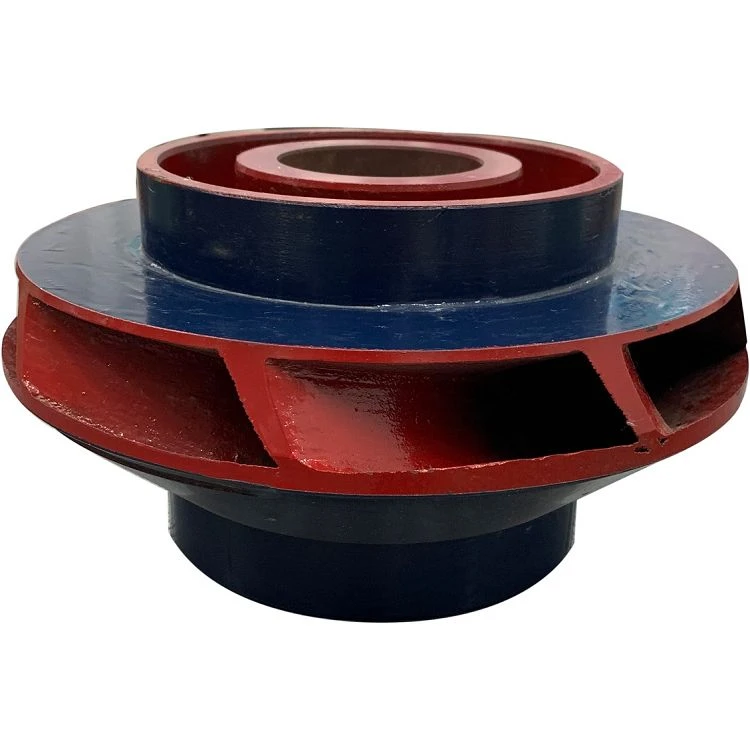
In these applications, the pump impeller plays a crucial role. It's responsible for converting the mechanical energy of the pump into kinetic energy, which then creates the pressure needed to move the fluid. So, choosing the right impeller is essential for the efficiency and performance of the pump.
Key Factors to Consider
1. Material
The material of the pump impeller is a critical factor, especially in high-pressure applications. Different materials have different properties, such as strength, corrosion resistance, and wear resistance.
-
Bronze Pump Impeller: Bronze Pump Impeller is a popular choice for high-pressure applications. Bronze is known for its good corrosion resistance, which makes it suitable for use in water and some chemical applications. It also has relatively high strength, which can withstand the forces generated in high-pressure systems.
-
Stainless Steel Pump Impeller: Stainless Steel Pump Impeller is another excellent option. Stainless steel offers superior corrosion resistance, especially in harsh environments. It's also very strong and can handle high pressures without deforming. This makes it ideal for applications where the fluid being pumped is corrosive or where the pump operates in a corrosive atmosphere.
-
Cast Iron Pump Impeller: Cast Iron Pump Impeller is a more cost-effective choice. Cast iron has good strength and is suitable for many general high-pressure applications. However, it's not as corrosion-resistant as bronze or stainless steel, so it may not be the best choice for applications where the fluid is corrosive.
2. Design
The design of the impeller can significantly affect its performance in high-pressure applications. There are several types of impeller designs, including open, semi-open, and closed impellers.
-
Open Impellers: Open impellers have vanes that are exposed on one side. They are relatively simple in design and are often used in applications where the fluid contains solids or where the pump needs to handle a large volume of fluid. However, they may not be as efficient in generating high pressures as closed impellers.
-
Semi-Open Impellers: Semi-open impellers have a shroud on one side of the vanes. This design provides better efficiency than open impellers and can handle some solids in the fluid. They are a good compromise between open and closed impellers and are suitable for many high-pressure applications.
-
Closed Impellers: Closed impellers have shrouds on both sides of the vanes. This design provides the highest efficiency in generating pressure and is often used in high-pressure applications where the fluid is clean and free of solids. However, they are more prone to clogging if the fluid contains solids.
3. Size and Speed
The size and speed of the impeller are also important factors. The size of the impeller is usually determined by the flow rate and pressure requirements of the application. A larger impeller can generally generate more pressure and flow, but it also requires more power to operate.
The speed of the impeller is related to the rotational speed of the pump. A higher speed impeller can generate more pressure, but it also increases the wear and tear on the impeller and the pump. It's important to find the right balance between size, speed, and power consumption to ensure optimal performance.
4. Compatibility with the Pump
Finally, the impeller must be compatible with the pump. This includes factors such as the shaft diameter, the keyway size, and the mounting arrangement. Using an incompatible impeller can lead to problems such as vibration, noise, and premature wear of the pump components.
Tips for Selecting the Right Impeller
-
Understand Your Application: Before you start looking for an impeller, make sure you have a clear understanding of your application. Know the flow rate, pressure requirements, the type of fluid being pumped, and any other relevant factors. This will help you narrow down your choices and select the most suitable impeller.
-
Consult with an Expert: If you're not sure which impeller is right for your application, don't hesitate to consult with an expert. As a pump impeller supplier, I have the knowledge and experience to help you make the best selection. I can provide you with detailed information about different impeller options and their suitability for your specific needs.
-
Consider the Long-Term Costs: When selecting an impeller, it's important to consider the long-term costs. A more expensive impeller may have a higher upfront cost, but it may also offer better performance, longer lifespan, and lower maintenance costs in the long run.
Conclusion
Selecting a pump impeller for high-pressure applications is a complex process, but by considering the factors mentioned above, you can make an informed decision. The material, design, size, speed, and compatibility with the pump are all important considerations.
As a pump impeller supplier, I'm here to help you find the perfect impeller for your high-pressure needs. Whether you need a Bronze Pump Impeller, Stainless Steel Pump Impeller, or Cast Iron Pump Impeller, I have a wide range of options to choose from.
If you're interested in learning more or discussing your specific requirements, feel free to reach out. I'm always happy to have a chat and help you with your impeller selection. Let's work together to ensure your high-pressure pump system operates at its best.
References
- Pump Handbook, Karassik et al.
- Fluid Mechanics and Machinery, R. K. Bansal