Determining the optimal pouring temperature for pump casting is a critical process that directly impacts the quality, performance, and longevity of the final pump product. As a pump casting supplier, I understand the importance of this parameter and have accumulated a wealth of experience in this field. In this blog, I will share some key factors and methods to help you determine the optimal pouring temperature for pump casting.
Importance of Optimal Pouring Temperature
The pouring temperature plays a vital role in pump casting. If the temperature is too high, it can lead to several issues. Firstly, excessive heat can cause increased shrinkage porosity in the casting. This occurs because the molten metal cools and contracts at a faster rate, leaving voids in the structure. Secondly, high temperatures can accelerate the oxidation of the metal, resulting in the formation of oxide inclusions in the casting. These inclusions can weaken the mechanical properties of the pump and reduce its corrosion resistance.
On the other hand, if the pouring temperature is too low, the molten metal may not flow properly into all the cavities of the mold. This can lead to incomplete filling, resulting in casting defects such as misruns and cold shuts. Misruns occur when the metal solidifies before it can completely fill the mold, while cold shuts are formed when two streams of molten metal meet and do not fuse properly.
Factors Affecting Pouring Temperature
1. Material Type
Different materials have different melting points and fluidity characteristics, which directly influence the optimal pouring temperature. For example, Cast Iron Casting typically has a relatively high melting point compared to some other metals. The pouring temperature for cast iron usually ranges from 1350°C to 1450°C. This temperature range ensures that the molten cast iron has sufficient fluidity to fill the mold cavity completely while minimizing the formation of defects.
Stainless Steel Pump Casting requires a higher pouring temperature due to its higher melting point and lower fluidity. The optimal pouring temperature for stainless steel can be in the range of 1500°C to 1600°C. At this temperature, the stainless steel can flow smoothly and form a dense and homogeneous structure in the casting.
Ductile Iron Casting has a different set of requirements. It generally has a pouring temperature range of 1380°C to 1420°C. The addition of magnesium in ductile iron affects its solidification behavior, and the pouring temperature needs to be carefully controlled to ensure the proper formation of graphite nodules, which are essential for the mechanical properties of ductile iron.
2. Mold Design
The complexity of the mold design also affects the pouring temperature. A mold with intricate shapes, thin walls, or small passages requires a higher pouring temperature to ensure that the molten metal can flow into all the corners and details of the mold. For example, if a pump casting has a complex impeller design with narrow blades, a higher pouring temperature may be needed to ensure complete filling.
The thermal properties of the mold material also play a role. Some mold materials, such as sand molds, have relatively low thermal conductivity, which means they can absorb heat from the molten metal more slowly. In this case, a slightly higher pouring temperature may be required to compensate for the heat loss during the filling process.
3. Pouring System Design
The design of the pouring system, including the gating and risering system, can impact the pouring temperature. A well - designed pouring system can ensure a smooth and controlled flow of the molten metal into the mold. If the gating system is too restrictive, it can cause excessive turbulence and heat loss, which may require a higher pouring temperature to maintain the fluidity of the metal.
Risers are used to provide additional molten metal to compensate for shrinkage during solidification. The size and location of the risers can affect the heat distribution in the mold and the overall pouring temperature requirements. A properly sized and located riser can help to maintain a more uniform temperature in the casting and reduce the likelihood of shrinkage defects.
4. Environmental Conditions
The ambient temperature and humidity can also have an impact on the pouring temperature. In a cold environment, the molten metal will cool more quickly, so a higher pouring temperature may be necessary to ensure that it remains in a molten state long enough to fill the mold. High humidity can also affect the quality of the mold and the solidification process, which may require adjustments to the pouring temperature.
Methods for Determining the Optimal Pouring Temperature
1. Experimental Testing
One of the most reliable methods for determining the optimal pouring temperature is through experimental testing. This involves casting a series of test samples at different pouring temperatures and then evaluating the quality of the castings. The evaluation can include visual inspection for surface defects, non - destructive testing such as ultrasonic testing to detect internal defects, and mechanical testing to measure the strength and hardness of the castings.
For example, we can cast a set of pump impeller samples at temperatures ranging from the lower end of the expected range to the upper end. After casting, we can examine the samples for any signs of misruns, cold shuts, or shrinkage porosity. We can also measure the mechanical properties of the samples, such as tensile strength and elongation, to determine the temperature that results in the best combination of quality and performance.
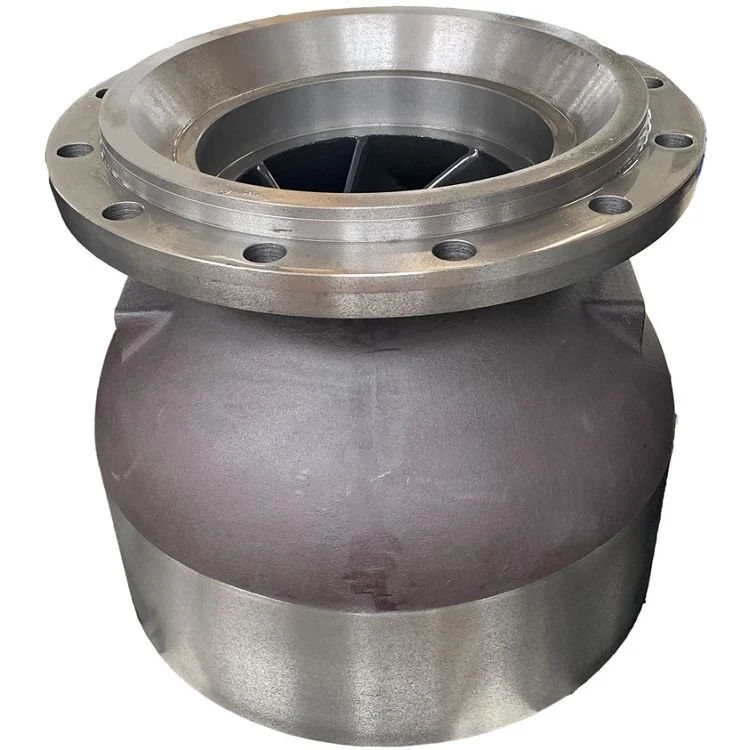
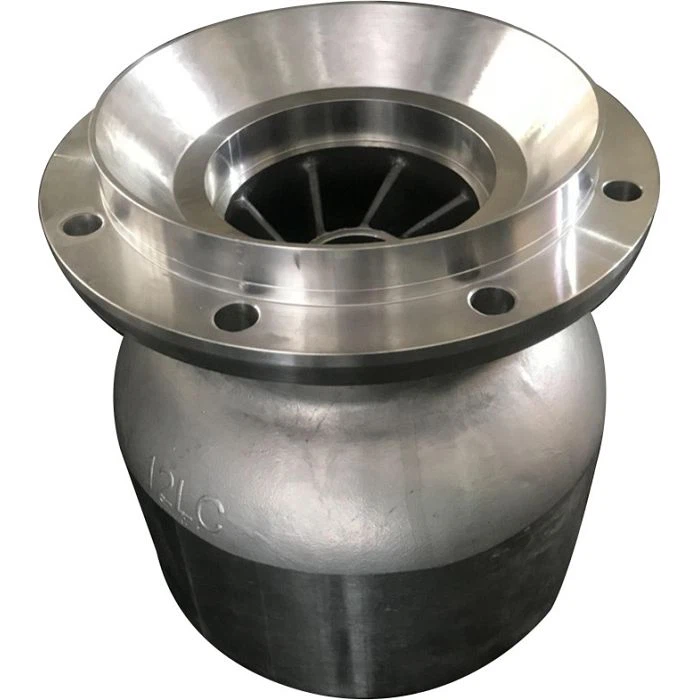
2. Computer Simulation
Computer simulation software can be a powerful tool for predicting the optimal pouring temperature. These software programs use mathematical models to simulate the flow and solidification of the molten metal in the mold. By inputting the material properties, mold design, and pouring system parameters, the software can calculate the temperature distribution, fluid flow patterns, and the formation of defects during the casting process.
For instance, we can use a simulation software to analyze the filling process of a pump casing mold. The software can show us how the molten metal flows through the gating system and into the mold cavity, and where potential problems such as air entrapment or incomplete filling may occur. Based on the simulation results, we can adjust the pouring temperature to optimize the casting process.
3. Industry Standards and Experience
Industry standards and the experience of the casting team can also provide valuable guidance in determining the optimal pouring temperature. Many industries have established standards and guidelines for casting different materials, which can serve as a starting point for determining the pouring temperature.
In addition, the experience of the foundry workers and engineers is invaluable. They have witnessed the effects of different pouring temperatures on the quality of the castings over time and can use their knowledge to make informed decisions. For example, an experienced foundryman may be able to recognize the signs of a poorly poured casting and adjust the pouring temperature accordingly based on past experience.
Monitoring and Controlling the Pouring Temperature
Once the optimal pouring temperature has been determined, it is essential to monitor and control the temperature during the casting process. This can be achieved through the use of temperature sensors. Thermocouples are commonly used to measure the temperature of the molten metal in the ladle and at the pouring nozzle.
The data from the temperature sensors can be transmitted to a control system, which can then adjust the heating or cooling equipment as needed to maintain the desired pouring temperature. For example, if the temperature of the molten metal drops below the optimal range, the control system can activate additional heating elements in the ladle to raise the temperature.
Conclusion
Determining the optimal pouring temperature for pump casting is a complex process that requires consideration of multiple factors, including material type, mold design, pouring system design, and environmental conditions. By using a combination of experimental testing, computer simulation, and industry experience, we can accurately determine the optimal pouring temperature and ensure the production of high - quality pump castings.
As a pump casting supplier, we are committed to providing our customers with the best - quality pump castings. We have the expertise and resources to determine the optimal pouring temperature for each specific casting project and to implement strict quality control measures during the casting process.
If you are in the market for high - quality pump castings and would like to discuss your specific requirements, we invite you to contact us for a procurement discussion. Our team of experts will be happy to assist you in finding the best solutions for your pump casting needs.
References
- Campbell, J. (2003). Castings. Butterworth - Heinemann.
- Dossett, J. H., & Reif, R. W. (2012). Manufacturing Processes and Materials for Engineers. Wiley.
- Flemings, M. C. (1974). Solidification Processing. McGraw - Hill.