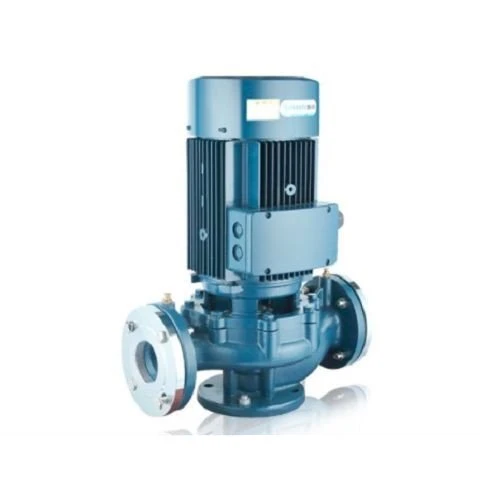
Selecting the right pipe diameter for a vertical in - line pump is a crucial decision that can significantly impact the pump's performance, energy efficiency, and overall system reliability. As a trusted supplier of Vertical In Line Pump, I understand the importance of this choice and aim to provide valuable insights to help you make an informed decision.
Understanding the Basics of Pipe Diameter in a Pump System
The pipe diameter in a pump system plays a fundamental role in determining the flow rate, pressure drop, and friction losses within the system. A pipe with an appropriate diameter ensures that the pump can deliver the required amount of fluid at the desired pressure without excessive energy consumption.
Flow Rate and Pipe Diameter
The flow rate of a fluid through a pipe is directly related to the pipe diameter. A larger pipe diameter allows for a higher flow rate with less resistance, while a smaller diameter restricts the flow and increases the velocity of the fluid. The relationship between flow rate (Q), pipe cross - sectional area (A), and fluid velocity (v) is given by the equation Q = A * v. When selecting the pipe diameter, it is essential to know the required flow rate of the system. This information can be obtained from process requirements, such as the amount of water needed for a cooling system or the volume of liquid to be transferred in a manufacturing process.
Pressure Drop and Friction Losses
As the fluid flows through the pipe, it experiences friction with the pipe walls, resulting in a pressure drop. The pressure drop is influenced by factors such as the pipe length, roughness of the pipe interior, fluid viscosity, and the pipe diameter. A smaller pipe diameter generally leads to higher fluid velocities, which in turn increase friction losses and pressure drop. Excessive pressure drop can cause the pump to work harder, leading to increased energy consumption and potential damage to the pump over time.
Factors to Consider When Selecting the Pipe Diameter
System Requirements
The first step in selecting the right pipe diameter is to understand the specific requirements of your system. This includes the desired flow rate, the pressure at which the fluid needs to be delivered, and the characteristics of the fluid being pumped. For example, if you are pumping a viscous fluid like oil, a larger pipe diameter may be required to reduce friction losses and ensure that the pump can maintain the required flow rate.
Pump Characteristics
The performance curve of the vertical in - line pump is an important factor to consider. The pump's curve shows the relationship between the flow rate and the head (pressure) that the pump can generate. When selecting the pipe diameter, you need to ensure that the system's head and flow rate requirements are within the pump's operating range. A pipe with an inappropriate diameter can cause the pump to operate outside its optimal range, leading to inefficiency and potential damage.
Cost and Installation Constraints
The cost of the piping system is another consideration. Larger diameter pipes are generally more expensive than smaller ones, both in terms of material and installation costs. However, the cost savings in energy consumption over the long term may offset the initial investment in larger pipes. Additionally, installation constraints such as space limitations and the layout of the system may affect the choice of pipe diameter.
Calculating the Optimal Pipe Diameter
There are several methods for calculating the optimal pipe diameter for a vertical in - line pump system. One common approach is to use the Darcy - Weisbach equation, which relates the pressure drop in a pipe to the fluid properties, pipe dimensions, and flow rate. The equation is given by:
ΔP = f * (L/D) * (ρ * v² / 2)
where ΔP is the pressure drop, f is the friction factor, L is the pipe length, D is the pipe diameter, ρ is the fluid density, and v is the fluid velocity.
The friction factor f depends on the Reynolds number (Re), which is a dimensionless quantity that characterizes the flow regime (laminar or turbulent) in the pipe. The Reynolds number is calculated as:
Re = (ρ * v * D) / μ
where μ is the dynamic viscosity of the fluid.
While these equations provide a theoretical basis for calculating the pipe diameter, in practice, engineers often use empirical methods and pump manufacturer's recommendations. Many pump manufacturers provide sizing charts or software tools that can help you select the appropriate pipe diameter based on the pump's performance and the system requirements.
Case Studies and Real - World Examples
Let's consider a case study of a water supply system using a vertical in - line pump. The system requires a flow rate of 100 m³/h and a head of 30 meters. Initially, a small - diameter pipe was installed, which led to high fluid velocities and significant pressure drop. As a result, the pump had to work harder to maintain the required flow rate, consuming more energy and causing premature wear and tear on the pump.
After consulting with our experts, the pipe was replaced with a larger - diameter pipe. The new pipe reduced the fluid velocity and friction losses, resulting in a lower pressure drop. The pump could now operate within its optimal range, leading to improved energy efficiency and reduced maintenance costs.
Additional Considerations: Compatibility with Other Pump Types
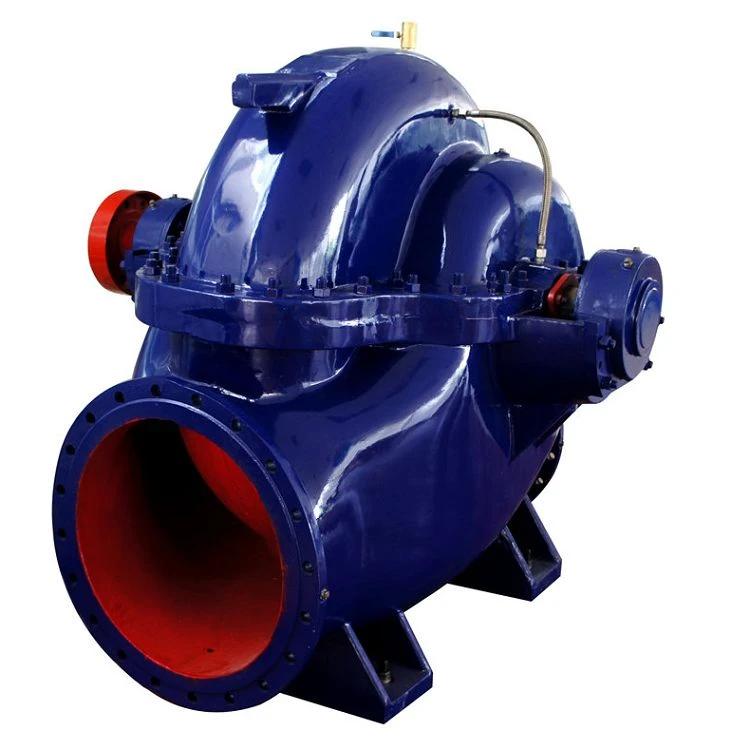
In some systems, vertical in - line pumps may be used in conjunction with other types of pumps, such as Slurry Pump or Horizontal Split Casing Centrifugal Pump. When selecting the pipe diameter for a vertical in - line pump in a multi - pump system, it is important to ensure compatibility with the other pumps. This includes considering the flow characteristics, pressure requirements, and the overall layout of the system.
Conclusion
Selecting the right pipe diameter for a vertical in - line pump is a complex but essential task. By considering factors such as system requirements, pump characteristics, cost, and installation constraints, you can make an informed decision that will optimize the performance and energy efficiency of your pump system. At our company, we are committed to providing high - quality vertical in - line pumps and expert advice to help you select the most suitable pipe diameter for your specific application. If you are in the process of designing a new pump system or looking to upgrade an existing one, we encourage you to contact us for a detailed consultation and to discuss your procurement needs. Our team of experienced engineers will be happy to assist you in making the right choice.
References
- Crane Company. "Flow of Fluids Through Valves, Fittings, and Pipe." Technical Paper No. 410.
- Streeter, V. L., and Wylie, E. B. "Fluid Mechanics." McGraw - Hill, 1985.
- Pump Handbook, Karassik, I. J. et al., 4th Edition, McGraw - Hill Professional.