Hey there! As a supplier of bronze pump impellers, I often get asked about the critical speed of these things. So, I thought I'd take some time to break it down for you.
First off, let's talk about what a pump impeller is. In simple terms, it's a rotating part within a pump that helps move fluid. Picture a high - speed spinning fan, but in a liquid environment. The impeller has blades, and as it rotates, it creates a centrifugal force. This force pushes the fluid outwards, forcing it to move through the pump and into the system where it's needed.
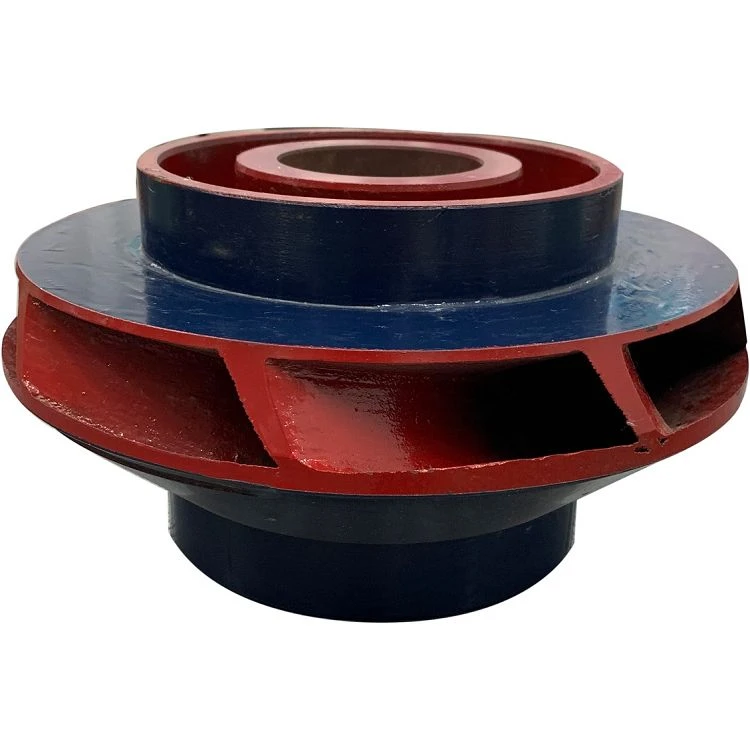
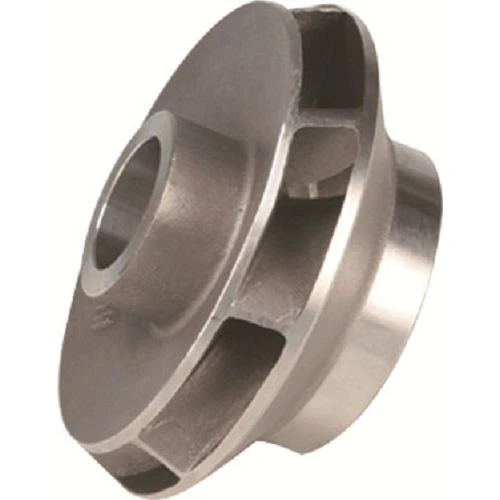
Now, let's get to the nitty - gritty of the critical speed. The critical speed of a bronze pump impeller is the rotational speed at which the impeller begins to vibrate excessively due to resonance. Resonance is like when you push a swing at just the right time to make it go higher and higher. In the case of an impeller, when it reaches its critical speed, the natural frequency of the impeller aligns with the frequency of the exciting forces (like the rotation frequency). This alignment causes the vibrations to amplify, and if left unchecked, it can lead to some serious problems.
Why does critical speed matter? Well, excessive vibrations are a nightmare for any pump. They can cause premature wear and tear on the impeller itself. The constant shaking can lead to cracks in the bronze material over time. And let me tell you, cracked impellers aren't just inefficient; they can also damage other parts of the pump, like the bearings, seals, and shafts. This, in turn, can cause the whole pump system to fail, leading to costly repairs and downtime.
So, how do we determine the critical speed of a bronze pump impeller? There are a few factors at play here. The design of the impeller is a big one. The shape of the blades, the diameter of the impeller, and how the mass is distributed all affect its natural frequency and, therefore, its critical speed. For example, a larger - diameter impeller might have a lower critical speed compared to a smaller one because it has more mass and a different distribution of that mass.
The material also matters. Bronze is known for its good strength and corrosion - resistance, but its properties also influence the critical speed. Different alloys of bronze can have slightly different levels of stiffness and density, which in turn affect how the impeller responds to the forces during rotation.
Another factor is the operating conditions. If the pump is operating in a system with a lot of turbulence or if there are sudden changes in the flow rate, this can affect the frequency of the exciting forces and potentially push the impeller closer to its critical speed.
Now, let's look at how this compares to other types of impellers. You might be wondering about Cast Iron Pump Impeller or Stainless Steel Pump Impeller. Cast iron impellers are heavier than bronze ones in general. This means they often have a different natural frequency and critical speed. They're also more brittle than bronze, which can make them more prone to cracking under excessive vibrations.
Stainless steel impellers, on the other hand, are known for their high strength and corrosion - resistance. They tend to be stiffer than bronze, which can result in a different critical speed characteristic. The stiffness might allow them to handle higher rotational speeds before reaching the critical point, but it also means that if the critical speed is exceeded, the vibrations can be more severe.
As a supplier of Bronze Pump Impeller, I know how important it is to get the right impeller for your specific application. You need to consider not only the critical speed but also the chemical compatibility of the fluid you're pumping, the required flow rate, and the pressure.
We work closely with our customers to understand their needs. We can analyze your system requirements and determine an appropriate impeller design with a safe operating range well below the critical speed. It's all about making sure your pump runs smoothly and efficiently for as long as possible.
If you're in the market for a bronze pump impeller, don't hesitate to reach out. We have a wide range of impellers in different sizes and designs to meet your needs. Whether you're dealing with a small - scale industrial application or a large - scale water treatment plant, we've got you covered.
Contact us to start a conversation about your pump impeller needs. We're here to help you find the perfect solution and ensure that your pump operates at its best.
References
- "Pump Handbook" by Igor J. Karassik et al.
- "Centrifugal Pumps: Design and Application" by Earl Logan