Hey there! As a slurry pump supplier, I've seen firsthand how important it is to store these pumps properly when they're not in use. Slurry pumps are tough machines, but they need a little TLC during downtime to keep them in top shape. In this blog, I'll share some tips on how to store a slurry pump effectively.
1. Clean the Pump Thoroughly
Before you even think about storing your slurry pump, you've got to clean it up. Slurry contains all sorts of abrasive materials, and if you leave it sitting in the pump, it can cause corrosion and wear over time.
- Flush the Pump: Start by running clean water through the pump for a good while. This will help remove most of the slurry from the inside. Make sure to run the water through all the passages, including the impeller and volute.
- Disassemble and Clean: If possible, disassemble the pump and clean each part separately. Use a soft brush to scrub away any stubborn deposits. Pay special attention to the seals and gaskets, as these can get clogged with debris.
2. Protect Against Corrosion
Corrosion is the enemy of any metal equipment, and slurry pumps are no exception. To prevent corrosion during storage, you need to take some precautions.
- Apply a Corrosion Inhibitor: There are plenty of corrosion inhibitors available on the market. Choose one that's suitable for the materials used in your pump. Apply it to all the metal surfaces, including the casing, impeller, and shafts.
- Keep the Pump Dry: Moisture is a major cause of corrosion. Store the pump in a dry place, and if possible, use a dehumidifier to keep the humidity levels low.
3. Lubricate Moving Parts
The moving parts of a slurry pump, such as the bearings and seals, need to be lubricated to prevent rust and ensure smooth operation when the pump is put back into use.
- Use the Right Lubricant: Check the manufacturer's recommendations for the type of lubricant to use. Apply the lubricant to all the moving parts according to the specified intervals.
- Seal the Lubricated Parts: After lubricating the parts, make sure to seal them properly to prevent the lubricant from leaking out and dirt from getting in.
4. Store in a Suitable Environment
The environment where you store your slurry pump can have a big impact on its condition. Here are some things to consider:
- Temperature and Humidity: As mentioned earlier, keep the pump in a dry place with a stable temperature. Extreme temperatures can cause the materials to expand or contract, which can lead to damage.
- Protection from Dust and Debris: Cover the pump with a protective cover to keep dust and debris away. You can also store the pump in a storage container or a shed.
5. Check Regularly
Even when the pump is in storage, it's important to check on it regularly. This will help you catch any potential problems early and take corrective action.
- Inspect for Damage: Look for any signs of damage, such as cracks, leaks, or rust. If you notice anything unusual, take the necessary steps to repair it.
- Check the Lubrication: Make sure the lubricant levels are still adequate. If not, add more lubricant as needed.
Specific Considerations for Different Types of Slurry Pumps
Different types of slurry pumps may have specific storage requirements. Here are some tips for a few common types:
Horizontal Split Casing Centrifugal Pump
The Horizontal Split Casing Centrifugal Pump is a popular choice for many applications. When storing this type of pump, pay special attention to the alignment of the casing halves. Make sure they're properly aligned and tightened to prevent any leaks.
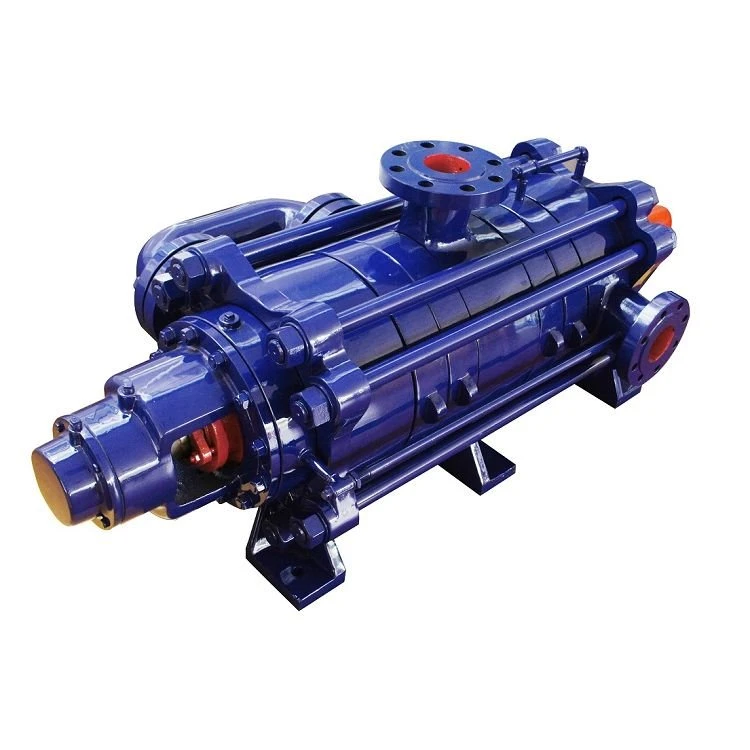
Mine Multistage Centrifugal Pump
The Mine Multistage Centrifugal Pump is designed for use in mining operations. These pumps are often exposed to harsh conditions, so it's crucial to clean them thoroughly before storage. Also, check the impellers and diffusers for any signs of wear or damage.
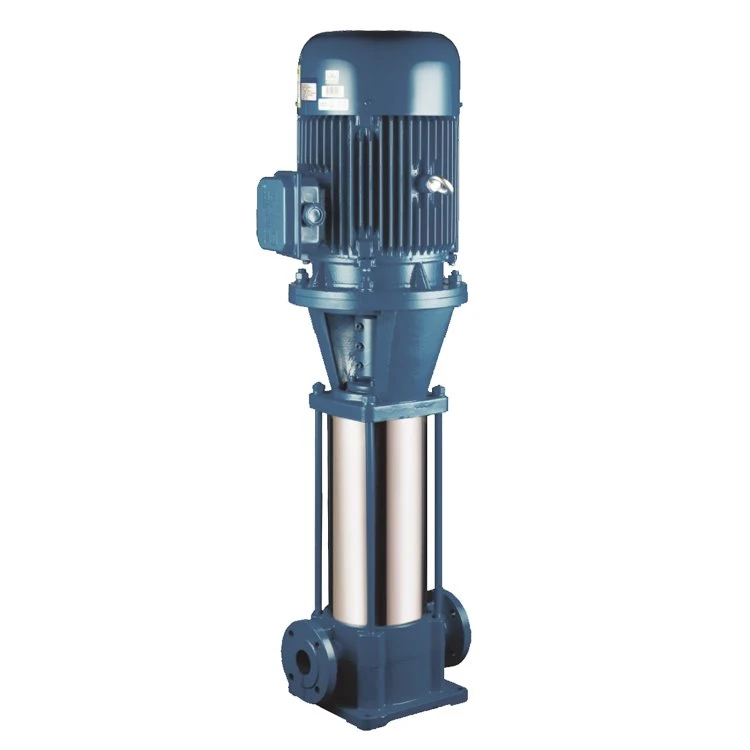
Vertical Multistage Pump
The Vertical Multistage Pump is commonly used in applications where space is limited. When storing this type of pump, make sure it's stored in an upright position to prevent any damage to the internal components.
Conclusion
Proper storage of a slurry pump is essential to ensure its longevity and performance. By following these tips, you can keep your pump in good condition during downtime and save yourself a lot of time and money in the long run.
If you're in the market for a new slurry pump or need more information on storage and maintenance, don't hesitate to reach out. We're here to help you find the right solution for your needs.
References
- Manufacturer's manuals for slurry pumps
- Industry best practices for equipment storage and maintenance