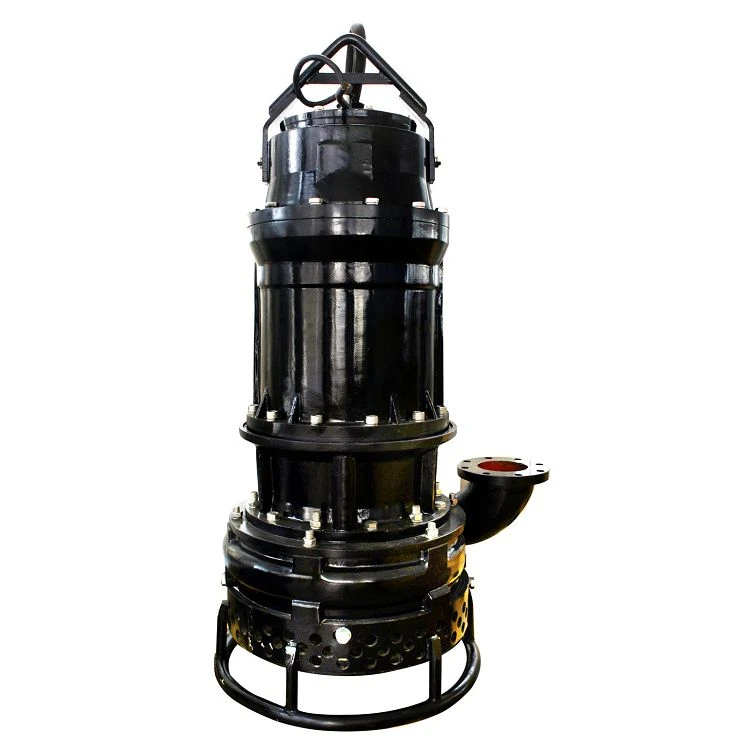
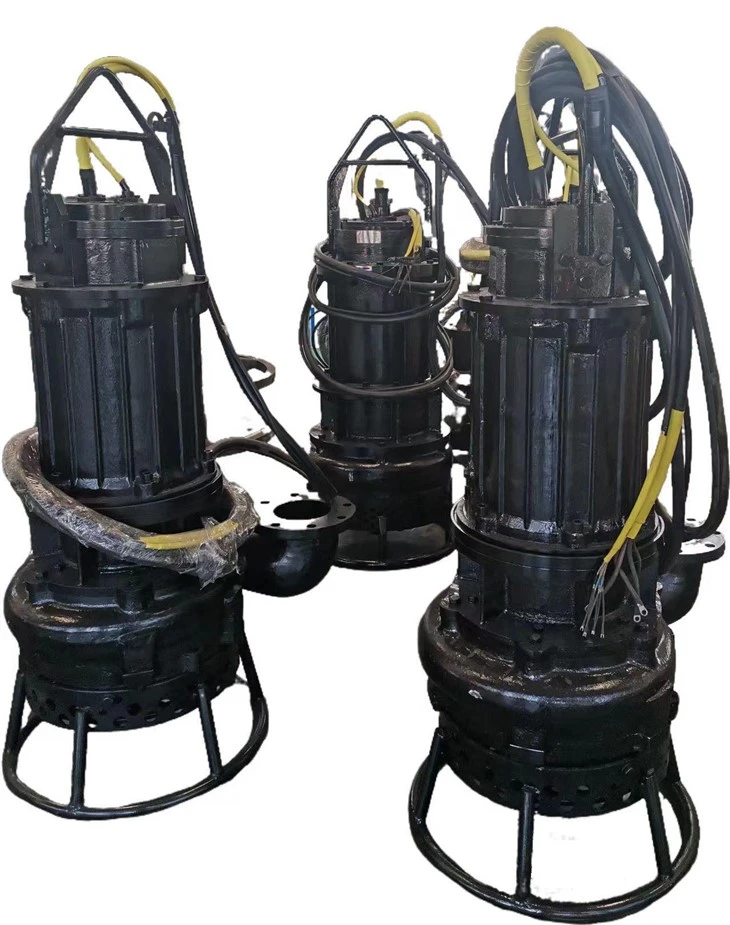
Testing the insulation resistance of a submersible motor is a crucial maintenance and safety procedure that every submersible motor supplier and user should be well - versed in. As a submersible motor supplier, I understand the importance of ensuring the proper functioning of these motors, which are widely used in various applications, including pumps such as Submersible Slurry Pump, Mine Flameproof Submersible Sand Pump, and Submersible Motor Pump. In this blog, I will explain in detail how to test the insulation resistance of a submersible motor.
Why Test Insulation Resistance?
The insulation resistance of a submersible motor is an indicator of the condition of its insulation system. Good insulation is essential to prevent electrical leakage, which can lead to motor failure, short - circuits, and even pose a safety hazard to operators. Over time, the insulation can degrade due to factors such as moisture ingress, mechanical stress, and high temperatures. Regularly testing the insulation resistance can help detect early signs of insulation deterioration, allowing for timely maintenance or replacement.
Tools Required
Before starting the insulation resistance test, you need to gather the following tools:
- Insulation Resistance Tester: Also known as a megohmmeter, this device is specifically designed to measure high resistance values. Make sure the tester has a suitable voltage rating for the submersible motor you are testing. Most submersible motors used in standard applications require a 500V or 1000V insulation resistance tester.
- Safety Gear: Wear appropriate safety gear, including insulated gloves and safety glasses, to protect yourself from electrical hazards.
- Screwdrivers and Wrenches: These tools are needed to access the motor terminals and disconnect any electrical connections safely.
Pre - test Preparations
- Isolate the Motor: Ensure that the submersible motor is completely disconnected from the power source. This includes turning off the circuit breaker or removing any fuses related to the motor. Verify that there is no electrical power reaching the motor by using a voltage tester on the motor terminals.
- Clean the Motor Terminals: Use a clean, dry cloth to remove any dirt, moisture, or debris from the motor terminals. This will ensure accurate test results.
- Check the Motor for Physical Damage: Inspect the motor for any visible signs of physical damage, such as cracks in the casing or damaged wires. If any damage is found, the motor should be repaired or replaced before proceeding with the insulation resistance test.
Conducting the Insulation Resistance Test
- Set Up the Insulation Resistance Tester: Select the appropriate voltage setting on the insulation resistance tester. For most submersible motors, a 500V or 1000V setting is recommended. Follow the manufacturer's instructions for the specific tester you are using to ensure proper operation.
- Connect the Test Leads: Connect one test lead of the insulation resistance tester to the motor terminal. For a three - phase motor, you will need to test each phase separately. Connect the other test lead to the motor's frame or ground connection. Make sure the connections are secure.
- Take the Measurement: Once the test leads are connected, turn on the insulation resistance tester. The tester will apply a voltage to the motor's insulation and measure the resulting current. The insulation resistance value will be displayed on the tester's screen. Take the measurement and record the value.
- Test Each Phase (for Three - Phase Motors): If you are testing a three - phase submersible motor, repeat the above steps for each phase. The insulation resistance values of all three phases should be similar. A significant difference in the values between phases may indicate a problem with the insulation in one of the phases.
Interpreting the Test Results
The acceptable insulation resistance value for a submersible motor depends on several factors, including the motor's voltage rating, size, and application. As a general rule of thumb:
- For low - voltage submersible motors (less than 600V), an insulation resistance value of at least 1 megohm is considered satisfactory.
- For high - voltage submersible motors (above 600V), an insulation resistance value of at least 10 megohms is recommended.
If the measured insulation resistance value is below the acceptable range, it indicates that the motor's insulation may be degraded. In such cases, further investigation is required to determine the cause of the problem. Possible causes include moisture ingress, insulation damage, or contamination.
Troubleshooting Low Insulation Resistance
If the insulation resistance test results are low, the following steps can be taken to troubleshoot the problem:
- Check for Moisture: Moisture is a common cause of low insulation resistance in submersible motors. Check the motor for any signs of water leakage or condensation. If moisture is detected, dry the motor thoroughly using a heat gun or by allowing it to air - dry in a warm, dry environment.
- Inspect the Insulation: Look for any visible signs of insulation damage, such as cracks or burns. If damage is found, the damaged insulation should be repaired or replaced.
- Clean the Motor: Dirt and debris can also affect the insulation resistance of the motor. Clean the motor using a suitable cleaning agent and a soft brush to remove any contaminants.
- Repeat the Test: After taking the necessary corrective actions, repeat the insulation resistance test to verify that the problem has been resolved.
Regular Testing Schedule
To ensure the long - term reliability and safety of submersible motors, it is recommended to establish a regular insulation resistance testing schedule. The frequency of testing depends on the motor's operating conditions and usage. For motors that operate in harsh environments or are used frequently, testing should be done more frequently, such as every three to six months. For motors that operate under normal conditions, testing once a year may be sufficient.
Conclusion
Testing the insulation resistance of a submersible motor is a simple yet essential procedure that can help prevent motor failure and ensure the safety of operators. As a submersible motor supplier, I encourage all users to follow the proper testing procedures and establish a regular testing schedule. By doing so, you can extend the lifespan of your submersible motors and avoid costly repairs or replacements.
If you are interested in purchasing high - quality submersible motors or need more information about insulation resistance testing and other maintenance procedures, please feel free to contact us for procurement and further discussions.
References
- Electrical Installation Handbook, Schneider Electric
- Motor Maintenance and Troubleshooting Guide, IEEE