In the intricate world of pump manufacturing, casting is a fundamental process that shapes the very essence of these essential machines. As a seasoned Pump Casting supplier, I've witnessed firsthand the pivotal role that gating systems play in the success of pump casting operations. A well - designed gating system is not just an accessory in the casting process; it is a critical determinant of the quality, efficiency, and overall performance of the final pump product.
Understanding the Basics of Gating Systems in Pump Casting
A gating system in pump casting serves as the arterial network through which molten metal flows into the mold cavity to form the pump components. It consists of several key elements, including the pouring basin, sprue, runners, and gates. Each component has a specific function in regulating the flow of molten metal and ensuring uniform filling of the mold.
The pouring basin, often the starting point of the gating system, acts as a reservoir that collects and stabilizes the incoming molten metal. It helps to reduce turbulence and prevent the introduction of impurities into the sprue. The sprue is a vertical channel that connects the pouring basin to the runners. Its primary role is to guide the molten metal downward under the influence of gravity, providing the necessary pressure for the metal to flow through the system.

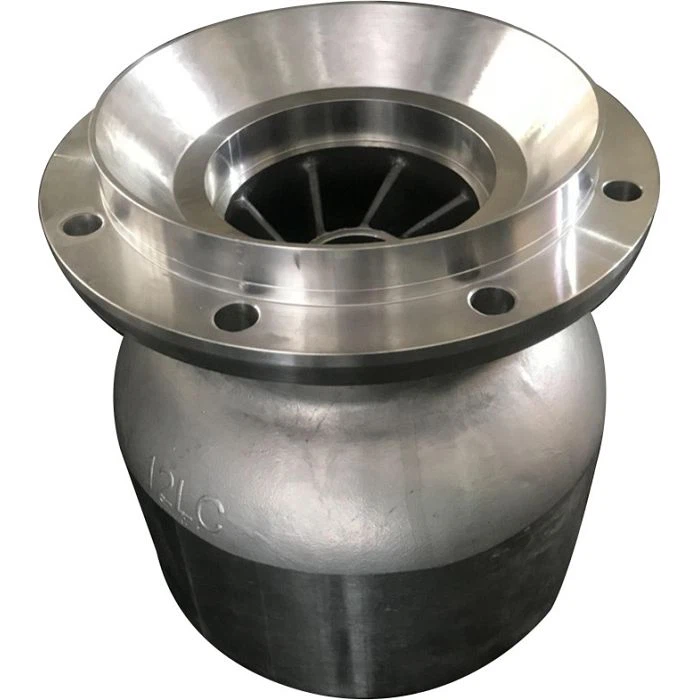
Runners are horizontal channels that distribute the molten metal from the sprue to the individual gates. They are designed to minimize flow resistance and ensure an even distribution of metal to all parts of the mold. Gates, on the other hand, are small openings that connect the runners to the mold cavity. Their size, shape, and location are carefully engineered to control the rate and direction of metal flow into the cavity, thereby influencing the solidification process and the final quality of the casting.
Quality Assurance through Gating System Design
One of the most significant roles of the gating system in pump casting is to ensure the quality of the final product. A well - designed gating system can prevent a variety of casting defects, such as porosity, cold shuts, and misruns.
Porosity, which refers to the presence of small holes or voids in the casting, can significantly weaken the pump component and reduce its performance. By controlling the flow rate and pressure of the molten metal, the gating system can prevent the entrapment of gas bubbles in the mold cavity, thereby minimizing the occurrence of porosity.
Cold shuts occur when two streams of molten metal meet and fail to fuse properly, resulting in a weak joint in the casting. The gating system can be designed to ensure that the molten metal reaches all parts of the mold cavity at a consistent temperature, reducing the likelihood of cold shuts.
Misruns happen when the molten metal does not completely fill the mold cavity, leaving unfilled areas in the casting. A properly designed gating system provides sufficient pressure and flow rate to ensure that the molten metal reaches every corner of the mold, eliminating the risk of misruns.
Efficiency and Productivity Enhancement
In addition to quality assurance, the gating system also plays a crucial role in enhancing the efficiency and productivity of pump casting operations. A well - optimized gating system can reduce the cycle time of the casting process by minimizing the time required for the molten metal to fill the mold cavity.
By carefully designing the size and shape of the runners and gates, the gating system can ensure a rapid and uniform filling of the mold, reducing the overall casting time. This not only increases the production rate but also reduces energy consumption, as less time is spent heating and maintaining the molten metal.
Moreover, an efficient gating system can also reduce the amount of scrap generated during the casting process. By preventing casting defects, the gating system ensures that a higher percentage of the castings meet the required quality standards, reducing the need for rework or rejection. This leads to significant cost savings and improved productivity for pump manufacturers.
Material - Specific Considerations in Gating System Design
Different pump materials require different gating system designs to achieve optimal casting results. For example, Bronze Pump Parts Casting has unique properties such as high fluidity and good corrosion resistance. When casting bronze pump parts, the gating system needs to be designed to take advantage of its high fluidity while preventing oxidation and gas entrapment.
Ductile iron, on the other hand, has a relatively low fluidity compared to bronze. In Ductile Iron Casting, the gating system must be designed to provide sufficient pressure and flow rate to ensure complete filling of the mold cavity. Special attention also needs to be paid to the solidification process of ductile iron, as it undergoes a phase transformation during cooling that can affect the quality of the casting.
Stainless steel is another commonly used material in pump casting. Stainless Steel Pump Casting requires a gating system that can handle the high melting point and viscosity of stainless steel. The gating system must be designed to minimize heat loss and prevent the formation of inclusions, which can compromise the corrosion resistance and mechanical properties of the stainless steel pump components.
The Impact of Gating System on Pump Performance
The quality of the gating system directly impacts the performance of the final pump product. A casting with a well - designed gating system will have a more uniform microstructure, which translates to better mechanical properties such as strength, hardness, and ductility. This, in turn, improves the reliability and durability of the pump, reducing the likelihood of premature failure and downtime.
In addition, a properly designed gating system can also improve the hydraulic performance of the pump. By ensuring a smooth and uniform flow of molten metal into the mold, the gating system can help to create pump components with precise dimensions and smooth surfaces. This reduces flow resistance and turbulence within the pump, improving its efficiency and overall performance.
Conclusion and Call to Action
In conclusion, the gating system plays a multifaceted and indispensable role in pump casting. From ensuring the quality of the castings to enhancing efficiency and productivity, and ultimately influencing the performance of the final pump product, every aspect of the casting process is intertwined with the design and functionality of the gating system.
As a Pump Casting supplier, we understand the critical importance of a well - designed gating system. We have a team of experienced engineers and technicians who are dedicated to optimizing the gating system for each specific pump casting project. Whether you are in need of Bronze Pump Parts Casting, Ductile Iron Casting, or Stainless Steel Pump Casting, we are committed to providing you with high - quality castings that meet your exact specifications.
If you are looking for a reliable partner for your pump casting needs, we invite you to contact us for a detailed discussion and to explore the possibilities of working together. Our expertise and commitment to excellence will ensure that you receive the best pump casting solutions in the industry.
References
- Campbell, J. (2003). Castings. Butterworth - Heinemann.
- Osswald, T. A., & Turng, L. S. (2007). Injection Molding Handbook. Hanser Publications.
- Flemings, M. C. (1974). Solidification Processing. McGraw - Hill.