Hey there! I'm a supplier of submersible motors, and I know how crucial it is to transport these valuable pieces of equipment safely. In this blog, I'll share some tips and tricks on how to ensure your submersible motor arrives at its destination in one piece.
First things first, let's talk about why safe transportation is so important. Submersible motors are delicate and expensive pieces of machinery. Any damage during transit can not only cost you money but also delay projects and disappoint your customers. So, taking the right precautions is a must.
Pre - Transportation Preparations
Inspection
Before you even think about packing the submersible motor, give it a thorough inspection. Check for any visible signs of damage, loose parts, or leaks. If you find any issues, address them right away. This is also a good time to test the motor if possible to make sure it's in working condition. You don't want to ship a faulty motor and then have to deal with returns and re - shipping.

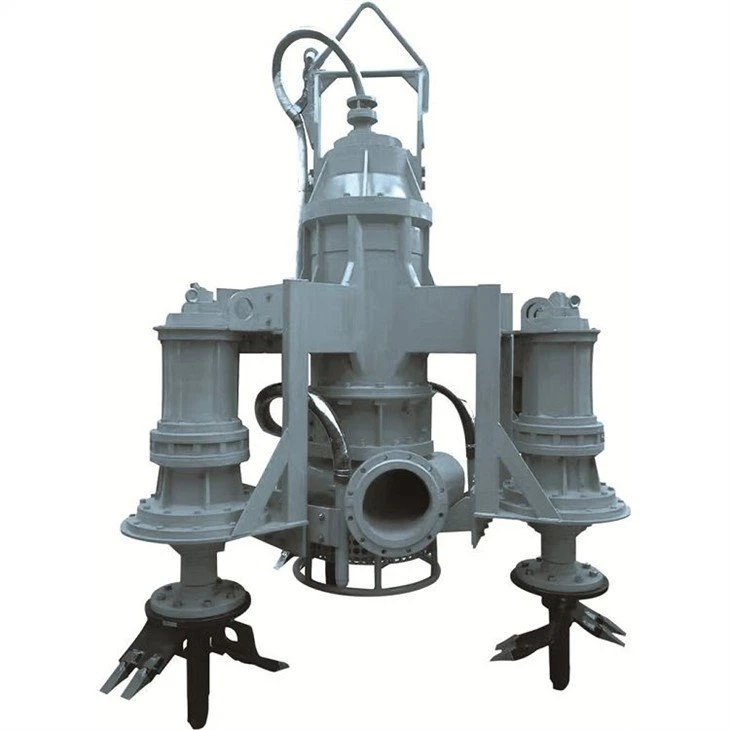
Cleaning
A clean motor is less likely to get damaged during transportation. Remove any dirt, debris, or moisture from the motor. You can use a soft brush and a mild cleaning solution to clean the exterior. Make sure to dry it completely before moving on to the next step.
Documentation
Gather all the necessary documentation for the submersible motor. This includes the user manual, warranty information, and any certificates of compliance. Having these documents handy will not only help you during transportation but also when the motor reaches its destination.
Packing the Submersible Motor
Choosing the Right Packaging Materials
The right packaging materials are key to protecting your submersible motor. You'll need a sturdy crate or a custom - made box that is large enough to fit the motor with some extra space for cushioning. Foam padding, bubble wrap, and packing peanuts are great options for cushioning. They will absorb any shocks and vibrations during transit.
Securing the Motor Inside the Package
Once you have the motor in the box, make sure it's secured properly. You can use straps or ropes to hold the motor in place. This will prevent it from moving around inside the box and getting damaged. Fill any empty spaces in the box with the cushioning materials to provide extra protection.
Labeling the Package
Clearly label the package with important information such as "Fragile", "This Side Up", and the weight of the motor. You should also include your contact information and the destination address. This will help the shipping company handle the package correctly and ensure it gets to the right place.
Selecting a Shipping Method
Freight Shipping
For larger submersible motors, freight shipping is often the best option. Freight carriers have the equipment and expertise to handle heavy and bulky items. They also offer different levels of service, such as door - to - door delivery or terminal - to - terminal delivery. When choosing a freight carrier, make sure to check their reputation, insurance coverage, and transit times.
Air Shipping
If you need to get the submersible motor to its destination quickly, air shipping might be a good choice. However, it can be more expensive than freight shipping. Air carriers also have strict rules regarding the size and weight of the packages, so make sure your motor meets their requirements.
Local Delivery
For local customers, you can consider offering local delivery services. This gives you more control over the transportation process and allows you to ensure the motor is delivered safely. You can use a van or a truck equipped with proper padding and securing mechanisms.
Tracking and Monitoring the Shipment
Using Tracking Tools
Most shipping companies provide tracking tools that allow you to monitor the progress of your shipment. Make sure to use these tools to keep an eye on where the motor is at all times. This will give you peace of mind and allow you to address any issues that may arise during transit.
Communicating with the Shipping Company
Stay in touch with the shipping company throughout the transportation process. If there are any delays or problems, they can keep you informed and help you find solutions. You can also ask them for updates on the estimated delivery time.
Insurance
Why Insurance is Important
Even with all the precautions in place, accidents can still happen during transportation. That's why it's important to get insurance for your submersible motor. Insurance will protect you financially in case the motor gets damaged or lost during transit.
Choosing the Right Insurance Policy
When choosing an insurance policy, make sure to read the fine print. Look for a policy that covers the full value of the motor and includes coverage for damage, theft, and loss. You should also check the deductible and the claims process.
Unloading and Installation
Proper Unloading Procedures
When the submersible motor arrives at its destination, make sure it's unloaded properly. Use the right equipment, such as a forklift or a crane, to lift the motor out of the vehicle. Follow the instructions on the package and handle the motor with care.
Installation
Once the motor is unloaded, it's time for installation. Make sure to follow the installation instructions provided in the user manual. If you're not experienced in installing submersible motors, it's a good idea to hire a professional.
Related Products
If you're in the market for other submersible equipment, we also offer Submersible Slurry Pump and Submersible Sewage Pump. These pumps are designed to work in conjunction with our Submersible Motor for optimal performance.
Contact for Purchase and Negotiation
If you're interested in purchasing our submersible motors or any of our other products, don't hesitate to reach out. We're always ready to discuss your needs and provide you with the best solutions. Whether you're a small business or a large corporation, we can offer you competitive prices and excellent service.
References
- Submersible Motor User Manuals
- Shipping Industry Best Practices Guides
- Packaging and Crating Standards for Industrial Equipment