As a supplier of Submersible Motors, I understand the importance of proper lubrication in ensuring the efficient and long - lasting operation of these motors. In this blog, I will share some essential knowledge on how to lubricate a submersible motor.
Why Lubrication is Crucial for Submersible Motors
Submersible motors operate in a harsh environment, often submerged in water or other fluids. The lubrication of a submersible motor serves multiple purposes. Firstly, it reduces friction between moving parts. In a motor, there are various components such as bearings and shafts that move against each other. Without proper lubrication, the friction would generate excessive heat, which can damage the motor's internal parts and lead to premature failure.
Secondly, lubrication helps to protect the motor from corrosion. Since submersible motors are constantly in contact with water or other potentially corrosive substances, a good lubricant creates a protective barrier on the metal surfaces, preventing rust and corrosion. This extends the lifespan of the motor and maintains its performance over time.
Selecting the Right Lubricant
The choice of lubricant is a critical step in the lubrication process. When selecting a lubricant for a submersible motor, several factors need to be considered.
Viscosity
Viscosity refers to the thickness or resistance to flow of the lubricant. For submersible motors, the viscosity of the lubricant should be appropriate for the operating temperature and speed of the motor. In general, a lower - viscosity lubricant is better for high - speed motors, as it can flow more easily and reduce drag. However, in colder temperatures, a lubricant with slightly higher viscosity may be required to ensure proper lubrication.
Chemical Compatibility
The lubricant must be chemically compatible with the materials used in the motor. For example, some lubricants may react with certain types of seals or gaskets, causing them to swell or degrade. It is essential to choose a lubricant that is specifically formulated for use in submersible motors and is compatible with the motor's internal components.
Water Resistance
Since submersible motors operate in a wet environment, the lubricant should have excellent water - resistance properties. A water - resistant lubricant can prevent water from diluting or washing away the lubricant, ensuring continuous protection of the motor's parts.
Lubrication Process
Preparation
Before starting the lubrication process, it is necessary to prepare the motor and the lubricant. First, make sure the motor is turned off and disconnected from the power source to avoid any electrical hazards. Then, clean the motor's lubrication ports and surrounding areas to remove any dirt, debris, or old lubricant. This can be done using a clean cloth or a mild solvent.
Next, check the lubricant for any signs of contamination or degradation. If the lubricant appears cloudy, has a strange odor, or contains particles, it should be replaced with a fresh batch.
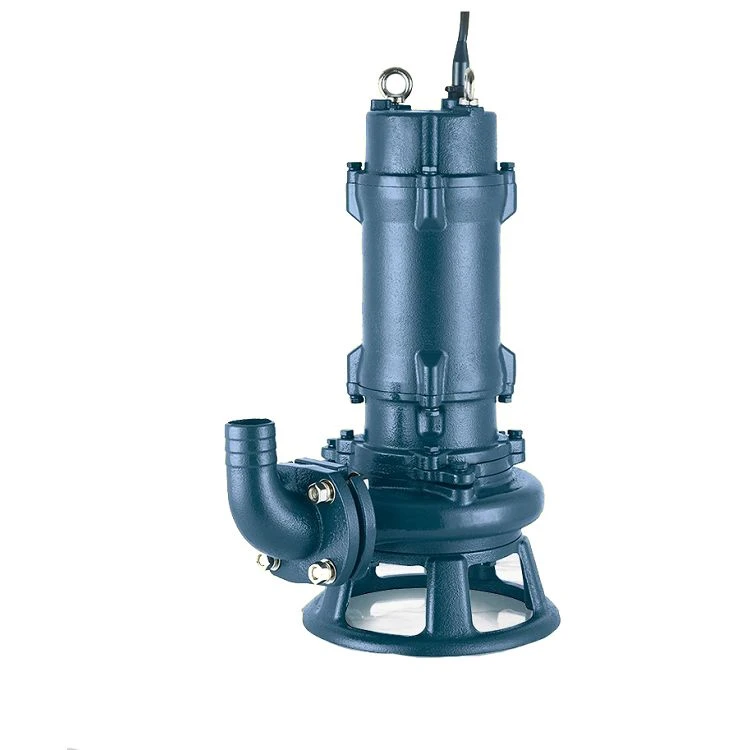

Filling the Lubricant
Once the preparation is complete, it is time to fill the motor with the lubricant. Locate the lubrication ports on the motor. These ports are usually marked and are designed to allow the lubricant to reach the critical components, such as the bearings.
Use a suitable lubrication tool, such as a grease gun or a syringe, to inject the lubricant into the ports. Fill the lubricant slowly and steadily, following the manufacturer's recommended filling level. Over - filling the motor with lubricant can cause excessive pressure, which may damage the seals and other components.
Monitoring and Maintenance
After lubricating the motor, it is important to monitor the motor's performance and the condition of the lubricant regularly. Check for any signs of leakage around the lubrication ports or other parts of the motor. If there is a leak, it may indicate a problem with the seals or the lubrication system, and immediate action should be taken to fix it.
Periodically, drain and replace the lubricant according to the manufacturer's maintenance schedule. Over time, the lubricant may become contaminated with dirt, water, or wear particles, which can reduce its effectiveness. Regular lubricant replacement ensures that the motor continues to operate smoothly and efficiently.
Common Mistakes to Avoid
Using the Wrong Lubricant
As mentioned earlier, using an inappropriate lubricant can cause serious problems for the submersible motor. Always refer to the motor's manual or consult with the manufacturer to determine the correct type of lubricant for your specific motor.
Over - lubrication
Over - lubricating the motor can lead to increased heat generation, higher energy consumption, and potential damage to the motor's seals and gaskets. Follow the recommended lubrication levels carefully to avoid over - lubrication.
Neglecting Maintenance
Regular maintenance is essential for the proper functioning of a submersible motor. Neglecting to monitor the lubricant level and condition, or failing to replace the lubricant at the recommended intervals, can result in premature motor failure.
Related Products
At our company, we offer a wide range of submersible motor - related products. If you are interested in other submersible equipment, you can check out our Mine Flameproof Submersible Sand Pump, which is designed for use in mining applications and can handle sand and other abrasive materials. Our Submersible Motor is of high quality and is suitable for various submersible pump systems. We also have the Submersible Sewage Pump, which is ideal for sewage and wastewater applications.
Conclusion
Proper lubrication is a key factor in ensuring the reliable and efficient operation of submersible motors. By selecting the right lubricant, following the correct lubrication process, and avoiding common mistakes, you can extend the lifespan of your submersible motor and reduce the risk of breakdowns.
If you are in the market for submersible motors or related products, or if you have any questions about lubrication or other aspects of submersible motor operation, please feel free to contact us for more information and to discuss your procurement needs. We are committed to providing high - quality products and excellent customer service.
References
- Manufacturer's manuals for submersible motors
- Industry standards for submersible motor lubrication
- Technical literature on lubricants for wet - environment applications