Pump impellers are critical components in various pumping systems, playing a vital role in converting mechanical energy into hydraulic energy to move fluids. However, like any mechanical part, pump impellers can encounter problems over time. As a pump impeller supplier, I have extensive experience in dealing with these issues and would like to share some effective troubleshooting methods.
Common Pump Impeller Problems
1. Erosion and Corrosion
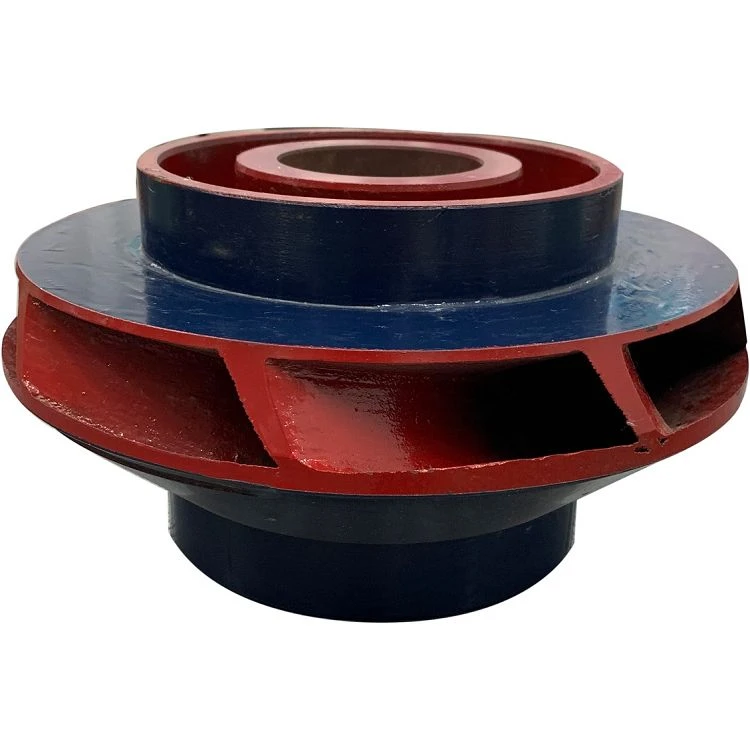
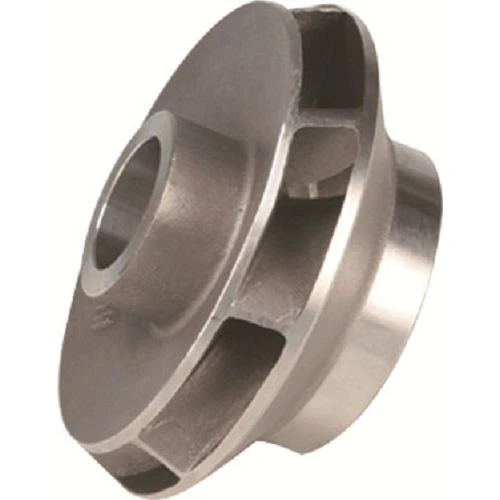
Erosion occurs when solid particles in the fluid collide with the impeller surface, gradually wearing it away. Corrosion, on the other hand, is caused by chemical reactions between the fluid and the impeller material. For example, in a wastewater pumping system, the presence of abrasive particles and corrosive chemicals can lead to significant damage to the impeller.
2. Cavitation
Cavitation happens when the pressure of the fluid near the impeller drops below its vapor pressure, causing vapor bubbles to form. When these bubbles collapse, they generate high - intensity shock waves that can damage the impeller surface. This often occurs when the pump is operating at a flow rate that is too high or too low for its design.
3. Imbalance
An imbalanced impeller can cause excessive vibration and noise in the pump. This imbalance can be due to manufacturing defects, uneven wear, or the accumulation of debris on one side of the impeller. Over time, the vibration can lead to further damage to the pump bearings and other components.
4. Clogging
Foreign objects such as rags, twigs, or large particles can get stuck in the impeller, blocking the flow of fluid and reducing the pump's efficiency. This is a common problem in pumps used in sewage treatment plants or industrial applications where the fluid contains a lot of debris.
Troubleshooting Steps
1. Visual Inspection
The first step in troubleshooting pump impeller problems is to conduct a visual inspection. Shut down the pump and disconnect it from the power source to ensure safety. Remove the pump casing to access the impeller. Look for signs of erosion, corrosion, damage, or clogging. Check for any visible cracks, chips, or uneven wear on the impeller blades. If you notice any foreign objects stuck in the impeller, carefully remove them using appropriate tools.
2. Check for Cavitation
To determine if cavitation is occurring, listen for a characteristic "hissing" or "rattling" noise coming from the pump. You can also check the pump's performance data. A sudden drop in flow rate or head pressure may indicate cavitation. If you suspect cavitation, check the suction conditions of the pump. Make sure the suction line is not blocked, the suction lift is within the pump's design limits, and the fluid level in the suction tank is sufficient. Adjust the pump's operating conditions, such as reducing the flow rate or increasing the suction pressure, to eliminate cavitation.
3. Test for Imbalance
To check for impeller imbalance, you can use a vibration analyzer. Mount the analyzer on the pump casing and run the pump at a low speed. The analyzer will measure the vibration levels and frequencies. High - frequency vibrations may indicate an imbalanced impeller. If imbalance is detected, you may need to balance the impeller. This can be done by adding or removing small weights on the impeller or by machining the impeller to correct the imbalance.
4. Evaluate the Impeller Material
If erosion or corrosion is a problem, consider the compatibility of the impeller material with the fluid being pumped. Different materials have different resistance to erosion and corrosion. For example, Cast Iron Pump Impeller is a cost - effective option but may not be suitable for highly corrosive fluids. Bronze Pump Impeller offers better corrosion resistance and is often used in marine applications. Stainless Steel Pump Impeller is a popular choice for applications where high corrosion resistance is required.
5. Monitor Pump Performance
Regularly monitor the pump's performance parameters such as flow rate, head pressure, power consumption, and efficiency. Keep a record of these values over time. Any significant changes in these parameters can indicate a problem with the impeller or other pump components. Compare the actual performance with the pump's design specifications to identify any deviations.
Preventive Maintenance
Preventive maintenance is key to avoiding pump impeller problems. Here are some preventive maintenance measures:
1. Regular Cleaning
Clean the pump and impeller regularly to prevent the accumulation of debris and scale. Use a suitable cleaning agent to remove any stubborn deposits. Make sure to follow the manufacturer's instructions when cleaning the pump.
2. Lubrication
Proper lubrication of the pump bearings is essential to reduce friction and wear. Check the lubricant level regularly and replace it as recommended by the manufacturer.
3. Filter Installation
Install a filter in the suction line to prevent large particles from entering the pump and clogging the impeller. Choose a filter with an appropriate mesh size based on the application.
4. Regular Inspections
Schedule regular inspections of the pump and impeller to detect any potential problems early. This can help prevent costly repairs and downtime.
When to Replace the Impeller
In some cases, the impeller damage may be too severe to repair, and replacement is the only option. Consider replacing the impeller if:
- The impeller has significant cracks or chips that cannot be repaired.
- The erosion or corrosion has reduced the impeller's thickness beyond the acceptable limit.
- The impeller is severely imbalanced and cannot be balanced effectively.
- The pump's performance cannot be restored to the desired level even after troubleshooting and maintenance.
As a pump impeller supplier, we offer a wide range of high - quality impellers made from different materials to meet your specific needs. Whether you need a Cast Iron Pump Impeller, Bronze Pump Impeller, or Stainless Steel Pump Impeller, we can provide you with the right solution. If you are experiencing pump impeller problems or need to purchase a new impeller, feel free to contact us for a consultation and procurement negotiation.
References
- Pump Handbook, by Igor J. Karassik et al.
- Centrifugal Pumps: Design and Application, by Stepanoff A. J.
- Pump System Optimization: A Guide to Achieving Energy Efficiency, by Hydraulic Institute.