Hey there! As a supplier of slurry pumps, I often get asked if these bad boys can be used in underwater applications. Well, let's dive right into it and find out!
First off, what exactly is a slurry pump? In simple terms, it's a type of pump designed to handle abrasive, high - density slurries. These slurries are mixtures of solids and liquids, and they can be pretty tough to deal with. Slurry pumps are commonly used in industries like mining, dredging, and wastewater treatment.
Now, the big question: Can they work underwater? The short answer is yes, but there are some important things to consider.
The Basics of Using Slurry Pumps Underwater
One of the main advantages of using a slurry pump underwater is that it can eliminate the need for priming. Priming is the process of filling the pump with liquid to get it working properly. When a pump is underwater, it's already surrounded by the fluid it needs to pump, so priming becomes a non - issue. This can save a lot of time and hassle, especially in continuous pumping operations.
Another benefit is that the pump can take advantage of the hydrostatic pressure of the water. This means that the water above the pump can help push the slurry into the pump inlet, reducing the amount of work the pump has to do to draw in the fluid. It's like having a little extra helping hand from Mother Nature.
However, there are also some challenges. Underwater conditions can be harsh on the pump. The water can be corrosive, especially in saltwater environments. The pump's components need to be made of materials that can withstand corrosion. For example, stainless steel or special coatings can be used to protect the pump from rust and other forms of corrosion.
The abrasive nature of the slurry can also cause wear and tear on the pump. When the pump is underwater, it's harder to access and maintain. So, the pump needs to be built to last. High - quality materials and a robust design are essential.
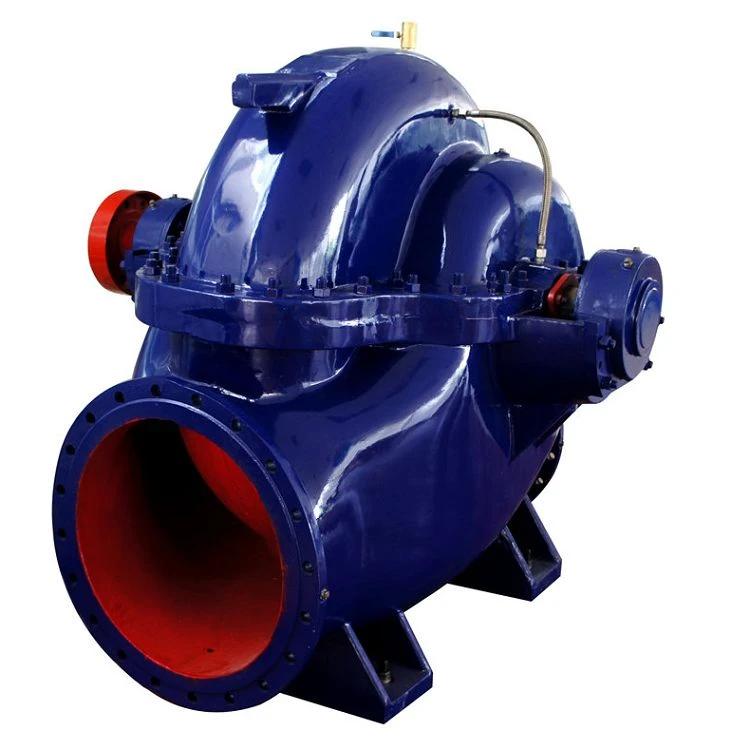
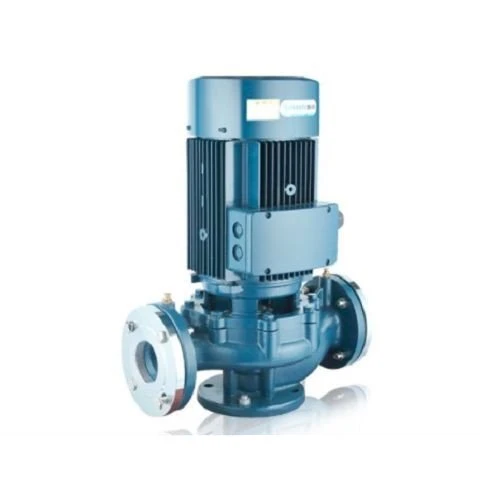
Types of Slurry Pumps Suitable for Underwater Use
There are several types of slurry pumps that can be used underwater. One popular option is the End Suction Centrifugal Pump. These pumps are relatively simple in design and are great for handling a wide range of slurries. They work by using a rotating impeller to create a centrifugal force that moves the slurry through the pump.
Another option is the Horizontal Split Casing Centrifugal Pump. These pumps are known for their high efficiency and ability to handle large volumes of slurry. They have a split casing that makes maintenance and inspection easier, which is important when the pump is underwater.
The Vertical In Line Pump is also a good choice for underwater applications. These pumps are compact and can be installed in tight spaces. They are often used in situations where space is limited, such as in some underwater mining operations.
Factors to Consider When Using Slurry Pumps Underwater
1. Submersibility
Not all slurry pumps are designed to be fully submerged. Some may only be suitable for partial submersion. You need to make sure that the pump you choose is rated for the depth and duration of submersion required for your application.
2. Power Supply
Underwater pumps need a reliable power supply. This can be a challenge, especially in remote locations. You may need to use a submersible motor that is specifically designed for underwater use. These motors are sealed to prevent water from getting in and causing damage.
3. Slurry Characteristics
The type of slurry you're pumping matters. Different slurries have different densities, viscosities, and abrasiveness. You need to choose a pump that can handle the specific characteristics of your slurry. For example, if the slurry is very abrasive, you'll need a pump with a wear - resistant lining.
4. Installation and Maintenance
Installing a slurry pump underwater can be tricky. You need to make sure that the pump is properly aligned and secured. Maintenance is also a key consideration. Since the pump is underwater, it's harder to access for repairs and inspections. You may need to use specialized equipment and techniques to maintain the pump.
Real - World Examples of Underwater Slurry Pump Applications
In the mining industry, slurry pumps are often used to pump ore slurries from underwater mines. These pumps need to be able to handle large volumes of abrasive slurry at high pressures. They are typically installed deep underwater and need to be reliable and durable.
Dredging operations also rely on underwater slurry pumps. These pumps are used to remove sediment and debris from the bottom of rivers, lakes, and oceans. They need to be able to handle a wide range of materials, from sand and gravel to clay and silt.
In wastewater treatment plants, underwater slurry pumps are used to pump sludge and other waste materials. These pumps need to be able to handle the corrosive and abrasive nature of the wastewater.
Conclusion
So, can a slurry pump be used in underwater applications? Absolutely! But it's not as simple as just throwing a pump in the water. You need to consider a variety of factors, including the pump type, the slurry characteristics, and the underwater conditions.
If you're in the market for a slurry pump for an underwater application, we're here to help. We have a wide range of high - quality slurry pumps that are designed to meet the challenges of underwater use. Whether you need an End Suction Centrifugal Pump, a Horizontal Split Casing Centrifugal Pump, or a Vertical In Line Pump, we've got you covered.
If you have any questions or want to discuss your specific needs, don't hesitate to reach out. We're always happy to have a chat and help you find the perfect pump for your project.
References
- "Pump Handbook" by Igor J. Karassik et al.
- "Centrifugal Pumps: Design and Application" by Heinz P. Bloch.
- Industry standards and guidelines for slurry pumps and underwater equipment.