Unclogging a pump suction is a crucial maintenance task that ensures the efficient and reliable operation of your pumping system. As a leading Pump Suction supplier, we understand the challenges that come with clogged pump suctions and are here to provide you with comprehensive guidance on how to address this issue effectively.
Understanding the Causes of Pump Suction Clogs
Before diving into the solutions, it's essential to understand the common causes of pump suction clogs. Several factors can contribute to this problem, including:
- Debris and Sediment: Over time, debris such as leaves, twigs, sand, and dirt can accumulate in the pump suction, obstructing the flow of fluid. This is especially common in pumps used in outdoor or industrial settings where the intake is exposed to the elements.
- Corrosion and Rust: In systems using metal components, corrosion and rust can cause the inner walls of the pump suction to flake off, leading to blockages. This is particularly prevalent in older pumps or those operating in corrosive environments.
- Scaling and Mineral Deposits: Hard water containing high levels of minerals can cause scaling and deposits to form inside the pump suction. These deposits can gradually build up and restrict the flow of water, reducing the pump's efficiency.
- Foreign Objects: Occasionally, foreign objects such as tools, rags, or small parts can accidentally find their way into the pump suction, causing blockages.
Signs of a Clogged Pump Suction
Recognizing the signs of a clogged pump suction is crucial for timely intervention. Some common indicators include:
- Reduced Flow Rate: If you notice a significant decrease in the flow rate of your pump, it could be a sign of a clog. This can result in longer pumping times and reduced efficiency.
- Increased Energy Consumption: A clogged pump suction forces the pump to work harder to maintain the desired flow rate, leading to increased energy consumption. If you observe a sudden spike in your energy bills, it's worth checking for a clog.
- Unusual Noise and Vibration: A clogged pump may produce unusual noise and vibration as it struggles to operate under the increased load. This can be a sign of cavitation, which occurs when the pressure in the pump drops below the vapor pressure of the fluid, causing bubbles to form and collapse.
- Overheating: When a pump is clogged, it can overheat due to the increased friction and resistance. Overheating can damage the pump motor and other components, leading to costly repairs.
Steps to Unclog a Pump Suction
Once you've identified a clogged pump suction, it's time to take action. Here are the steps you can follow to unclog your pump suction:
- Turn Off the Pump: Before attempting any maintenance or repair work, always turn off the pump and disconnect it from the power source to prevent electrical shock.
- Locate the Suction Line: Identify the location of the pump suction line. This is usually a pipe or hose that connects the pump to the source of the fluid.
- Inspect the Suction Strainer: Many pumps are equipped with a suction strainer to prevent large debris from entering the pump. Remove the strainer and clean it thoroughly to remove any accumulated debris. If the strainer is damaged or clogged beyond repair, replace it with a new one.
- Check for Visible Blockages: Inspect the suction line for any visible blockages. Use a flashlight to look inside the pipe or hose and remove any debris or foreign objects that you can reach.
- Flush the Suction Line: If the blockage is not visible or cannot be removed manually, you can try flushing the suction line with water. Connect a garden hose to the suction line and turn on the water to flush out any debris. Make sure to direct the water flow in the opposite direction of the normal flow to dislodge the blockage.
- Use a Pipe Snake or Auger: For stubborn blockages, you can use a pipe snake or auger to break up and remove the debris. Insert the snake or auger into the suction line and rotate it slowly to break up the blockage. Once the blockage is broken up, flush the line with water to remove the debris.
- Chemical Cleaners: In some cases, chemical cleaners can be used to dissolve stubborn blockages. However, it's important to use these cleaners with caution, as they can be harmful to the pump and the environment. Follow the manufacturer's instructions carefully and use the appropriate protective equipment.
- Reassemble and Test the Pump: Once you've removed the blockage, reassemble the pump and the suction line. Make sure all connections are tight and secure. Turn on the pump and check for proper operation. Monitor the flow rate, pressure, and temperature to ensure that the pump is working correctly.
Preventive Maintenance Tips
To prevent future clogs, it's important to implement a regular preventive maintenance program for your pump suction. Here are some tips to help you keep your pump suction clean and free of blockages:
- Install a Suction Strainer: A suction strainer is an essential component that helps prevent large debris from entering the pump. Make sure to choose a strainer with the appropriate mesh size for your application and clean it regularly.
- Inspect and Clean the Suction Line Regularly: Regularly inspect the suction line for any signs of damage, corrosion, or blockages. Clean the line as needed to remove any debris or deposits.
- Use a Filtration System: If your pump is used in an environment with a high concentration of debris or sediment, consider installing a filtration system to remove the contaminants before they reach the pump.
- Monitor the Water Quality: Hard water can cause scaling and deposits to form inside the pump suction. If you have hard water, consider using a water softener or a descaling agent to prevent scaling.
- Train Your Staff: Proper training of your staff on the operation and maintenance of the pump is crucial for preventing clogs. Make sure your staff understands the importance of keeping the pump suction clean and knows how to perform basic maintenance tasks.
Choosing the Right Pump Suction
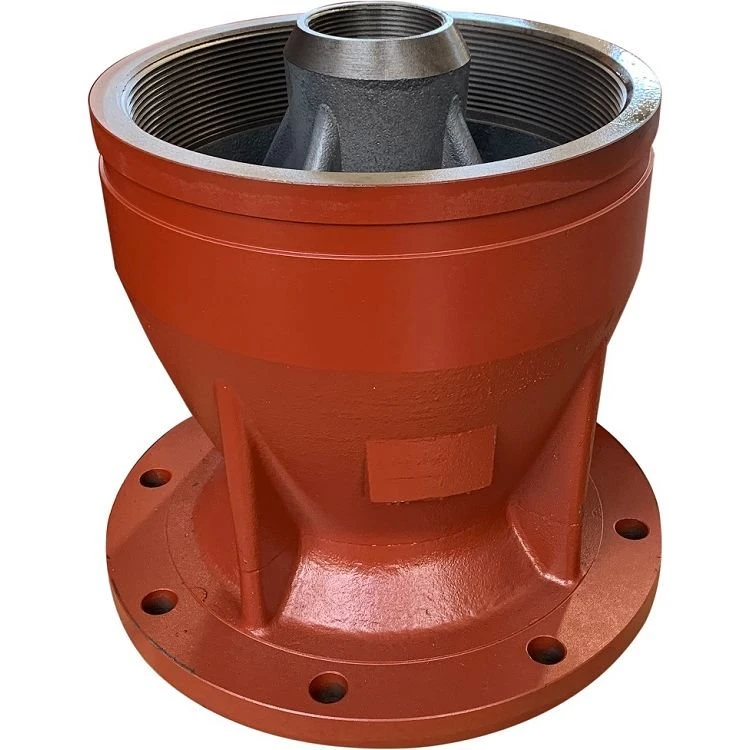
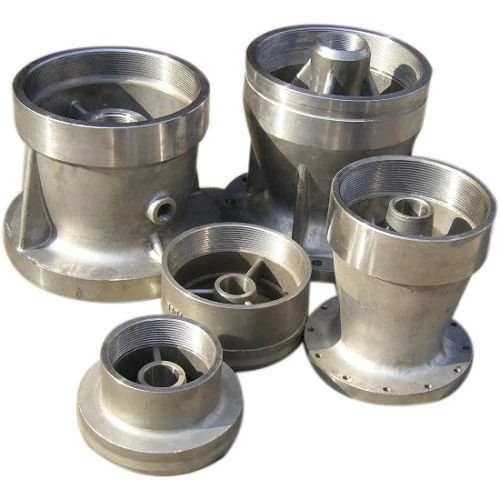
At our company, we offer a wide range of Stainless Steel Pump Suction and Cast Iron Pump Suction to meet your specific needs. Our pump suctions are made from high-quality materials and are designed to provide reliable performance and long service life.
- Stainless Steel Pump Suction: Stainless steel pump suctions are highly resistant to corrosion and rust, making them ideal for use in harsh environments. They are also easy to clean and maintain, ensuring optimal performance over time.
- Cast Iron Pump Suction: Cast iron pump suctions are known for their durability and strength. They are suitable for heavy-duty applications and can withstand high pressures and temperatures.
When choosing a pump suction, it's important to consider factors such as the type of fluid being pumped, the flow rate, the pressure, and the operating environment. Our team of experts can help you select the right pump suction for your application and provide you with the necessary support and guidance.
Contact Us for More Information
If you have any questions or need further assistance with unclogging your pump suction or choosing the right pump suction for your application, please don't hesitate to contact us. We are committed to providing our customers with the highest quality products and services and look forward to helping you keep your pumping system running smoothly.
References
- "Pump Handbook" by Igor Karassik et al.
- "Centrifugal Pumps: Design and Application" by Heinz P. Bloch.
- Manufacturer's manuals and technical documents for specific pump models.