As a pump casting supplier with years of experience in the industry, I've witnessed firsthand the transformative power of casting simulation software in pump casting design. In this blog, I'll share insights on how to effectively use this software to optimize your pump casting designs, reduce costs, and improve overall product quality.
Understanding the Basics of Casting Simulation Software
Casting simulation software is a powerful tool that uses numerical methods to predict the behavior of molten metal during the casting process. By simulating the filling, solidification, and cooling stages, designers can identify potential defects such as porosity, shrinkage, and hot spots before the actual casting is made. This allows for early design modifications, reducing the need for costly trial-and-error iterations.
One of the key advantages of casting simulation software is its ability to provide detailed visualizations of the casting process. These visualizations can help designers understand how the molten metal flows through the mold, how it solidifies, and where potential problems may occur. For example, a simulation may show that the molten metal is not filling a particular area of the mold properly, indicating a need for a change in the gating system.
Selecting the Right Casting Simulation Software
There are several casting simulation software packages available on the market, each with its own features and capabilities. When selecting a software package, it's important to consider your specific needs and requirements. Some factors to consider include:
- Accuracy: The software should be able to provide accurate predictions of the casting process. Look for software that has been validated against real-world casting data.
- Ease of use: The software should be easy to use, even for designers who are not familiar with numerical simulation techniques. Look for software that has a user-friendly interface and provides clear instructions and tutorials.
- Compatibility: The software should be compatible with your existing design and manufacturing tools. Look for software that can import and export data in common file formats.
- Cost: The cost of the software is an important consideration. Look for software that offers a good balance between features and cost.
Preparing Your Pump Casting Design for Simulation
Before you can start simulating your pump casting design, you need to prepare your design for simulation. This involves creating a 3D model of your pump casting and defining the material properties, boundary conditions, and casting process parameters.
- Create a 3D model: You can create a 3D model of your pump casting using a CAD software package. Make sure your model is accurate and includes all the details of your design.
- Define the material properties: You need to define the material properties of the molten metal and the mold. This includes the density, specific heat, thermal conductivity, and viscosity of the molten metal, as well as the thermal properties of the mold.
- Define the boundary conditions: You need to define the boundary conditions for the simulation. This includes the initial temperature of the molten metal and the mold, the pouring temperature, and the cooling rate.
- Define the casting process parameters: You need to define the casting process parameters, such as the gating system, the riser system, and the pouring time. These parameters can have a significant impact on the quality of the casting.
Running the Simulation
Once you have prepared your pump casting design for simulation, you can run the simulation using the casting simulation software. The simulation will typically take several hours to complete, depending on the complexity of your design and the computing power of your computer.
- Monitor the simulation: During the simulation, you can monitor the progress of the simulation and view the results in real-time. This can help you identify any potential problems or issues that may arise during the casting process.
- Analyze the results: Once the simulation is complete, you can analyze the results to identify any potential defects or problems in your design. The software will typically provide detailed reports and visualizations of the casting process, including the filling pattern, the solidification pattern, and the temperature distribution.
- Make design modifications: Based on the results of the simulation, you can make design modifications to your pump casting to improve its quality and performance. This may involve changing the gating system, the riser system, or the shape of the casting.
Validating the Simulation Results
After you have made design modifications based on the simulation results, it's important to validate the simulation results by making a physical casting. This will help you confirm that the design modifications have improved the quality and performance of your pump casting.
- Make a physical casting: You can make a physical casting using the modified design. Make sure you follow the same casting process parameters as in the simulation.
- Inspect the casting: After the casting is made, you can inspect the casting for any defects or problems. This may involve using non-destructive testing techniques such as X-ray inspection or ultrasonic testing.
- Compare the results: You can compare the results of the physical casting with the results of the simulation to confirm that the simulation was accurate. If there are any discrepancies between the results, you may need to adjust your simulation model or make further design modifications.
Using Casting Simulation Software to Optimize Your Pump Casting Design
Casting simulation software can be used to optimize your pump casting design in several ways. Some examples include:
- Reducing porosity: Porosity is a common defect in pump castings that can reduce the strength and durability of the casting. By using casting simulation software, you can identify the causes of porosity and make design modifications to reduce its occurrence.
- Minimizing shrinkage: Shrinkage is another common defect in pump castings that can cause dimensional inaccuracies and cracking. By using casting simulation software, you can optimize the gating and riser systems to minimize shrinkage.
- Improving the filling pattern: The filling pattern of the molten metal can have a significant impact on the quality of the casting. By using casting simulation software, you can optimize the gating system to ensure that the molten metal fills the mold evenly and without any turbulence.
- Reducing the casting time: By using casting simulation software, you can optimize the casting process parameters to reduce the casting time. This can help you increase your production efficiency and reduce your costs.
Conclusion
Casting simulation software is a powerful tool that can help you optimize your pump casting design, reduce costs, and improve overall product quality. By following the steps outlined in this blog, you can effectively use casting simulation software to design and manufacture high-quality pump castings.
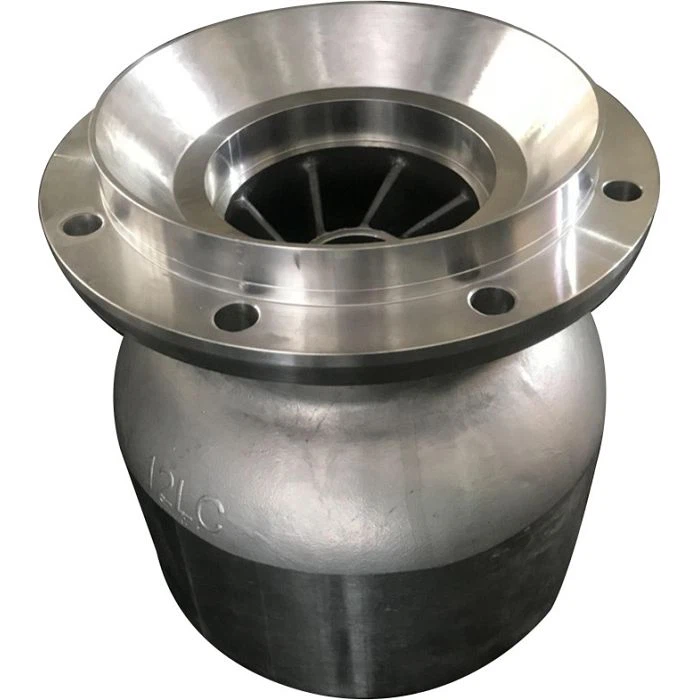
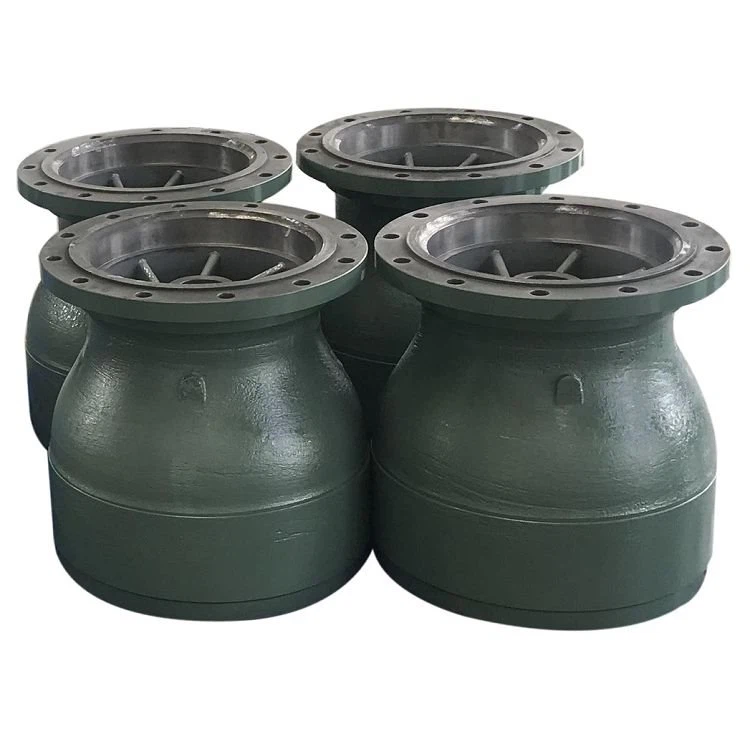
If you're interested in learning more about how casting simulation software can benefit your pump casting design, or if you're looking for a reliable pump casting supplier, please don't hesitate to contact us for procurement discussions. We offer a wide range of Stainless Steel Pump Casting, Ductile Iron Casting, and Cast Iron Casting solutions to meet your specific needs.
References
- Campbell, J. (2003). Castings. Butterworth-Heinemann.
- Flemings, M. C. (1974). Solidification processing. McGraw-Hill.
- Kubo, T., & Pehlke, R. D. (1981). A numerical analysis of solidification patterns in metals. Metallurgical Transactions B, 12(2), 227-240.