Hey there! As a supplier of pump parts, I've seen firsthand how temperature can mess with these crucial components. Let's dive into the nitty - gritty of how temperature affects pump parts.
Thermal Expansion and Contraction
One of the most obvious effects of temperature on pump parts is thermal expansion and contraction. You know, when things heat up, they expand, and when they cool down, they shrink. This simple physical principle can cause a whole lot of trouble for pump parts.
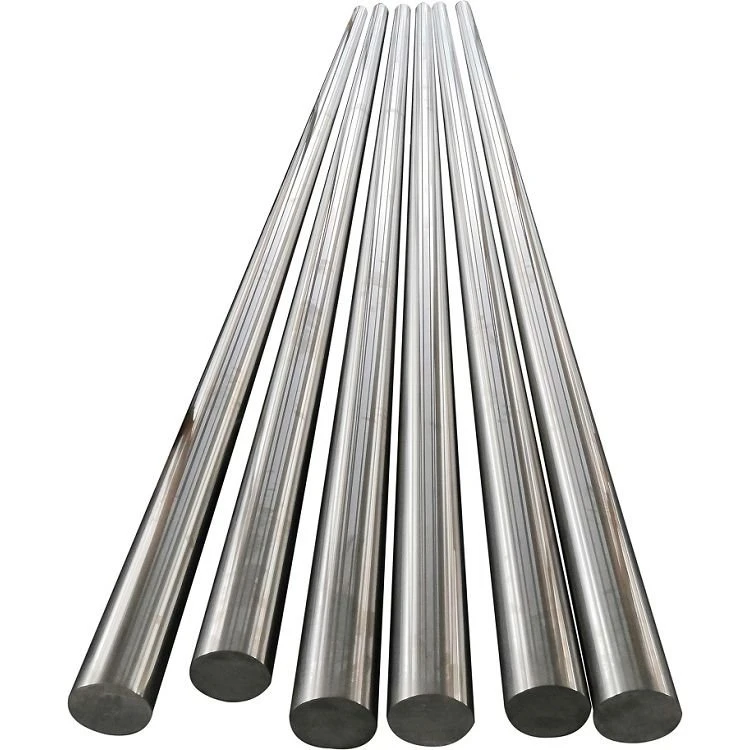
For instance, take the Pump Shaft. A pump shaft is a key component that transfers power from the motor to the impeller. When the temperature rises, the shaft expands. If the expansion isn't accounted for in the design, it can lead to increased stress on the bearings that support the shaft. Over time, this extra stress can cause premature wear and tear on the bearings, leading to costly breakdowns.
On the flip side, when the temperature drops, the shaft contracts. This contraction can create gaps between the shaft and other components like couplings. These gaps can cause misalignment, which in turn can lead to vibrations. And boy, do vibrations spell trouble! They can damage not only the shaft but also other nearby parts of the pump, like the casing.
Material Properties
Temperature also has a big impact on the material properties of pump parts. Different materials react differently to temperature changes.
Metals, which are commonly used in pump parts, can lose their strength at high temperatures. For example, steel, a popular choice for many pump components, starts to lose its tensile strength as the temperature goes up. This means that parts made of steel may deform more easily under pressure when it's hot. If a pump is operating in a high - temperature environment, the impeller, which is often made of steel, might start to warp. A warped impeller won't be able to move fluid as efficiently, reducing the pump's performance.
Plastics, on the other hand, can become brittle at low temperatures. Many pump seals are made of plastic or rubber materials. When it gets cold, these seals can crack. A cracked seal is a disaster waiting to happen because it can lead to leaks. And leaks not only waste the fluid being pumped but can also cause damage to other parts of the pump due to corrosion or contamination.
Lubrication
Lubrication is super important for the smooth operation of pump parts. But temperature can really mess with the effectiveness of lubricants.
At high temperatures, lubricants can thin out. When a lubricant thins, it doesn't provide the same level of protection as it does at normal temperatures. For example, the oil used to lubricate the bearings in a pump may not be able to form a thick enough film between the moving parts. This can result in increased friction, which generates even more heat. It's a vicious cycle that can quickly lead to bearing failure.
In cold temperatures, lubricants can thicken. A thick lubricant has a hard time flowing through the small passages in the pump where it's needed. This can lead to poor lubrication, and again, increased friction and wear on the parts.
Corrosion
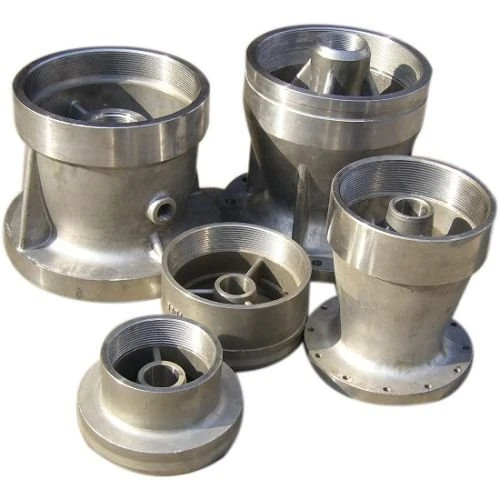
Temperature can also influence the rate of corrosion in pump parts, especially in the case of Sea Water Pump Parts. Sea water is already a harsh environment for pump parts because of its high salt content.
Higher temperatures generally speed up the corrosion process. When the temperature rises, the chemical reactions that cause corrosion occur more rapidly. For sea water pump parts, this means that the metal components, like the impeller and the casing, can corrode faster. Corrosion weakens the parts, making them more prone to failure. It can also roughen the surfaces of the parts, which can disrupt the flow of water through the pump and reduce its efficiency.
Cavitation
Cavitation is another issue related to temperature. Cavitation happens when the pressure of the fluid in the pump drops below its vapor pressure, causing vapor bubbles to form. These bubbles then collapse when they move to a higher - pressure area, creating shock waves that can damage the pump parts.
Temperature affects the vapor pressure of the fluid. As the temperature of the fluid increases, its vapor pressure also increases. This means that it's easier for cavitation to occur at higher temperatures. Cavitation can cause pitting and erosion on the impeller and other internal parts of the pump. Over time, this damage can seriously reduce the pump's performance and lifespan.
Impact on Sealing
Sealing is crucial to prevent leaks in a pump. Temperature can have a significant impact on the effectiveness of seals.
High temperatures can cause seals to lose their elasticity. A seal that has lost its elasticity won't be able to form a tight seal between different parts of the pump. This can lead to leaks, which, as I mentioned earlier, can cause all sorts of problems.
Cold temperatures can make seals hard and brittle. A hard and brittle seal is more likely to crack, also resulting in leaks.
Maintenance and Design Considerations
So, what can we do about all these temperature - related issues? Well, as a pump parts supplier, I know that proper maintenance and design are key.
When it comes to maintenance, regular inspections are a must. You need to check for signs of wear, corrosion, and damage that could be caused by temperature changes. For example, you should look at the bearings for signs of overheating or excessive wear due to thermal expansion. You also need to monitor the lubricant levels and change the lubricant at the right intervals, especially in extreme temperature conditions.
In terms of design, engineers need to take temperature into account from the start. They need to choose materials that can withstand the expected temperature range. For high - temperature applications, they might select heat - resistant metals or ceramics. For low - temperature applications, they can choose materials that remain flexible in the cold.
Conclusion
In conclusion, temperature has a huge impact on pump parts. From thermal expansion and contraction to changes in material properties, lubrication, corrosion, cavitation, and sealing, every aspect of a pump's operation can be affected by temperature.
If you're in the market for high - quality pump parts that can stand up to temperature variations, we're here to help. Whether you need a Pump Shaft or Sea Water Pump Parts, we've got you covered. Reach out to us to discuss your specific requirements and let's work together to find the best solutions for your pumping needs.
References
- "Pump Handbook" by Igor J. Karassik et al.
- "Mechanical Engineering Design" by Joseph E. Shigley and Charles R. Mischke.
- Various industry research papers on pump performance and temperature effects.