As a seasoned supplier in the slurry pump industry, I've witnessed firsthand the remarkable capabilities and advantages of centrifugal slurry pumps. These pumps are the workhorses of many industries, handling the toughest of materials with efficiency and reliability. In this blog, I'll delve into the numerous benefits that make centrifugal slurry pumps a top choice for various applications.
1. High Efficiency
One of the most significant advantages of centrifugal slurry pumps is their high efficiency. These pumps are designed to convert mechanical energy into hydraulic energy with minimal losses. The impeller, a key component of the centrifugal pump, rotates at high speeds, creating a centrifugal force that pushes the slurry outwards from the center of the impeller. This action effectively transfers energy to the slurry, enabling it to flow through the pump and into the pipeline system.
Compared to other types of pumps, centrifugal slurry pumps can handle large volumes of slurry at relatively high flow rates. This high - throughput capacity translates into increased productivity for industrial processes. For example, in a mining operation, where large quantities of ore - laden slurry need to be transported, a centrifugal slurry pump can move the material quickly and efficiently, reducing the time required for processing.
2. Versatility in Application
Centrifugal slurry pumps are incredibly versatile and can be used in a wide range of industries. In the mining industry, they are used to transport abrasive slurries containing minerals such as copper, gold, and coal. The pumps can handle slurries with high solid concentrations and large particle sizes, making them suitable for various mining processes, including grinding, flotation, and tailings disposal.
In the chemical industry, centrifugal slurry pumps are used to transfer corrosive and abrasive chemical slurries. They are made from materials such as stainless steel, rubber, and high - chrome alloys, which can withstand the harsh chemical environments. For example, in a chemical plant that produces fertilizers, the pump can be used to transport slurries containing acids and alkalis.
The power generation industry also relies on centrifugal slurry pumps for handling fly ash slurries. These slurries are by - products of coal - fired power plants, and the pumps are used to safely transport them from the plant to the disposal sites.
3. Simple Design and Easy Maintenance
Centrifugal slurry pumps have a relatively simple design compared to other types of pumps. They consist of a few main components, including the impeller, casing, shaft, and bearings. This simplicity makes them easy to understand, operate, and maintain.
Regular maintenance of a centrifugal slurry pump typically involves checking the impeller for wear, lubricating the bearings, and inspecting the seals. These tasks can be carried out by trained operators with basic tools. Additionally, the parts of a centrifugal slurry pump are readily available, which reduces the downtime in case of a breakdown.
For instance, if the impeller of the pump is worn out, it can be easily replaced with a new one. The modular design of many centrifugal slurry pumps allows for quick disassembly and assembly, enabling maintenance personnel to perform repairs efficiently.
4. Cost - Effective Solution
From an economic perspective, centrifugal slurry pumps offer a cost - effective solution for slurry handling. Their high efficiency means that they consume less energy compared to some other pump types, resulting in lower operating costs over the long term.
The initial purchase cost of a centrifugal slurry pump is also relatively affordable, especially when considering its performance and durability. Moreover, the ease of maintenance and the availability of spare parts further reduce the overall cost of ownership. For small and medium - sized enterprises, this cost - effectiveness can be a crucial factor in choosing a slurry pump.
Types of Centrifugal Slurry Pumps and Their Advantages
There are several types of centrifugal slurry pumps, each with its own set of advantages.
Horizontal Split Casing Centrifugal Pump
The Horizontal Split Casing Centrifugal Pump is well - known for its excellent suction capabilities. It has a casing that is split horizontally, which makes it easy to access the internal components for inspection and maintenance. These pumps are suitable for applications where large flow rates are required, such as in water supply systems and some large - scale industrial processes. The horizontal split design also allows for efficient handling of slurries with varying viscosities.
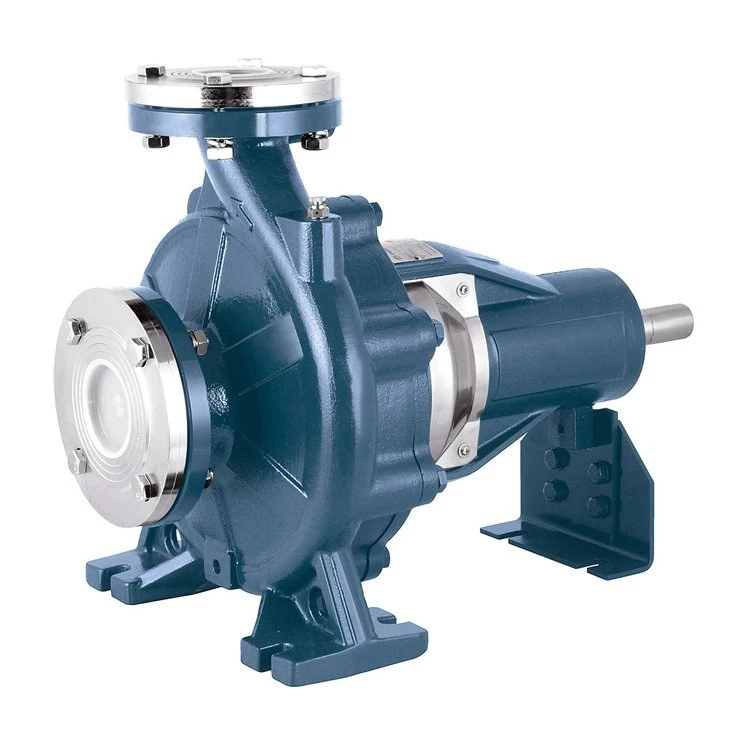
End Suction Centrifugal Pump
The End Suction Centrifugal Pump is a compact and space - saving option. It has a single - stage impeller and is designed for simple installations. These pumps are commonly used in applications where the flow rate and head requirements are not extremely high. They are easy to install and maintain, making them a popular choice for small - scale industrial applications and building services.
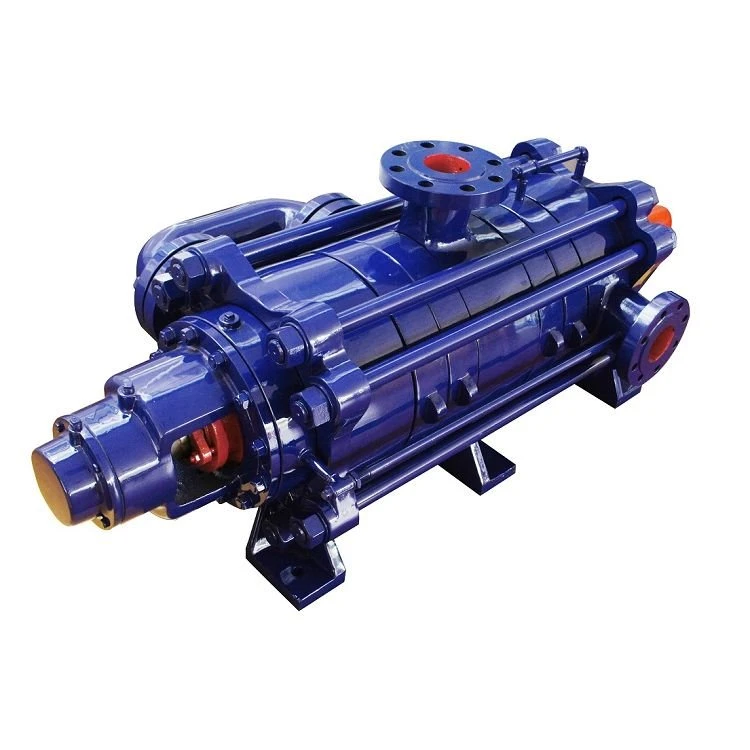
Mine Multistage Centrifugal Pump
The Mine Multistage Centrifugal Pump is specifically designed for the mining industry. It consists of multiple stages, which allows it to generate high heads. This is essential for pumping slurries over long distances and to higher elevations in mining operations. These pumps are also built to withstand the abrasive nature of mining slurries, with features such as wear - resistant impellers and casings.
5. Adaptability to Different Slurry Characteristics
Centrifugal slurry pumps can be customized to adapt to different slurry characteristics. The design and material selection of the pump can be adjusted based on the properties of the slurry, such as its solid concentration, particle size, and corrosiveness.
For slurries with high solid concentrations, pumps with larger impeller diameters and wider flow passages can be used to prevent clogging. In cases where the slurry contains highly abrasive particles, the pump can be lined with wear - resistant materials such as rubber or high - chrome alloys. For corrosive slurries, pumps made from corrosion - resistant materials like stainless steel or special polymers can be employed.
6. Reliable Operation
Centrifugal slurry pumps are known for their reliable operation. They are built to withstand the harsh conditions of slurry handling, including high pressures, abrasive materials, and variable flow rates. The materials used in the construction of these pumps are carefully selected to ensure long - term durability.
Modern centrifugal slurry pumps are also equipped with advanced monitoring and control systems. These systems can detect issues such as overheating, excessive vibration, and low flow rates, allowing operators to take preventive action before a major breakdown occurs. This reliability is crucial for industries where continuous operation is essential, such as mining, power generation, and chemical processing.
Contact for Purchase and Negotiation
If you're in the market for a centrifugal slurry pump, I encourage you to reach out. Our team of experts can provide you with detailed information about the different types of pumps we offer, help you select the most suitable pump for your specific application, and discuss the best pricing and terms for your purchase. Don't hesitate to get in touch to start the negotiation process and bring a high - quality centrifugal slurry pump to your operations.
References
- Hydraulic Institute. (2016). ANSI/HI 1.1 - 1.6 - 2016 Rotodynamic Pumps - Centrifugal, Vertical Turbine.
- Gulich, J. F. (2010). Centrifugal Pumps (2nd ed.). Springer.
- API 610. (2019). Centrifugal Pumps for General Refinery Service. American Petroleum Institute.