Selecting the right motor for a sea water pump is a crucial decision that can significantly impact the efficiency, reliability, and longevity of your pumping system. As a seasoned sea water pump supplier, I understand the complexities involved in this process and am here to guide you through the key considerations to ensure you make an informed choice.
Understanding the Demands of Sea Water Pumps
Sea water pumps are designed to handle the unique challenges posed by saltwater environments. These challenges include corrosion, high salinity, and the presence of abrasive particles. Therefore, the motor selected for a sea water pump must be able to withstand these harsh conditions while delivering the required performance.
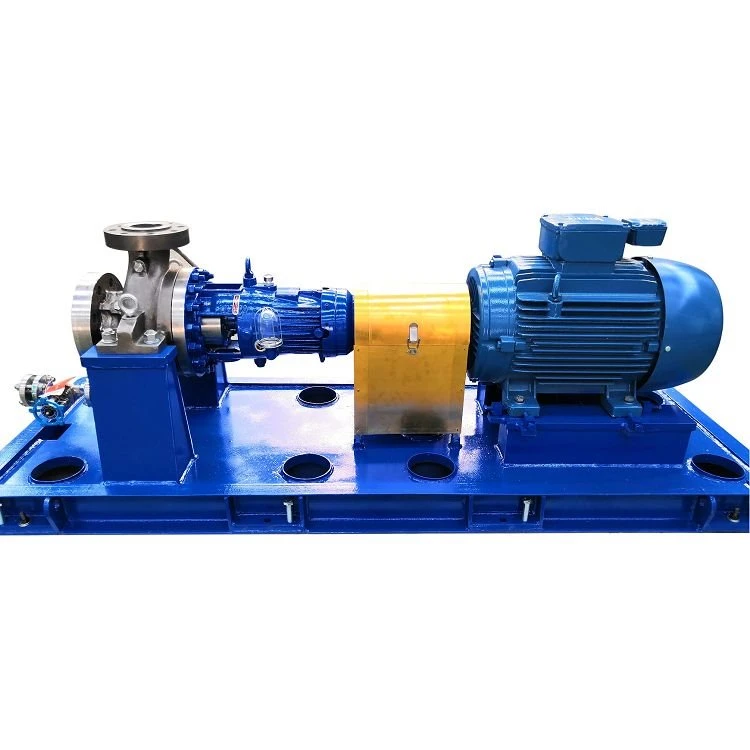
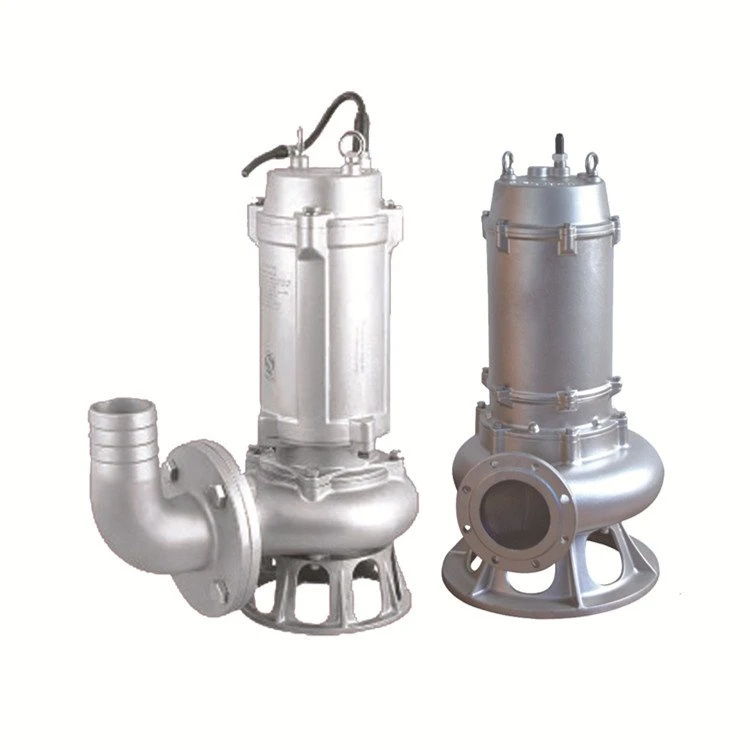
One of the primary factors to consider is the type of sea water pump you are using. There are several types of sea water pumps available, each with its own specific requirements. For example, Submersible Sea Water Pump are designed to be submerged in water, which means the motor must be waterproof and able to operate efficiently in a wet environment. On the other hand, Centrifugal Sea Water Pump rely on centrifugal force to move water and require a motor that can provide high rotational speeds.
Key Considerations When Selecting a Motor
Power Requirements
The power requirements of your sea water pump will depend on several factors, including the flow rate, head pressure, and efficiency of the pump. It is essential to accurately calculate the power needed to ensure the motor can handle the load without overheating or experiencing premature wear.
To determine the power requirements, you can use the following formula:
Power (kW) = (Flow Rate (m³/h) x Head Pressure (m) x Density of Sea Water (kg/m³) x Gravity (m/s²)) / (3600 x Pump Efficiency)
It is important to note that this formula provides an estimate, and it is recommended to consult with a professional engineer or pump manufacturer to ensure accurate calculations.
Motor Type
There are several types of motors available for sea water pumps, each with its own advantages and disadvantages. The most common types include:
- AC Motors: AC motors are widely used in sea water pumps due to their simplicity, reliability, and cost-effectiveness. They are available in various sizes and power ratings, making them suitable for a wide range of applications.
- DC Motors: DC motors are typically used in applications where precise control of the motor speed is required. They are often used in submersible sea water pumps, as they can operate efficiently in a wet environment.
- Brushless DC Motors: Brushless DC motors offer several advantages over traditional DC motors, including higher efficiency, longer lifespan, and lower maintenance requirements. They are becoming increasingly popular in sea water pump applications.
Corrosion Resistance
As mentioned earlier, sea water is highly corrosive, which means the motor selected for a sea water pump must be able to withstand the effects of corrosion. Look for motors that are made from corrosion-resistant materials, such as stainless steel or aluminum, and have a protective coating to prevent rust and corrosion.
Environmental Conditions
The environmental conditions in which the sea water pump will operate will also play a role in the selection of the motor. For example, if the pump is located in an area with high humidity or extreme temperatures, you may need to choose a motor that is designed to operate in these conditions.
Motor Efficiency
The efficiency of the motor is an important consideration, as it can have a significant impact on the operating costs of your sea water pump. Look for motors with high efficiency ratings, as they will consume less energy and reduce your electricity bills.
Additional Considerations
Motor Protection
To ensure the longevity and reliability of your sea water pump motor, it is important to provide adequate protection against overheating, overload, and short circuits. Look for motors that are equipped with built-in protection features, such as thermal overload protection and short circuit protection.
Maintenance Requirements
Regular maintenance is essential to keep your sea water pump motor in good working condition. Look for motors that are easy to maintain and have accessible components for inspection and repair.
Cost
The cost of the motor is an important consideration, but it should not be the only factor. It is important to balance the cost of the motor with its performance, reliability, and longevity to ensure you get the best value for your money.
Conclusion
Selecting the right motor for a sea water pump is a critical decision that requires careful consideration of several factors. By understanding the demands of sea water pumps, considering the key factors outlined above, and consulting with a professional engineer or pump manufacturer, you can ensure you choose a motor that will provide reliable, efficient, and long-lasting performance.
If you have any questions or need further assistance in selecting the right motor for your sea water pump, please do not hesitate to contact us. Our team of experts is here to help you make the best decision for your specific application. We look forward to the opportunity to discuss your requirements and provide you with a customized solution.
References
- Pump Handbook, 4th Edition, by Igor Karassik et al.
- Electrical Motor Handbook, 3rd Edition, by T. A. Lipo.
- Corrosion Resistance of Metals and Alloys, by George S. Frankel.