Hey there! As a supplier of Pump Control Panel, I've seen firsthand the game - changing benefits these panels bring to the table. In this blog, I'll dive into all the advantages of using a pump control panel in various applications.
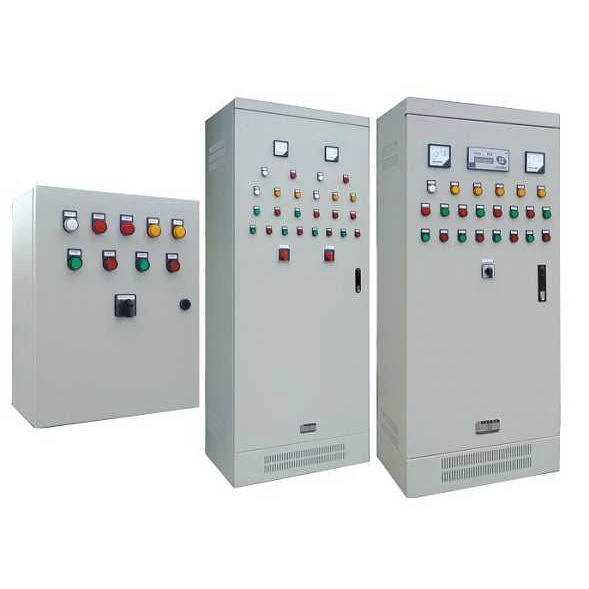
Let's start with the basics. What exactly is a pump control panel? Well, it's a device that manages and regulates the operation of pumps. You can think of it as the 'brain' of your pumping system, ensuring everything runs smoothly and efficiently.
1. Enhanced Efficiency
One of the biggest perks of using a pump control panel is the significant boost in efficiency it offers. These panels are designed to precisely control the speed and output of pumps. By adjusting the pump's operation according to the actual demand, you can avoid over - pumping or under - pumping.
For example, in a water supply system, the demand for water varies throughout the day. With a pump control panel, the pump can automatically increase its output during peak hours (like morning and evening when people are using more water for showers, cooking, etc.) and reduce it during off - peak times. This not only saves energy but also reduces wear and tear on the pump itself. You're using just the right amount of power at the right time, which means lower energy bills and a longer lifespan for your pump.
2. Improved Reliability
Reliability is crucial when it comes to pumping systems. A pump control panel can enhance the reliability of your pumps in several ways. First off, it can monitor the pump's performance in real - time. If it detects any issues such as a drop in pressure, an abnormal temperature, or a motor overload, it can take immediate action.
For instance, if the pump motor starts to overheat, the control panel can automatically shut down the pump to prevent damage. It can also send an alert to the operator, allowing for quick troubleshooting. This proactive approach means fewer breakdowns and less downtime, which is a huge advantage for industries that rely on continuous pumping operations, like agriculture or manufacturing.
3. Precise Control
Pump control panels offer a high level of precision when it comes to controlling pump operations. They can be programmed to maintain a specific pressure, flow rate, or water level. This level of accuracy is essential in many applications.
In a chemical processing plant, for example, accurate control of the flow rate of chemicals is crucial for the quality and safety of the manufacturing process. A pump control panel can ensure that the exact amount of chemicals is pumped at the right time, every time. Similarly, in a wastewater treatment plant, the panel can regulate the pumps to maintain the optimal water level in different treatment tanks, ensuring efficient treatment.
4. Automation
Automation is another major advantage of using a pump control panel. Once programmed, the panel can operate the pumps automatically without the need for constant manual supervision. This is a huge time - saver, especially in large - scale operations.
For a commercial building's water supply system, the pump control panel can be set to operate the pumps based on occupancy sensors or pre - set schedules. During business hours, it can ensure a continuous supply of water, and at night or on weekends, it can reduce pump operation to save energy. In the agricultural sector, irrigation pumps can be automated to water crops at specific times and in specific amounts, based on factors like soil moisture levels and weather conditions.
5. Safety
Safety is paramount in any pumping application, and pump control panels play a vital role in ensuring it. They have built - in safety features such as emergency stop buttons, overload protection, and ground fault protection. These features protect both the pump and the operators from potential hazards.
In an industrial setting, where pumps may handle hazardous substances like chemicals or oil, the control panel's safety features can prevent leaks, spills, and other accidents. If there's a problem with the pump, the panel can quickly shut off the power, reducing the risk of fire, explosion, or environmental contamination.
6. Remote Monitoring and Control
In today's digital age, the ability to monitor and control pumps remotely is a big plus. Many modern pump control panels come with remote monitoring capabilities, allowing operators to check the pump's status, receive alerts, and even make adjustments from anywhere in the world using a smartphone, tablet, or computer.
This is extremely useful for facilities that are located in remote areas or for operators who need to manage multiple pumping systems from a central location. For example, a water utility company can monitor and control water pumps at different water treatment plants and pumping stations across a large region. This not only improves operational efficiency but also allows for quick response to any issues that may arise.
7. Cost - Effectiveness
When you consider all the benefits mentioned above, it's clear that using a pump control panel is a cost - effective solution in the long run. The energy savings, reduced maintenance costs, and improved productivity can offset the initial investment in the control panel.
By reducing energy consumption, you're cutting down on your electricity bills. The lower wear and tear on pumps mean fewer repairs and replacements, saving you money on maintenance and equipment costs. And the increased productivity from more reliable and efficient pump operations can lead to higher revenues for your business.
8. Compatibility and Flexibility
Pump control panels are designed to be compatible with a wide range of pumps, regardless of their size, type, or application. Whether you're using a small domestic water pump or a large industrial pump, there's a control panel that can meet your needs.
Moreover, these panels are highly flexible. They can be customized to suit specific requirements. You can add or remove features, change the programming, or integrate them with other control systems in your facility. This flexibility makes pump control panels suitable for a variety of industries and applications.
Wrapping Up and Invitation
So, there you have it - all the amazing advantages of using a pump control panel. Whether you're looking to improve efficiency, enhance reliability, or increase safety in your pumping system, a control panel is a great investment.
If you're interested in learning more about our Pump Control Panel and how it can benefit your specific application, don't hesitate to reach out. We're here to answer all your questions and help you find the perfect solution for your needs. Let's start a conversation and see how we can work together to optimize your pumping operations!
References
- "Pump Handbook" by Igor J. Karassik et al.
- "Control Systems Engineering" by Norman S. Nise.