Flowability is a critical aspect when it comes to casting ductile iron. As a ductile iron casting supplier, I've witnessed firsthand how the flowability of molten ductile iron can make or break a casting project. In this blog, I'll share what flowability is, what factors affect it, and how it impacts the overall quality of the castings we produce.
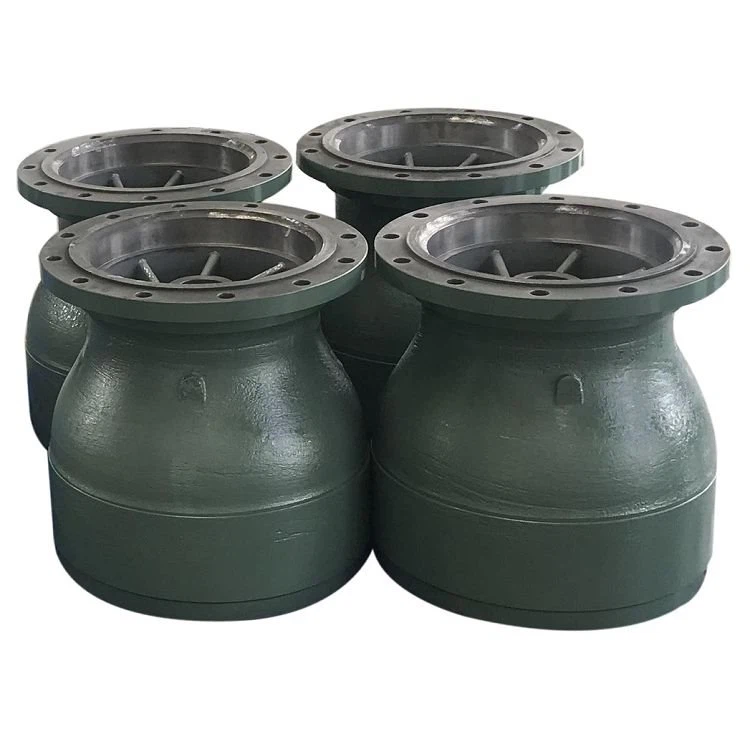
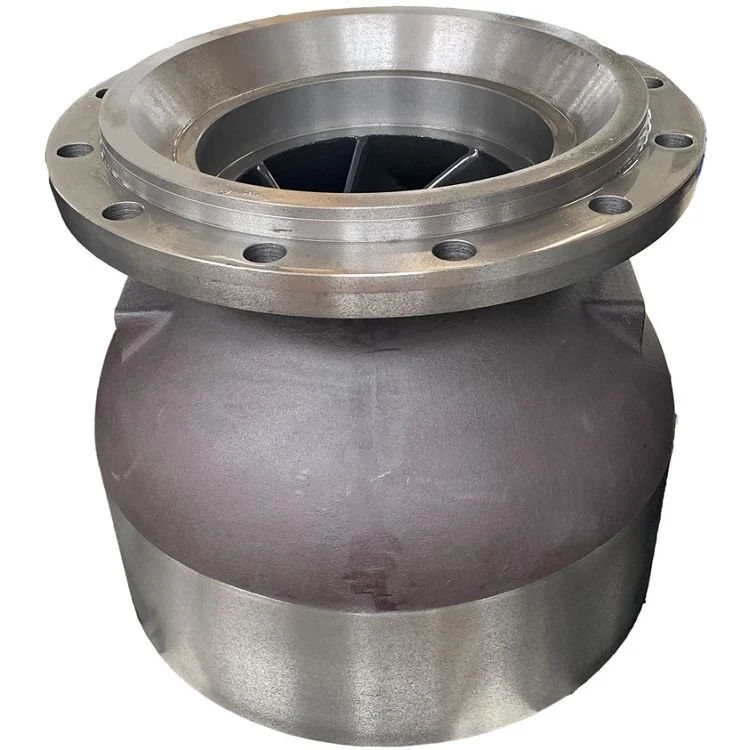
Let's start with the basics. What exactly is the flowability of molten ductile iron during casting? Simply put, flowability refers to how easily the molten iron can flow through the mold during the casting process. It's like how water flows through a pipe; if the flow is smooth and unobstructed, everything goes well. But if there are blockages or restrictions, it can cause problems.
When the molten ductile iron has good flowability, it can fill every nook and cranny of the mold precisely. This results in castings that have a well - defined shape, accurate dimensions, and few defects. On the other hand, poor flowability can lead to incomplete filling of the mold, creating voids, cold shuts, or misruns in the final cast part.
Several factors can influence the flowability of molten ductile iron. One of the most significant factors is temperature. Higher temperatures generally mean better flowability. When the iron is highly molten, its viscosity is lower, and it can flow more freely. Think of honey; when it's heated, it flows much more easily and quickly than when it's cold. In the same way, we need to keep the molten ductile iron at an optimal temperature to ensure good flow. However, there's a catch. If the temperature is too high, it can cause other issues like increased shrinkage, slag formation, and even damage to the mold.
The chemical composition of the ductile iron also plays a huge role. Elements such as carbon, silicon, and manganese have different effects on the flowability. For example, an appropriate amount of carbon can increase the fluidity of the molten iron. Silicon, while it helps in graphitization, can also affect flow. If the percentage of these elements is not right, it can disrupt the flow of the molten metal in the mold.
The design of the mold is yet another crucial factor. The thickness of the walls, the presence of sharp corners, and the overall complexity of the mold shape can all impact how well the molten ductile iron flows. If the walls are too thin, the iron may solidify before it can completely fill the mold. Sharp corners can cause the metal flow to slow down or even stop, leading to defects. A well - designed mold takes into account the flow characteristics of the molten iron and allows for a smooth and continuous flow.
As a ductile iron casting supplier, we've seen how important flowability is for different types of castings. Take Wear Resistant Pump Parts for example. These parts often have complex shapes with small channels and intricate details. Good flowability of the molten ductile iron is essential to ensure that these parts are cast accurately and without any internal defects. If the flow is poor, the pump parts may not function properly, leading to reduced efficiency or even premature failure.
In the case of Cast Iron Casting, flowability also matters a great deal. Cast iron castings can vary widely in size and shape, from small components to large industrial parts. Whether it's a small decorative piece or a large structural part, the ability of the molten iron to flow evenly through the mold is key to producing high - quality castings.
Our Ductile Iron Casting services rely heavily on controlling the flowability of the molten iron. We use state - of - the - art equipment and techniques to measure and adjust the temperature of the molten metal accurately. We also conduct thorough chemical analyses to ensure that the composition of the ductile iron is within the optimal range. When it comes to mold design, our experienced engineers use advanced software to simulate the flow of the molten iron and optimize the mold design accordingly.
Maintaining good flowability during the casting process is an ongoing challenge. We constantly monitor and adjust the variables to make sure that the molten ductile iron flows as smoothly as possible. This attention to detail is what sets our castings apart from others in the market. We understand that the quality of our products depends on how well we manage the flowability of the molten iron.
Now, let me talk about how flowability affects the cost and lead time of a casting project. When the flowability is right, the casting process is more efficient. There are fewer defects, which means less rework and scrap. This directly translates into cost savings for our customers. Additionally, since the casting process is smoother, the lead time is reduced. We can deliver high - quality castings in a shorter period, which is a huge advantage in today's competitive market.
If you're in the market for ductile iron castings, whether it's for Wear Resistant Pump Parts, Cast Iron Casting or any other application, we're here to help. Our team of experts has years of experience in managing the flowability of molten ductile iron to produce the best - quality castings. We can work with you to understand your specific requirements and provide you with customized solutions.
Don't hesitate to reach out to us for a quote or to discuss your project in more detail. We're eager to start a conversation and see how we can support your casting needs.
References
- Campbell, J. (2003). Casting. Butterworth - Heinemann.
- Flemings, M. C. (1974). Solidification Processing. McGraw - Hill.
- Samuel, A. M., & Samuel, F. H. (2013). Aluminum Alloys: Structures and Properties. Woodhead Publishing.