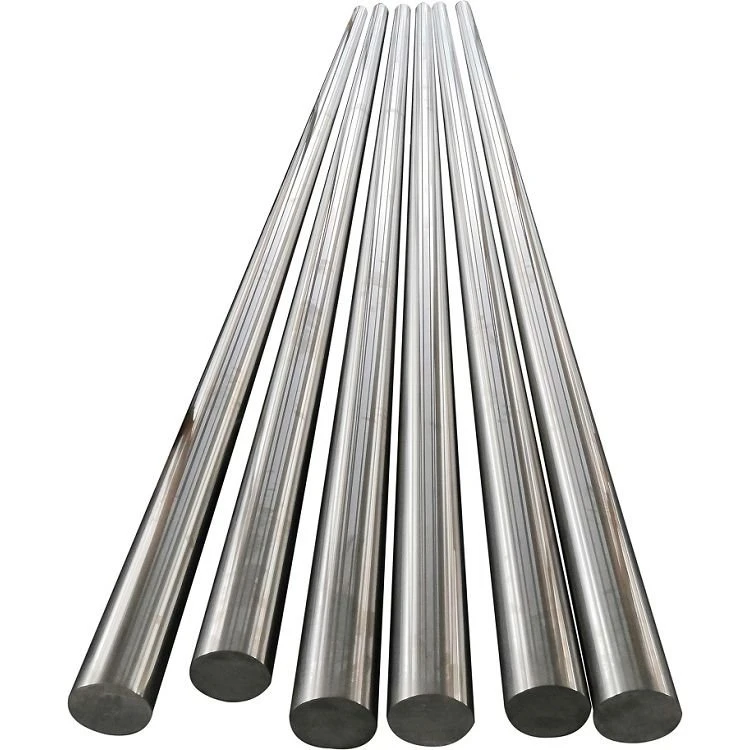
Hey there! As a supplier of Pump Shaft, I've seen firsthand the importance of proper pump shaft alignment. It's not just a technical detail; it's the key to ensuring your pumps run smoothly, efficiently, and last a long time. In this blog, I'll walk you through the different alignment methods for a pump shaft, so you can make the best choice for your needs.
Why Alignment Matters
Before we dive into the methods, let's talk about why alignment is so crucial. When a pump shaft is misaligned, it can cause a whole host of problems. First off, it puts extra stress on the bearings and seals, which can lead to premature wear and tear. This means you'll have to replace these parts more often, which can be costly and time-consuming.
Misalignment can also cause vibration and noise. These vibrations can not only be annoying but can also damage other components in the pump system. Over time, this can lead to decreased efficiency, increased energy consumption, and even complete pump failure. So, getting the alignment right from the start can save you a lot of headaches (and money) down the road.
Visual Alignment
The simplest and most basic method of pump shaft alignment is visual alignment. This method involves using your eyes to line up the pump shaft with the motor shaft. It's a quick and easy way to get a rough idea of the alignment, but it's not very accurate.
To do visual alignment, you'll need to remove the coupling guards and look at the shafts. You're looking for any obvious signs of misalignment, such as a visible gap between the shafts or a difference in height. If you see any issues, you can try to adjust the position of the pump or the motor to get the shafts closer to alignment.
While visual alignment can be useful in a pinch, it's not suitable for most applications. It's difficult to achieve the level of precision needed for optimal pump performance just by looking at the shafts. That's why most professionals use more advanced alignment methods.
Straight Edge Alignment
Straight edge alignment is a step up from visual alignment. It involves using a straight edge, which is a long, flat piece of metal, to check the alignment of the shafts. This method is more accurate than visual alignment but still has its limitations.
To perform straight edge alignment, you'll need to place the straight edge across the coupling faces of the pump and motor shafts. You're looking for any gaps between the straight edge and the coupling faces. If there are gaps, it means the shafts are misaligned.
You can then adjust the position of the pump or the motor to eliminate the gaps. This can be done by loosening the mounting bolts and moving the pump or motor slightly. Once you've made the adjustments, you'll need to check the alignment again to make sure it's correct.
While straight edge alignment is more accurate than visual alignment, it's still not as precise as some of the other methods. It can be difficult to detect small amounts of misalignment, especially if the shafts are close to being in alignment already.
Dial Indicator Alignment
Dial indicator alignment is a more advanced method that uses a dial indicator to measure the alignment of the shafts. A dial indicator is a precision instrument that can measure small distances with high accuracy.
To perform dial indicator alignment, you'll need to mount the dial indicator on the coupling of one of the shafts. You'll then rotate the shafts together and take readings from the dial indicator. The readings will tell you how much the shafts are misaligned in terms of angular and parallel misalignment.
Based on the readings, you can make adjustments to the position of the pump or the motor to correct the alignment. This method is much more accurate than visual or straight edge alignment and is suitable for most applications.
However, dial indicator alignment requires some skill and experience to perform correctly. It can also be time-consuming, especially if the misalignment is severe.
Laser Alignment
Laser alignment is the most accurate and advanced method of pump shaft alignment. It uses lasers to measure the alignment of the shafts with extreme precision.
To perform laser alignment, you'll need to mount laser transmitters and receivers on the coupling of the pump and motor shafts. The lasers will emit a beam of light that is detected by the receivers. The receivers will then send the data to a computer or a handheld device, which will calculate the alignment of the shafts.
Based on the calculations, the device will tell you how much you need to adjust the position of the pump or the motor to achieve perfect alignment. This method is extremely accurate and can detect even the smallest amounts of misalignment.
Laser alignment is also very fast and easy to use. It can save you a lot of time and effort compared to other alignment methods. However, it can be expensive to purchase the laser alignment equipment, so it may not be suitable for all budgets.
Choosing the Right Alignment Method
So, which alignment method should you choose? The answer depends on a few factors, including the type of pump, the application, and your budget.
If you're working on a small, low-cost pump and you just need a rough idea of the alignment, visual or straight edge alignment may be sufficient. These methods are quick and easy to perform and don't require any special equipment.
However, if you're working on a large, high-performance pump or if you need a high level of precision, you'll want to use dial indicator or laser alignment. These methods are more accurate and can ensure optimal pump performance.
Conclusion
Proper pump shaft alignment is essential for the smooth and efficient operation of your pumps. There are several alignment methods available, each with its own advantages and disadvantages. By choosing the right alignment method for your needs, you can ensure that your pumps last longer, run more efficiently, and require less maintenance.
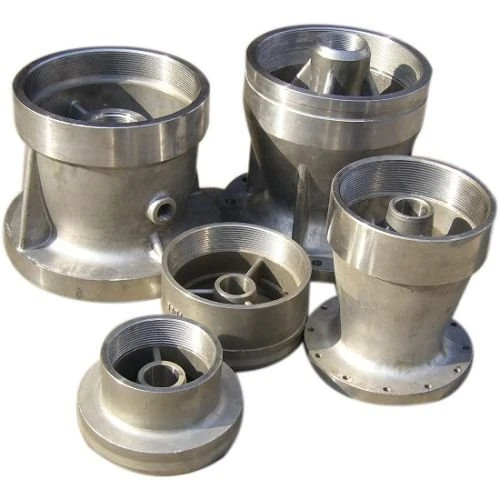
If you're in the market for Pump Shaft or Sea Water Pump Parts, or if you have any questions about pump shaft alignment, don't hesitate to reach out. I'm here to help you find the best solutions for your pumping needs.
References
- "Pump Shaft Alignment: A Practical Guide" by John Smith
- "Advanced Pump Alignment Techniques" by Jane Doe