When it comes to the efficient and reliable operation of pumps, the alignment of the pump shaft is a critical factor. As a seasoned Pump Shaft [/pump-parts/pump-shaft.html] supplier, I've witnessed firsthand the impact that proper shaft alignment can have on pump performance, longevity, and overall system efficiency. In this blog post, I'll delve into the alignment requirements for a pump shaft, exploring the various aspects that need to be considered to ensure optimal operation.
Why is Pump Shaft Alignment Important?
Before we dive into the specific alignment requirements, it's essential to understand why proper shaft alignment is so crucial. Misaligned pump shafts can lead to a host of problems, including increased vibration, premature wear and tear on bearings and seals, reduced pump efficiency, and even catastrophic pump failure. These issues not only result in costly repairs and downtime but can also have a significant impact on the overall productivity and profitability of your operations.
Proper shaft alignment helps to minimize these risks by ensuring that the pump and motor shafts are perfectly aligned, allowing for smooth and efficient power transmission. This reduces stress on the pump components, extends their service life, and improves the overall reliability and performance of the pump system.
Types of Pump Shaft Misalignment
There are two main types of pump shaft misalignment: angular misalignment and parallel misalignment.
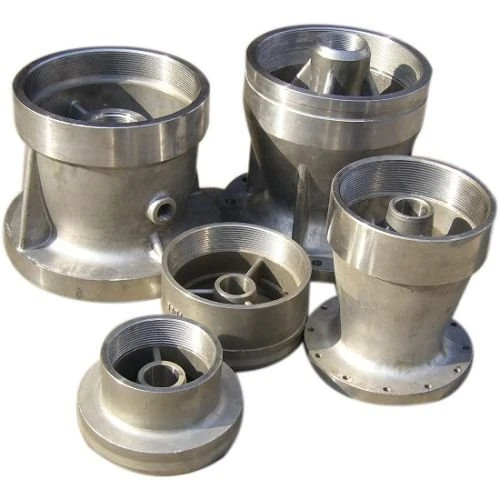
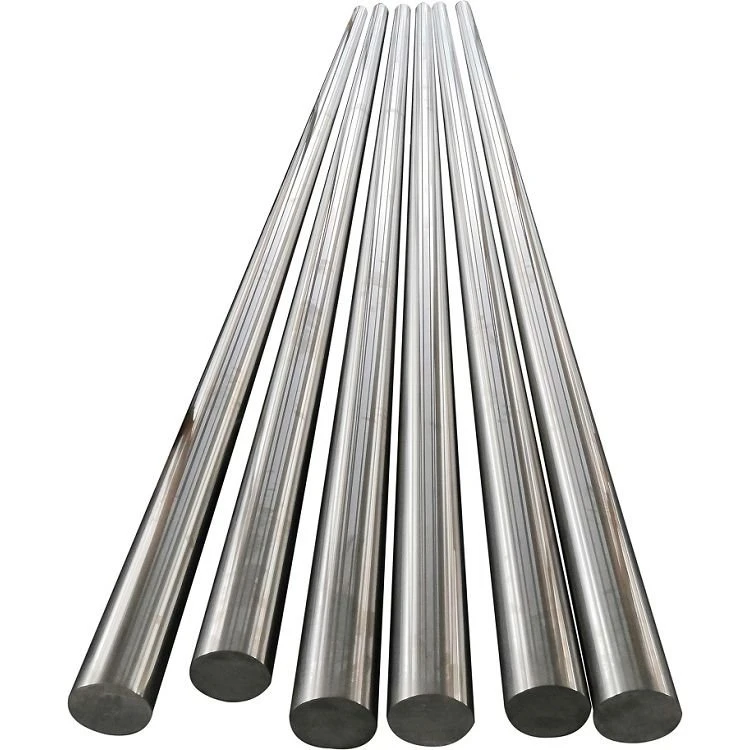
- Angular Misalignment: This occurs when the axes of the pump and motor shafts are not parallel, but rather intersect at an angle. Angular misalignment can be caused by a variety of factors, including improper installation, thermal expansion, and foundation settlement.
- Parallel Misalignment: Also known as offset misalignment, parallel misalignment occurs when the axes of the pump and motor shafts are parallel but offset from each other. This can be caused by similar factors as angular misalignment, as well as wear and tear on the coupling components.
Both types of misalignment can have a significant impact on pump performance and reliability, and it's essential to address them promptly to prevent further damage.
Alignment Requirements for a Pump Shaft
To ensure proper pump shaft alignment, several key requirements need to be met. These requirements can be broadly categorized into three main areas: installation, maintenance, and monitoring.
Installation Requirements
- Proper Foundation: The pump and motor should be installed on a solid and level foundation to prevent misalignment due to foundation settlement. The foundation should be able to support the weight of the pump and motor and provide adequate vibration isolation.
- Correct Coupling Selection: The coupling used to connect the pump and motor shafts plays a crucial role in shaft alignment. It's essential to select a coupling that is suitable for the specific application and can accommodate the expected levels of misalignment.
- Precise Alignment during Installation: During the installation process, the pump and motor shafts should be aligned as precisely as possible. This typically involves using alignment tools such as laser alignment systems or dial indicators to ensure that the shafts are within the specified tolerance limits.
Maintenance Requirements
- Regular Inspection and Maintenance: Regular inspection and maintenance of the pump and motor components are essential to detect and address any signs of misalignment early on. This includes checking the coupling for wear and damage, inspecting the bearings and seals for signs of wear, and monitoring the vibration levels of the pump.
- Proper Lubrication: Proper lubrication of the bearings and seals is crucial to ensure smooth operation and prevent premature wear. It's important to follow the manufacturer's recommendations for lubrication intervals and use the appropriate lubricants.
- Alignment Checks after Maintenance or Repairs: After any maintenance or repair work is performed on the pump or motor, it's essential to check the shaft alignment to ensure that it has not been affected. This includes realigning the shafts if necessary to restore proper operation.
Monitoring Requirements
- Vibration Monitoring: Vibration monitoring is a valuable tool for detecting and diagnosing pump shaft misalignment. By monitoring the vibration levels of the pump, it's possible to detect any changes in vibration patterns that may indicate misalignment or other problems.
- Temperature Monitoring: Temperature monitoring can also provide valuable insights into the condition of the pump and motor components. Elevated temperatures can be a sign of increased friction and wear, which may be caused by misalignment.
- Performance Monitoring: Monitoring the performance of the pump, such as flow rate, pressure, and power consumption, can also help to detect any changes in pump operation that may be due to misalignment.
Impact of Misalignment on Pump Performance
Misaligned pump shafts can have a significant impact on pump performance in several ways.
- Increased Vibration: Misalignment causes the pump and motor shafts to vibrate excessively, which can lead to increased stress on the pump components and premature wear and tear.
- Reduced Efficiency: Misalignment can also reduce the efficiency of the pump by increasing the amount of energy required to drive the pump. This results in higher operating costs and reduced overall system efficiency.
- Premature Wear and Tear: The increased vibration and stress caused by misalignment can lead to premature wear and tear on the bearings, seals, and other pump components. This can result in frequent breakdowns and costly repairs.
- Pump Failure: In severe cases, misaligned pump shafts can lead to catastrophic pump failure, which can have a significant impact on the productivity and profitability of your operations.
Choosing the Right Pump Shaft and Components
As a Pump Shaft supplier, I understand the importance of choosing the right pump shaft and components for your specific application. When selecting a pump shaft, it's essential to consider factors such as the pump type, operating conditions, and required performance.
- Material Selection: The material used for the pump shaft should be selected based on the specific application requirements. Common materials for pump shafts include stainless steel, carbon steel, and alloy steel, each with its own unique properties and advantages.
- Shaft Design: The design of the pump shaft should be optimized to ensure maximum strength and durability. This includes factors such as shaft diameter, length, and keyway design.
- Component Compatibility: It's important to ensure that the pump shaft is compatible with the other components of the pump system, such as the coupling, bearings, and seals. This will help to ensure proper operation and prevent premature wear and tear.
In addition to the pump shaft, it's also important to choose high-quality Sea Water Pump Parts [/pump-parts/sea-water-pump-parts.html] if your application involves pumping seawater. Seawater is a highly corrosive medium, and using the wrong materials or components can lead to rapid corrosion and failure of the pump.
Conclusion
Proper pump shaft alignment is essential for the efficient and reliable operation of pumps. By understanding the alignment requirements and following the best practices outlined in this blog post, you can ensure that your pump system operates at its optimal performance and minimize the risk of costly breakdowns and downtime.
As a Pump Shaft supplier, I'm committed to providing high-quality products and services to help you meet your pump shaft alignment needs. If you have any questions or need assistance with pump shaft alignment or the selection of pump parts, please don't hesitate to contact me. I'm here to help you find the right solutions for your specific application.
References
- "Pump Shaft Alignment: Best Practices and Guidelines," Pump Industry Magazine
- "The Importance of Proper Shaft Alignment in Pump Systems," Fluid Handling Journal
- "Vibration Monitoring for Pump Shaft Alignment," Condition Monitoring and Diagnostic Techniques