Hey there! As a supplier of pump casting, I often get asked about the corrosion resistance requirements for pump casting. It's a crucial topic because corrosion can significantly impact the performance and lifespan of pumps. In this blog, I'll share some insights on what these requirements are and why they matter.
First off, let's understand what corrosion is. Corrosion is basically the natural process of a material deteriorating due to chemical reactions with its environment. For pump castings, this can be a real headache. Pumps are often used in various harsh environments, like in the chemical industry, water treatment plants, and marine applications. In these places, the fluids they handle can be highly corrosive, such as acids, alkalis, and saltwater.
So, what are the corrosion resistance requirements for pump casting? Well, it depends on a few factors.
1. The Type of Fluid Handled
One of the most important factors is the type of fluid the pump will be handling. If it's just clean water, the corrosion resistance requirements might not be as high. But if it's a corrosive chemical, like hydrochloric acid or sulfuric acid, then the pump casting needs to be able to withstand the aggressive nature of these substances.
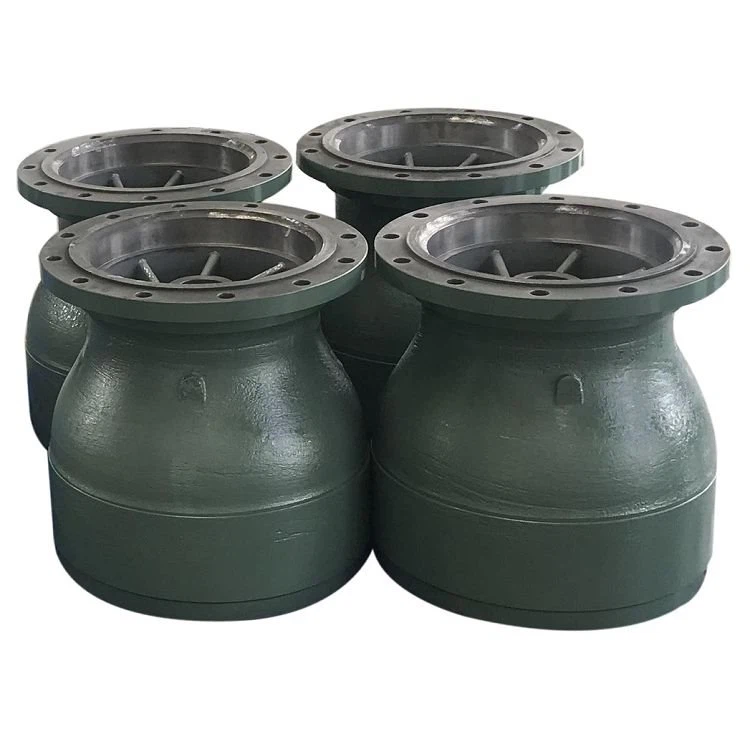
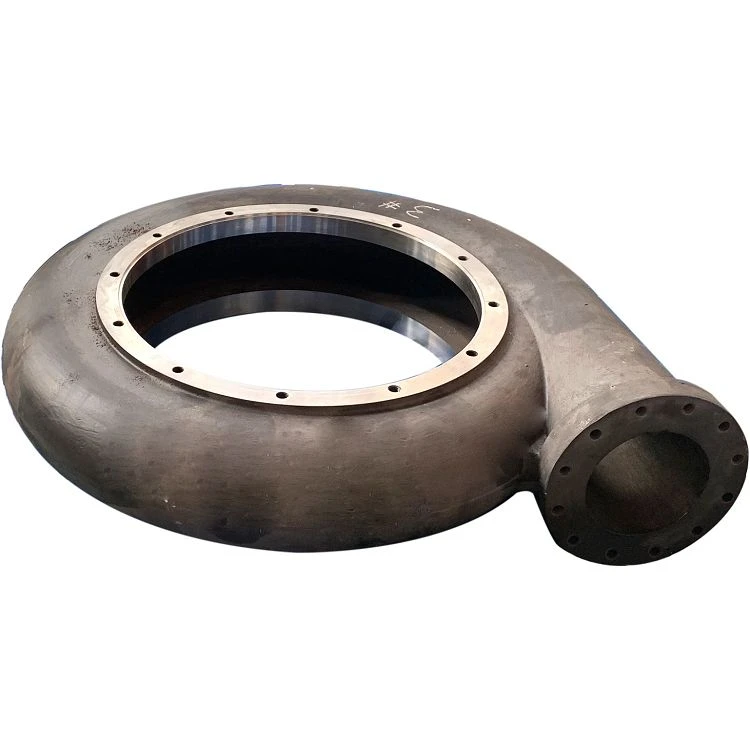
For example, in the chemical industry, pumps are used to transfer all sorts of chemicals. Stainless steel is a popular choice for pump castings in such environments because it has excellent corrosion resistance. You can check out our Stainless Steel Pump Casting for more details. Stainless steel contains chromium, which forms a passive oxide layer on the surface of the metal. This layer acts as a barrier, preventing further corrosion.
On the other hand, if the pump is used in a water treatment plant to handle chlorinated water, the casting needs to resist the corrosive effects of chlorine. Ductile iron can be a good option in some cases. Ductile iron has better corrosion resistance than regular cast iron. You can learn more about Ductile Iron Casting on our website.
2. The Operating Environment
The operating environment also plays a big role in determining the corrosion resistance requirements. Pumps used in marine applications, for instance, are constantly exposed to saltwater. Saltwater is highly corrosive due to the presence of various salts and minerals. In this case, the pump casting needs to be able to resist the corrosion caused by saltwater.
Some materials are specifically designed for marine environments. They have special coatings or alloy compositions that enhance their corrosion resistance. For example, certain types of stainless steel alloys are formulated to have better resistance to pitting and crevice corrosion, which are common forms of corrosion in saltwater.
3. The Desired Lifespan of the Pump
Another factor to consider is the desired lifespan of the pump. If you want the pump to last for a long time, you'll need to choose a casting material with higher corrosion resistance. A pump that corrodes quickly will need to be replaced more frequently, which can be costly in terms of both the replacement parts and the downtime.
For example, if you're running a large industrial facility, you don't want your pumps to fail frequently. You'll want to invest in high - quality pump castings that can withstand corrosion for many years. This is where wear - resistant and corrosion - resistant materials come in handy. You can take a look at our Wear Resistant Pump Parts which are designed to have a long lifespan even in harsh environments.
How to Ensure Corrosion Resistance
Now that we know the factors affecting corrosion resistance requirements, how can we ensure that the pump casting meets these requirements?
Material Selection
As mentioned earlier, choosing the right material is crucial. Different materials have different levels of corrosion resistance. Besides stainless steel and ductile iron, there are also other materials like bronze and nickel - based alloys that can be used for pump castings depending on the specific requirements.
Surface Treatment
Surface treatment is another important aspect. Applying a protective coating to the pump casting can significantly improve its corrosion resistance. Coatings can act as a barrier between the casting and the corrosive environment. There are various types of coatings available, such as epoxy coatings, polyurethane coatings, and ceramic coatings.
Design Considerations
The design of the pump casting can also affect its corrosion resistance. For example, avoiding sharp corners and crevices in the design can reduce the likelihood of corrosion. Sharp corners and crevices can trap corrosive fluids, leading to localized corrosion. A well - designed pump casting should have smooth surfaces and proper drainage to prevent the accumulation of corrosive substances.
Why Choose Our Pump Castings
As a pump casting supplier, we understand the importance of corrosion resistance. We have a wide range of pump castings made from different materials to meet various corrosion resistance requirements. Our team of experts can help you select the right material and design for your specific application.
We use high - quality materials and advanced manufacturing processes to ensure the durability and corrosion resistance of our pump castings. Whether you need a pump for a chemical plant, a water treatment facility, or a marine application, we've got you covered.
If you're in the market for pump castings and have questions about corrosion resistance requirements or any other aspects, don't hesitate to reach out. We're here to help you find the best solution for your needs. Contact us to start a procurement negotiation and get the pump castings that will serve you well for years to come.
References
- "Corrosion Resistance of Metals and Alloys" by Mars G. Fontana
- "Handbook of Corrosion Engineering" by Pierre R. Roberge
So, that's a wrap on the corrosion resistance requirements for pump casting. I hope this blog has been helpful to you. If you have any more questions, feel free to leave a comment or contact us.