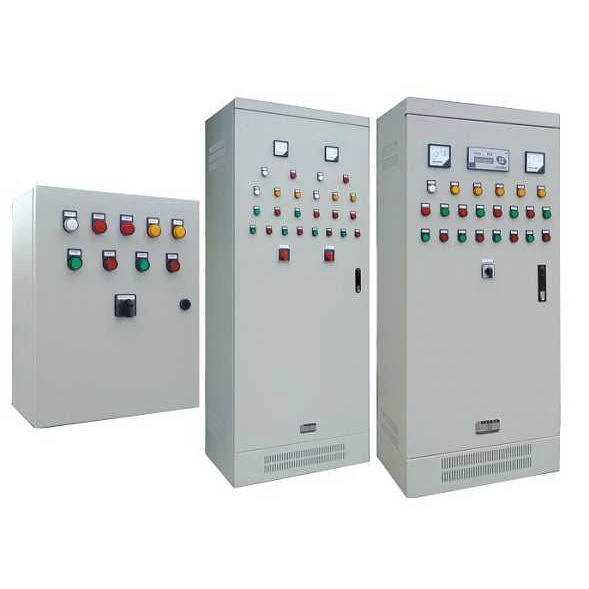
Hey there! As a supplier of Pump Control Panel, I've spent a good deal of time getting to know these nifty devices inside out. One of the most interesting aspects of pump control panels is the audible and visual indicators they come with. These indicators are like little messengers, letting you know what's going on with your pump system at a glance (or a listen). So, let's dive into what these indicators are all about.
Visual Indicators
Power Status Lights
The most basic visual indicator you'll find on a pump control panel is the power status light. This is usually a simple LED that shows whether the panel is getting power or not. A green light typically means the power is on and everything is good to go. If you see a red light instead, it could indicate a power issue, like a blown fuse or a problem with the electrical supply. Sometimes, there might even be an amber light that flashes to signal a warning, like a low voltage situation.
Pump Running Lights
Another important visual indicator is the pump running light. When the pump is actively working, this light will be illuminated. It's a quick and easy way to confirm that the pump is doing its job. If the light isn't on when it should be, it could mean there's a problem with the pump motor, the control circuit, or the switch that activates the pump. For example, if the pump is supposed to turn on when the water level in a tank drops below a certain point, but the running light doesn't come on, you might need to check the float switch or the wiring connected to it.
Fault Lights
Fault lights are a bit more serious. These lights are designed to alert you when there's a problem with the pump or the control panel itself. Different colors can represent different types of faults. For instance, a red fault light might indicate a major issue, like an overcurrent situation where too much electricity is flowing through the pump motor. This could be caused by a short circuit, a jammed impeller, or a problem with the motor windings. A yellow fault light, on the other hand, might signal a minor issue, such as a sensor malfunction or a loose connection.
Level Indicators
In some pump control panels, you'll also find level indicators. These are used to show the water level in a tank or a reservoir. They can be in the form of a series of LEDs that light up to indicate different levels, or a digital display that shows the exact water level in inches or centimeters. Level indicators are really useful because they allow you to monitor the water supply and make sure the pump is operating at the right times. For example, if the water level is getting too low, you might need to turn on the pump to refill the tank.
Pressure Indicators
Pressure indicators are another common visual feature on pump control panels. They show the pressure in the piping system connected to the pump. This is important because the pump needs to maintain a certain pressure to function properly. If the pressure is too low, it could mean there's a leak in the pipes or the pump isn't generating enough pressure. If the pressure is too high, it could put stress on the pipes and other components, leading to potential damage. Pressure indicators can be analog gauges with a needle that points to the current pressure, or digital displays that show the pressure in pounds per square inch (PSI) or other units.
Audible Indicators
Alarm Buzzer
The most common audible indicator on a pump control panel is the alarm buzzer. This buzzer is usually connected to the fault lights, so when a fault is detected, the buzzer will sound to get your attention. The sound can be a continuous beep, a series of short beeps, or a pulsating sound, depending on the type of fault. For example, a continuous beep might indicate a critical fault that requires immediate attention, while a series of short beeps could mean a less urgent issue. The alarm buzzer is a great way to make sure you don't miss any problems, especially if you're not in the same room as the control panel.
Warning Tones
Some pump control panels also have warning tones that are used to alert you to other situations. For example, a warning tone might sound when the pump is about to start or stop. This can be helpful if you're working near the pump and need to be aware of its operation. Warning tones can also be used to indicate a change in the water level or pressure. For instance, if the water level in a tank is getting too high, a warning tone might sound to let you know that the pump needs to be turned off to prevent overflow.
Annunciation Messages
In more advanced pump control panels, you might even find annunciation messages. These are voice messages that provide more detailed information about the status of the pump and the control panel. For example, a voice message might say, "Pump motor overheating. Please check the cooling system." Annunciation messages are really convenient because they give you a clear idea of what's going on without having to interpret a bunch of lights and symbols.
Why Are These Indicators Important?
The audible and visual indicators on a pump control panel are crucial for several reasons. First of all, they help you monitor the operation of the pump system in real-time. By quickly checking the lights and listening for the sounds, you can tell if everything is working as it should or if there's a problem that needs to be addressed. This can save you a lot of time and money in the long run, because you can catch issues early and prevent them from turning into major breakdowns.
Secondly, these indicators improve safety. For example, if a fault light comes on and an alarm buzzer sounds, it alerts you to a potentially dangerous situation, such as an electrical problem or a mechanical failure. This gives you the opportunity to take appropriate action, like shutting off the power to the pump and contacting a professional for repairs.
Finally, the indicators make it easier to troubleshoot problems. When something goes wrong with the pump, the lights and sounds can give you valuable clues about what the issue might be. This can help you diagnose the problem more quickly and accurately, which means you can get the pump up and running again faster.
How to Use These Indicators Effectively
To make the most of the audible and visual indicators on your pump control panel, it's important to understand what each one means. Read the user manual that came with the control panel carefully to learn about the different lights, sounds, and their corresponding meanings. Make sure you know which indicators are normal and which ones indicate a problem.
Regularly check the control panel to monitor the status of the pump. This can be part of your daily or weekly maintenance routine. Look at the power status light, the pump running light, and any other indicators to make sure everything is in order. If you notice any changes, such as a light that's not working or a new fault light that's come on, investigate the issue right away.
If an alarm buzzer or warning tone sounds, don't ignore it. Stop what you're doing and check the control panel to see what the problem is. If you're not sure how to fix the issue, contact a qualified technician or an expert in pump systems. They can help you diagnose the problem and make the necessary repairs.
Conclusion
As you can see, the audible and visual indicators on a pump control panel are really important. They provide valuable information about the operation of the pump and the control panel, and they help you keep your pump system running smoothly and safely. If you're in the market for a new pump control panel, make sure to look for one that has clear and reliable indicators. And if you already have a control panel, take the time to familiarize yourself with the indicators and use them effectively.
If you're interested in learning more about pump control panels or if you're looking to purchase one for your own application, don't hesitate to reach out. We're here to help you find the right solution for your needs. Whether you have questions about the indicators, the features, or the installation process, our team of experts is ready to assist you. So, get in touch today and let's start a conversation about how we can improve your pump system!
References
- Manufacturer's manuals for pump control panels
- Industry standards and guidelines for pump systems