Pump suction performance is a critical aspect in various industrial and commercial applications. As a pump suction supplier, I have witnessed firsthand how different factors can significantly impact the efficiency and effectiveness of pump suction. In this blog, I will delve into the key factors that affect pump suction performance, providing insights that can help you make informed decisions when selecting and using pump suction components.
Fluid Properties
The properties of the fluid being pumped play a fundamental role in pump suction performance. Viscosity, density, and vapor pressure are among the most important fluid characteristics to consider.
Viscosity
Viscosity refers to the internal resistance of a fluid to flow. High - viscosity fluids, such as oils or slurries, require more energy to be pumped compared to low - viscosity fluids like water. When the viscosity of the fluid is high, it can cause increased friction within the pump suction system. This friction can lead to a drop in the flow rate and an increase in the pressure drop across the suction line. As a result, the pump may experience cavitation, which is the formation and subsequent collapse of vapor bubbles in the fluid. Cavitation can damage the pump impeller and other internal components, reducing the pump's lifespan and efficiency.
Density
The density of the fluid affects the pressure required to lift the fluid into the pump. Heavier fluids, with higher densities, need more pressure to be drawn into the pump compared to lighter fluids. If the pump is not designed to handle the density of the fluid, it may struggle to achieve the required suction pressure, leading to reduced flow rates and potential operational issues.
Vapor Pressure
Vapor pressure is the pressure at which a fluid changes from a liquid to a vapor. When the pressure at the pump suction drops below the vapor pressure of the fluid, vapor bubbles form. These bubbles can disrupt the flow of the fluid and cause cavitation. For example, in hot water applications, the vapor pressure of water is higher, increasing the risk of cavitation. To prevent this, the pump suction system may need to be designed to maintain a higher pressure at the suction inlet or use a pump specifically designed for high - vapor - pressure fluids.
Suction Line Design
The design of the suction line is another crucial factor that affects pump suction performance. The length, diameter, and layout of the suction line can all have a significant impact.
Length of the Suction Line
A longer suction line increases the friction loss in the system. As the fluid travels through the line, it encounters resistance from the walls of the pipe, which results in a pressure drop. If the pressure drop is too large, the pump may not be able to generate enough suction pressure to draw the fluid into the pump effectively. Therefore, it is advisable to keep the suction line as short as possible to minimize friction losses.
Diameter of the Suction Line
The diameter of the suction line also plays an important role. A smaller diameter line can lead to higher fluid velocities and increased friction losses. On the other hand, a larger diameter line can reduce the fluid velocity and friction, but it may also be more expensive and take up more space. The optimal diameter of the suction line depends on the flow rate and viscosity of the fluid being pumped.
Layout of the Suction Line
The layout of the suction line should be designed to avoid sharp bends, elbows, and restrictions. Sharp bends can cause turbulence in the fluid flow, increasing the pressure drop and the risk of cavitation. Additionally, any restrictions in the suction line, such as valves or filters, should be properly sized and maintained to ensure smooth fluid flow.
Pump Design and Installation
The design and installation of the pump itself are essential for optimal suction performance.
Pump Type
Different types of pumps have different suction capabilities. For example, centrifugal pumps are commonly used for low - viscosity fluids, while positive displacement pumps are better suited for high - viscosity fluids. The selection of the pump type should be based on the properties of the fluid and the specific requirements of the application.
Impeller Design
The impeller is a key component of the pump that is responsible for generating the suction force. The design of the impeller, including its shape, size, and number of blades, can affect the pump's suction performance. A well - designed impeller can efficiently transfer energy to the fluid, increasing the suction pressure and flow rate.
Installation Height
The installation height of the pump relative to the fluid source is critical. If the pump is installed too high above the fluid level, the suction pressure may not be sufficient to lift the fluid into the pump. This can lead to cavitation and reduced pump performance. On the other hand, if the pump is installed too low, it may be submerged in the fluid, which can cause other issues such as excessive wear on the pump components.
System Pressure and Temperature
The pressure and temperature of the system can also impact pump suction performance.
System Pressure
The pressure in the system can affect the pump's ability to draw fluid into the pump. If the pressure in the system is too low, the pump may not be able to generate enough suction pressure. Conversely, if the pressure is too high, it can cause damage to the pump and other components in the system.
System Temperature
Temperature can affect the properties of the fluid, such as its viscosity and vapor pressure. As mentioned earlier, an increase in temperature can increase the vapor pressure of the fluid, increasing the risk of cavitation. Additionally, high temperatures can cause thermal expansion of the pump components, which can affect the clearances between the impeller and the casing and lead to reduced efficiency.
Material of the Pump Suction
The material of the pump suction can also have an impact on its performance. Different materials offer different levels of corrosion resistance, durability, and compatibility with the fluid being pumped.
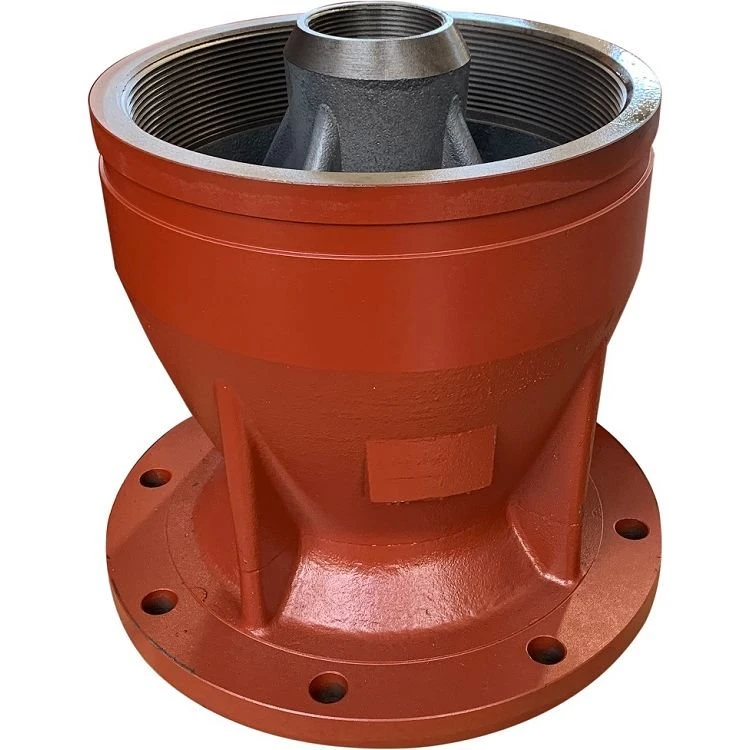
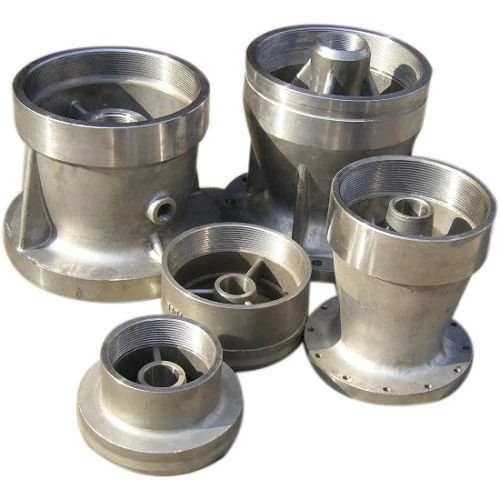
Stainless Steel Pump Suction
Stainless steel is a popular choice for pump suction components due to its excellent corrosion resistance. It can withstand harsh chemical environments and is suitable for a wide range of applications. If you are looking for a high - quality Stainless Steel Pump Suction, it provides a reliable solution for long - term use.
Cast Iron Pump Suction
Cast iron is another common material for pump suction. It is relatively inexpensive and has good strength. However, it is more prone to corrosion compared to stainless steel. For applications where cost is a major concern and the fluid is not highly corrosive, Cast Iron Pump Suction can be a viable option.
In conclusion, pump suction performance is affected by a multitude of factors, including fluid properties, suction line design, pump design and installation, system pressure and temperature, and the material of the pump suction. By understanding these factors, you can make more informed decisions when selecting and using pump suction components. If you have any questions or need assistance in choosing the right pump suction for your application, please feel free to contact us for further discussion and procurement negotiation.
References
- Cengel, Y. A., & Cimbala, J. M. (2014). Fluid Mechanics: Fundamentals and Applications. McGraw - Hill Education.
- Karassik, I. J., Messina, J. P., Cooper, P. W., & Heald, C. C. (2008). Pump Handbook. McGraw - Hill.