Hey there! As a supplier of Bronze Pump Impeller, I've got a ton of knowledge about these nifty little things. Today, I'm gonna take you through the different blade shapes of a bronze pump impeller.
Why Bronze for Pump Impellers?
First off, let me tell you why bronze is such a great material for pump impellers. Bronze is corrosion - resistant, which means it can handle all sorts of liquids without getting eaten away. It's also strong and durable, so it can withstand the wear and tear that comes with the high - speed rotation inside a pump. And let's not forget its good casting properties, which make it easy to create complex shapes, like the different blade designs we're gonna talk about.
The Different Blade Shapes
1. Radial Blades
Radial blades are probably the most common type you'll come across. These blades are straight and extend radially from the center of the impeller. They're great for applications where you need high - pressure output. When the impeller spins, the radial blades push the fluid outwards in a straight line, creating a high - velocity flow. This makes them ideal for things like water supply systems, where you need to pump water up to tall buildings or over long distances.
One of the big advantages of radial blades is their simplicity. They're easy to manufacture, which means they're often more cost - effective than some of the other blade shapes. However, they're not the best for handling viscous fluids. Since they rely on a straight - line flow, viscous fluids can cause more resistance, reducing the efficiency of the pump.
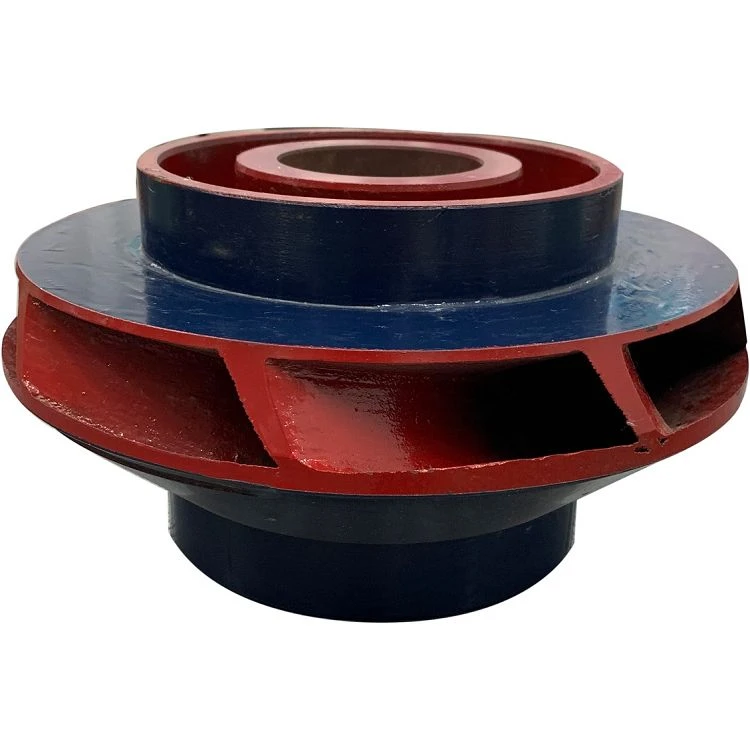
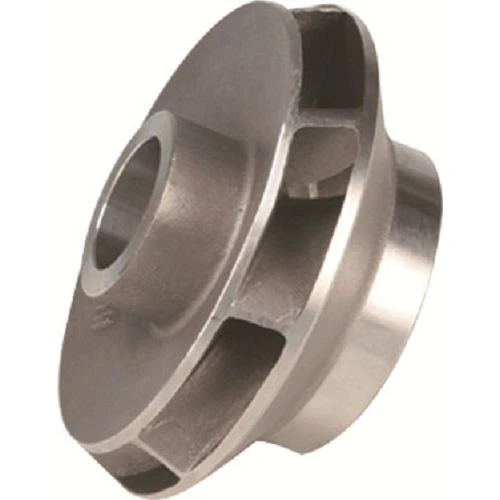
2. Backward - Curved Blades
Backward - curved blades are curved in the opposite direction of the impeller's rotation. These blades are all about efficiency. They create a more gradual flow of fluid, which reduces the amount of energy lost due to turbulence. This makes them perfect for applications where energy efficiency is a top priority, like in HVAC systems.
In an HVAC system, the pump needs to run continuously, so any energy savings can add up over time. Backward - curved blades also tend to produce less noise compared to radial blades. The smoother flow of fluid means there's less vibration and banging around inside the pump. However, they don't generate as much pressure as radial blades, so they're not suitable for high - pressure applications.
3. Forward - Curved Blades
Forward - curved blades are curved in the same direction as the impeller's rotation. They're designed to move a large volume of fluid at a relatively low pressure. This makes them great for applications like ventilation systems, where you need to move a lot of air or gas quickly.
The forward - curved design allows the impeller to scoop up the fluid and fling it outwards in a wide arc. This creates a high - volume, low - pressure flow. But there's a catch. Forward - curved blades are more prone to cavitation. Cavitation happens when the pressure of the fluid drops too low, causing bubbles to form. These bubbles can then collapse, damaging the impeller over time.
4. Mixed - Flow Blades
Mixed - flow blades are a bit of a hybrid between radial and axial blades. They have a curved shape that combines the best of both worlds. They can generate both high pressure and high flow rates, making them very versatile. Mixed - flow impellers are commonly used in irrigation systems, where you need to pump large volumes of water at a moderate pressure.
The mixed - flow design allows the fluid to move both radially and axially. This creates a more complex flow pattern that can handle a wider range of fluid viscosities and flow requirements. However, they're more difficult to design and manufacture compared to the other blade shapes, which can make them more expensive.
Comparing with Other Materials
Now, I know I'm a bronze pump impeller supplier, but it's important to talk about how bronze impellers stack up against other materials. Let's take a look at Cast Iron Pump Impeller and Stainless Steel Pump Impeller.
Cast iron impellers are strong and durable, but they're not as corrosion - resistant as bronze. In applications where the fluid is corrosive, like in some industrial processes, cast iron impellers can start to rust and deteriorate over time. This can lead to reduced efficiency and even pump failure.
Stainless steel impellers, on the other hand, are highly corrosion - resistant. They're great for handling aggressive chemicals and seawater. However, they're often more expensive than bronze impellers. Bronze offers a good balance between corrosion resistance and cost - effectiveness, which is why it's such a popular choice for many applications.
Choosing the Right Blade Shape for Your Needs
So, how do you choose the right blade shape for your pump? Well, it all comes down to your specific application. If you need high - pressure output, radial blades are probably your best bet. If energy efficiency is your main concern, go for backward - curved blades. And if you need to move a large volume of fluid at low pressure, forward - curved blades are the way to go.
It's also important to consider the type of fluid you'll be pumping. If it's a viscous fluid, you might want to avoid radial blades. And if the fluid is corrosive, make sure you choose a material that can handle it, like bronze.
Let's Talk Business
If you're in the market for a bronze pump impeller, I'd love to chat with you. I've got years of experience in this industry, and I can help you find the perfect impeller for your needs. Whether you're a small business owner looking for a pump for your workshop or a large corporation in need of a high - volume pumping solution, I've got you covered.
Just reach out, and we can start discussing your requirements. I can provide you with detailed product information, pricing, and even samples if you need them. Don't hesitate to get in touch and let's see how we can work together to get your pumping system running at its best.
References
- "Pump Handbook" by Igor J. Karassik
- "Centrifugal Pumps: Design and Application" by Heinz P. Bloch and Allan R. Budris