As a seasoned supplier in the field of Cast Iron Casting, I've witnessed firsthand the numerous advantages that this manufacturing process brings to various industries. In this blog, I'll delve into the key benefits of cast iron casting, highlighting why it remains a popular choice for many applications.
1. Excellent Castability
One of the primary advantages of cast iron casting is its outstanding castability. Cast iron has a relatively low melting point compared to other metals, which makes it easier to melt and pour into molds. This property allows for the production of complex shapes and intricate designs with high precision. Whether it's a small, detailed component or a large, heavy - duty part, cast iron can be shaped to meet the exact specifications of the design.
For example, in the production of machinery parts, cast iron can be used to create parts with internal cavities, thin walls, and complex geometries that would be difficult or impossible to achieve with other manufacturing methods. This high level of design flexibility gives manufacturers the freedom to innovate and develop new products that can meet the evolving needs of their customers.
2. High Strength and Durability
Cast iron is known for its remarkable strength and durability. It has a high compressive strength, which means it can withstand heavy loads and pressures without deforming. This makes it an ideal material for applications where structural integrity is crucial, such as in the construction of bridges, buildings, and heavy machinery.
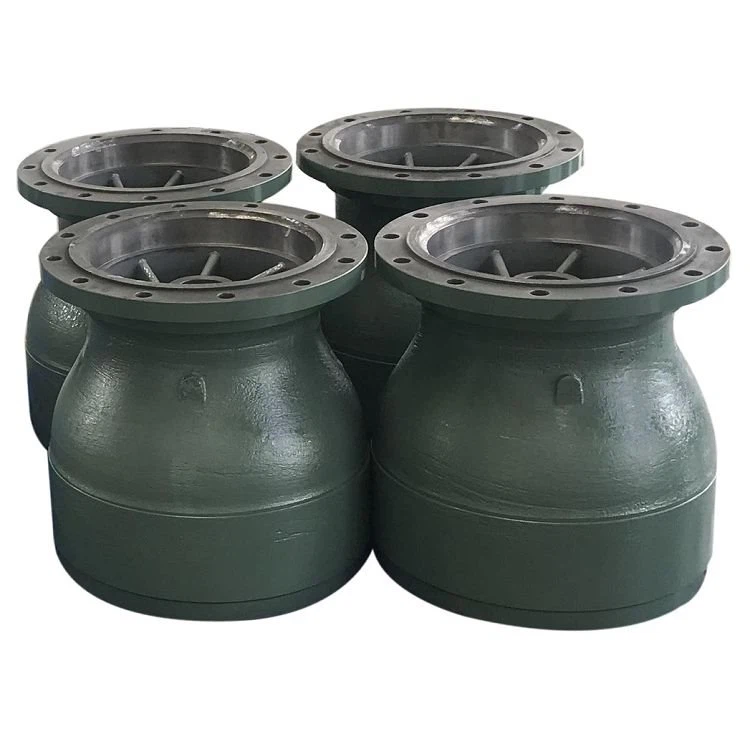
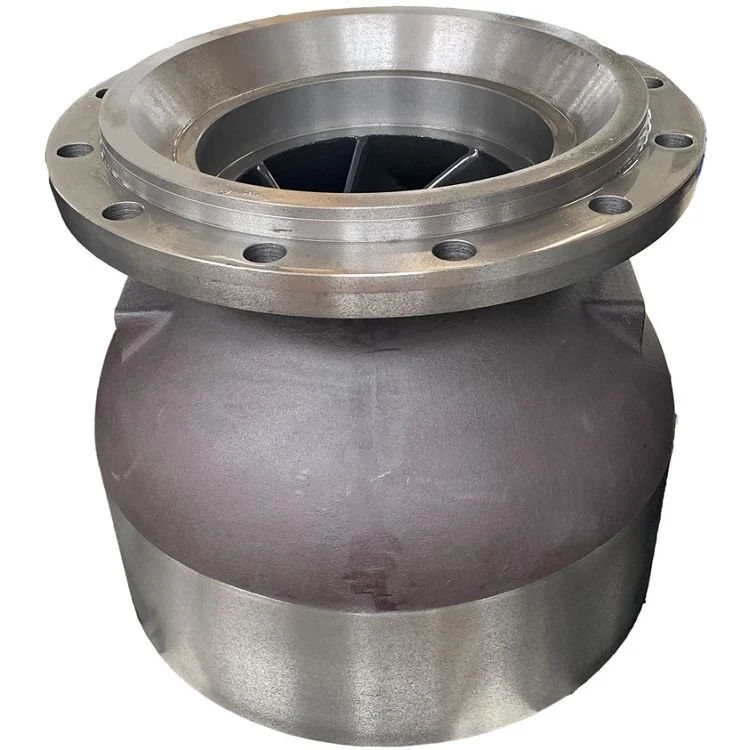
In addition to its compressive strength, cast iron also has good wear resistance. When used in Wear Resistant Pump Parts, for instance, it can withstand the abrasive action of fluids and solids, ensuring a long service life and reducing the need for frequent replacements. This durability translates into cost savings for businesses in the long run, as they don't have to spend as much on maintenance and replacement parts.
3. Good Thermal Conductivity
Another significant advantage of cast iron is its excellent thermal conductivity. Cast iron can transfer heat efficiently, which is beneficial in many applications. In the automotive industry, for example, cast iron engine blocks are commonly used because they can dissipate heat effectively, preventing the engine from overheating. This helps to improve the performance and reliability of the engine.
In the manufacturing of cookware, cast iron's thermal conductivity is also highly valued. Cast iron pans can distribute heat evenly across the cooking surface, ensuring that food is cooked uniformly. This makes them a favorite among professional chefs and home cooks alike.
4. Cost - Effectiveness
Cost is always a major consideration in any manufacturing process. Cast iron casting offers a cost - effective solution for producing high - quality parts. The raw materials for cast iron are relatively inexpensive and widely available, which helps to keep the production costs down.
Moreover, the casting process itself is efficient and can produce large quantities of parts in a relatively short period. This economies of scale further reduces the per - unit cost of production. For businesses looking to produce large volumes of parts without sacrificing quality, cast iron casting is an attractive option.
5. Versatility
Cast iron comes in different types, each with its own unique properties, which makes it a versatile material for a wide range of applications. Gray cast iron, for example, is known for its good machinability and damping capacity, making it suitable for applications where vibration and noise reduction are important, such as in machine tool bases.
Ductile Iron Casting offers a combination of high strength and ductility, which allows it to be used in applications where both strength and flexibility are required, such as in automotive suspension components. The ability to choose the right type of cast iron for a specific application gives manufacturers more options and enables them to optimize the performance of their products.
6. Corrosion Resistance
While cast iron is not as corrosion - resistant as some other metals like stainless steel, proper surface treatments can significantly enhance its corrosion resistance. For example, applying a protective coating or galvanizing the cast iron parts can prevent them from rusting and corroding, even in harsh environments.
This makes cast iron suitable for outdoor applications, such as in the construction of fences, gates, and street furniture. By protecting the cast iron from corrosion, its appearance and structural integrity can be maintained over a long period, ensuring that the products remain functional and aesthetically pleasing.
7. Recyclability
In today's environmentally conscious world, the recyclability of materials is an important consideration. Cast iron is a highly recyclable material. At the end of its useful life, cast iron parts can be melted down and reused to produce new castings. This not only reduces the demand for virgin materials but also helps to minimize waste and environmental impact.
Recycling cast iron is also energy - efficient compared to producing new cast iron from raw materials. This makes it a sustainable choice for manufacturers who are looking to reduce their carbon footprint and contribute to a more circular economy.
Conclusion
In conclusion, the advantages of cast iron casting are numerous and far - reaching. From its excellent castability and high strength to its good thermal conductivity and cost - effectiveness, cast iron offers a range of benefits that make it a popular choice for many industries. Whether you're in the automotive, construction, manufacturing, or food service industry, cast iron can provide the performance and reliability you need.
If you're interested in Cast Iron Casting for your next project, I encourage you to reach out for a detailed discussion. We have the expertise and experience to provide you with high - quality cast iron products that meet your specific requirements. Contact us today to start the conversation and explore how cast iron casting can benefit your business.
References
- "Metals and Alloys in the Design Process" by George Dieter
- "Foundry Technology" by R. K. Rajput
- Various industry reports and research papers on cast iron casting.