Pump suction cavitation is a common and troublesome issue in the operation of pumps. As a pump suction supplier, I have witnessed firsthand the negative impacts of cavitation on pump performance and longevity. In this blog, I will delve into the various causes of pump suction cavitation, providing insights to help you better understand and prevent this problem.
1. Low Suction Pressure
One of the primary causes of pump suction cavitation is low suction pressure. When the pressure at the pump suction inlet drops below the vapor pressure of the liquid being pumped, vapor bubbles form. This can occur due to several factors:
-
Long Suction Lines: If the suction line is too long, the frictional losses increase, reducing the pressure at the pump inlet. For example, in large industrial plants where pumps are located far from the source of the liquid, long suction lines can be a significant problem. The longer the line, the more energy is lost to friction, and the lower the pressure at the pump suction.
-
Small Suction Pipe Diameter: A small - diameter suction pipe restricts the flow of liquid, causing an increase in the fluid velocity. According to Bernoulli's principle, an increase in fluid velocity leads to a decrease in pressure. As a result, the pressure at the pump suction may fall below the vapor pressure of the liquid, triggering cavitation. For instance, if a pump is designed to handle a certain flow rate but is connected to a suction pipe that is too small, the high - velocity flow in the pipe can cause low suction pressure.
-
Clogged Suction Filters or Strainers: Over time, suction filters or strainers can become clogged with debris, such as dirt, sand, or small particles. This restricts the flow of liquid into the pump, reducing the suction pressure. A clogged filter acts like a bottleneck, preventing the free flow of liquid and causing a pressure drop at the pump inlet. For example, in a water treatment plant, if the suction strainer of a pump is not regularly cleaned, it can become blocked, leading to cavitation.
2. High Liquid Temperature
The temperature of the liquid being pumped also plays a crucial role in cavitation. As the temperature of a liquid increases, its vapor pressure also rises. When the vapor pressure of the liquid exceeds the suction pressure, vapor bubbles form, resulting in cavitation.
-
Process Heating: In many industrial processes, liquids are heated to achieve a specific chemical reaction or to facilitate a manufacturing operation. If the heated liquid is then pumped, the high temperature can cause the vapor pressure to increase significantly. For example, in a chemical plant, a pump may be used to transfer a heated chemical solution. If the suction pressure is not sufficient to prevent the liquid from vaporizing at the elevated temperature, cavitation can occur.
-
Ambient Temperature: High ambient temperatures can also affect the temperature of the liquid in the suction line. In hot climates, the liquid in the storage tank or the suction line may absorb heat from the surroundings, increasing its temperature. This can be a particular problem for outdoor pumps, especially during the summer months. For instance, a water pump used for irrigation in a desert region may experience cavitation due to the high ambient temperature heating the water in the suction line.
3. High Pump Speed
The rotational speed of the pump is another factor that can contribute to cavitation. When a pump operates at a high speed, the impeller blades move through the liquid at a faster rate, creating areas of low pressure around the blades.
-
Incorrect Pump Sizing: If a pump is oversized for the application and is operating at a speed higher than necessary, it can generate excessive low - pressure areas around the impeller. This increases the likelihood of the liquid vaporizing and forming bubbles. For example, if a small - scale water supply system is equipped with a large - capacity pump that is running at a high speed, cavitation may occur due to the high - velocity flow and low - pressure areas created by the impeller.
-
Variable Frequency Drive (VFD) Misapplication: Variable frequency drives are often used to control the speed of pumps. However, if the VFD is not properly configured, the pump may operate at speeds that are too high for the system conditions. This can lead to cavitation, as the high - speed operation of the pump can cause the suction pressure to drop below the vapor pressure of the liquid. For instance, if a VFD is set to increase the pump speed without considering the available suction pressure, cavitation may occur.
4. System Design Issues
The overall design of the pumping system can also contribute to pump suction cavitation.
-
Improper Pump Placement: If the pump is placed too high above the liquid source, the static head can cause a significant pressure drop at the suction inlet. This is known as the NPSH (Net Positive Suction Head) requirement. If the available NPSH is less than the required NPSH of the pump, cavitation will occur. For example, in a building's water supply system, if the pump is installed on a high - floor level far above the water storage tank, the high static head can lead to low suction pressure and cavitation.
-
Air Leakage in the Suction Line: Air leakage into the suction line can introduce air bubbles into the liquid, reducing the effective suction pressure. This can happen due to loose connections, damaged gaskets, or cracks in the suction pipe. For instance, in an old pumping system, the gaskets between the pipe sections may deteriorate over time, allowing air to enter the suction line. The presence of air in the liquid can cause the pressure at the pump inlet to drop, leading to cavitation.
5. Fluid Properties
The properties of the fluid being pumped can also influence cavitation.
-
Viscosity: High - viscosity fluids require more energy to flow through the suction line. This can result in higher frictional losses and lower suction pressure. For example, pumping a thick oil or a viscous chemical solution may require a pump with a higher NPSH requirement. If the pump is not properly sized for the high - viscosity fluid, cavitation can occur.
-
Surface Tension: Fluids with low surface tension are more likely to form vapor bubbles. Some chemicals or mixtures may have a lower surface tension than water, making them more prone to cavitation. For instance, in a chemical processing plant, a pump handling a low - surface - tension solvent may experience cavitation more easily than a pump handling water.
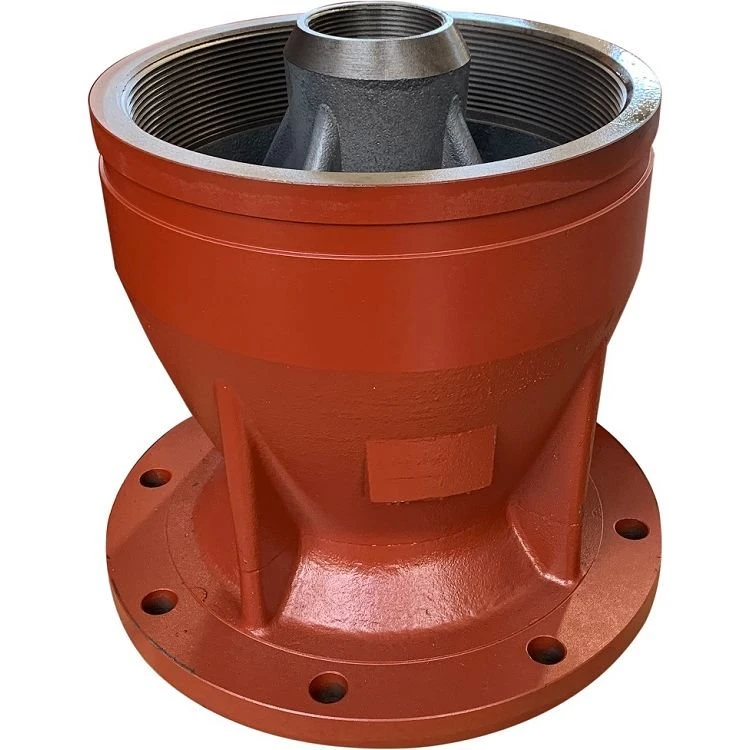
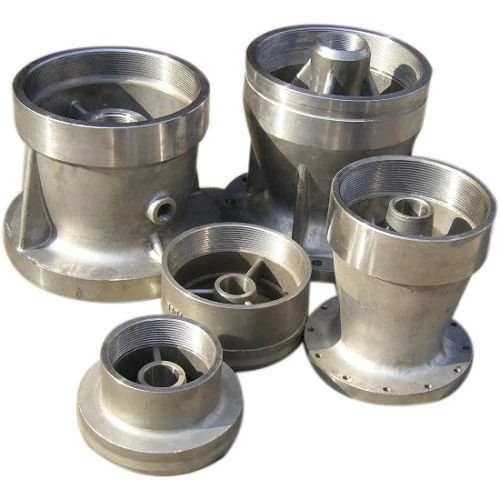
As a pump suction supplier, we offer a wide range of high - quality pump suction products, including Cast Iron Pump Suction and Stainless Steel Pump Suction. Our products are designed to minimize the risk of cavitation and ensure reliable pump operation.
If you are experiencing pump suction cavitation issues or are looking for high - quality pump suction components, we are here to help. Our team of experts can provide you with professional advice and solutions tailored to your specific needs. Contact us today to discuss your requirements and start a procurement negotiation.
References
- Karassik, I. J., Messina, J. P., Cooper, P. T., & Heald, C. C. (2008). Pump Handbook. McGraw - Hill.
- Stepanoff, A. J. (1957). Centrifugal and Axial Flow Pumps: Theory, Design, and Application. Wiley.