Liquid penetrant testing (LPT), also known as liquid penetrant inspection (LPI), is a widely used non - destructive testing (NDT) method for detecting surface - breaking defects in cast iron castings. As a cast iron casting supplier, understanding and utilizing this testing technique is crucial for ensuring the quality of our products.
1. The Basics of Liquid Penetrant Testing
1.1 Principle
The fundamental principle of liquid penetrant testing is based on the capillary action. A liquid penetrant, which has low viscosity and high surface - wetting ability, is applied to the surface of the cast iron casting. The penetrant can seep into surface - breaking defects such as cracks, porosity, or laps. After a sufficient dwell time, the excess penetrant on the surface is removed, and a developer is applied. The developer acts like a blotter, drawing the penetrant out of the defects and making them visible as bright indications against the background of the developer.
1.2 Components of the Testing Process
- Penetrant: There are different types of penetrants, including fluorescent and visible (dye) penetrants. Fluorescent penetrants are more sensitive and are typically used in applications where small defects need to be detected. They require the use of a black light to make the indications visible. Visible penetrants, usually red in color, can be easily seen under normal white light, making them suitable for on - site or quick inspections.
- Emulsifier (Optional): For post - applied emulsifiable penetrants, an emulsifier is used to make the excess penetrant on the surface water - washable. This step helps in effectively removing the penetrant from non - defect areas.
- Cleaner: The cleaner is used to prepare the surface of the casting before applying the penetrant. It removes dirt, grease, and other contaminants that could interfere with the penetrant's ability to enter the defects.
- Developer: The developer is a fine powder that is applied after the excess penetrant has been removed. It helps to draw the penetrant out of the defects and spreads it out, making the defects more visible.
2. Application of Liquid Penetrant Testing in Cast Iron Castings
2.1 Importance for Cast Iron Castings
Cast iron castings are widely used in various industries, such as automotive, construction, and machinery. However, during the casting process, defects can occur due to factors like improper gating, solidification shrinkage, or the presence of impurities. Surface - breaking defects can significantly reduce the mechanical properties and service life of the castings. Liquid penetrant testing allows us to detect these defects early in the production process, preventing defective castings from being shipped to customers.
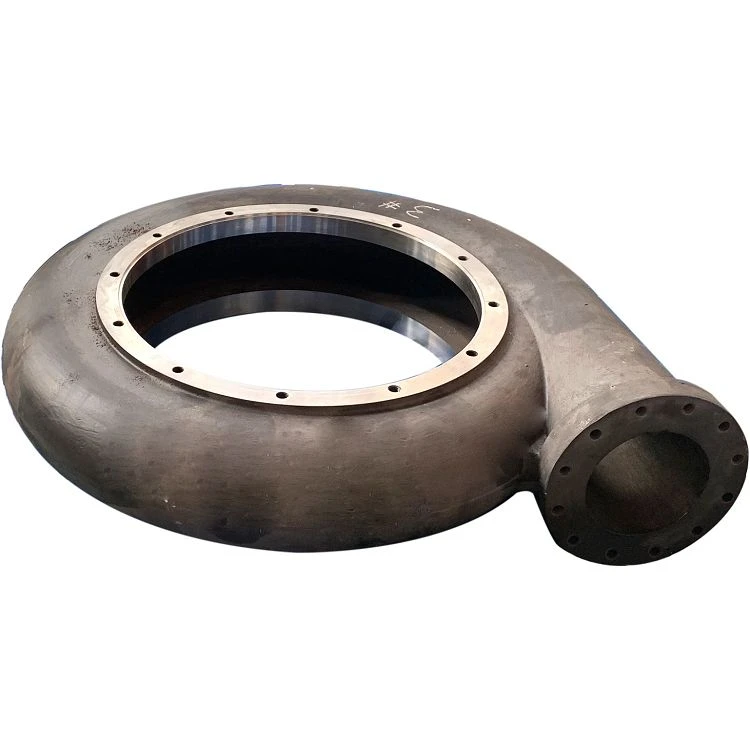
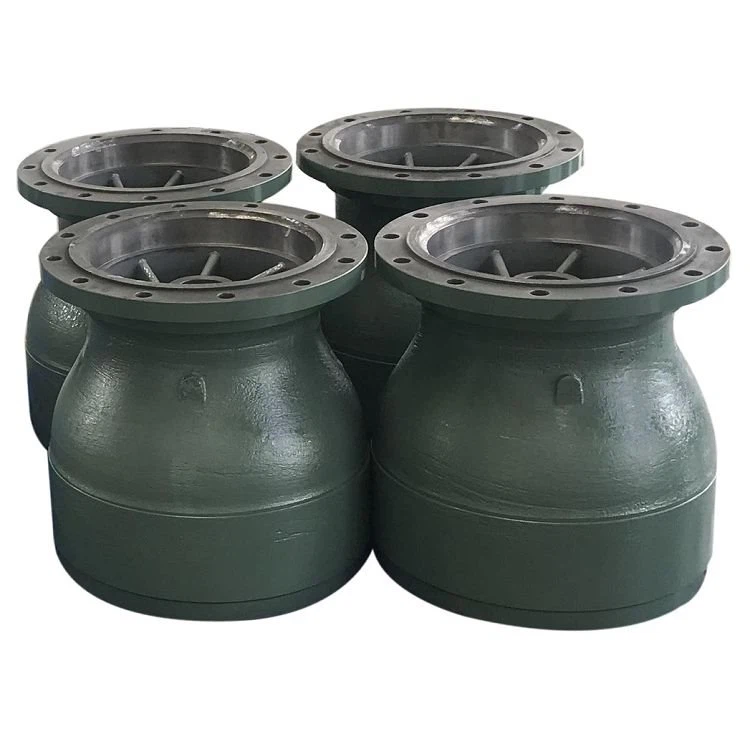
2.2 Testing Procedure
- Surface Preparation: Before applying the penetrant, the surface of the cast iron casting must be thoroughly cleaned. This can be done using solvents, alkaline cleaners, or mechanical methods such as grinding or sandblasting. The goal is to ensure that the surface is free of any contaminants that could block the penetrant from entering the defects.
- Penetrant Application: The penetrant is applied to the surface of the casting by spraying, brushing, or dipping. The casting is then left for a dwell time, which can range from 10 to 60 minutes depending on the type of penetrant, the size of the defects, and the material of the casting.
- Excess Penetrant Removal: After the dwell time, the excess penetrant on the surface is removed. For water - washable penetrants, the surface can be simply rinsed with water. For post - applied emulsifiable penetrants, the emulsifier is first applied and then the surface is washed with water.
- Developer Application: A thin layer of developer is applied to the surface of the casting. This can be done by spraying, brushing, or dipping. The developer is left to dry for a few minutes, during which time the penetrant is drawn out of the defects and becomes visible.
- Inspection: The casting is then inspected for indications of defects. For fluorescent penetrants, a black light is used, and the defects appear as bright yellow - green indications. For visible penetrants, the defects are visible as red marks against the white background of the developer.
3. Advantages and Limitations of Liquid Penetrant Testing
3.1 Advantages
- High Sensitivity: Liquid penetrant testing can detect very small surface - breaking defects, even those that are not visible to the naked eye. This makes it a valuable tool for ensuring the quality of cast iron castings.
- Versatility: It can be used on a wide range of materials, including different types of cast iron, as well as other metals and non - metals.
- Relatively Simple and Cost - Effective: The equipment and materials required for liquid penetrant testing are relatively inexpensive, and the testing process can be easily performed on - site or in a laboratory.
3.2 Limitations
- Surface - Breaking Defects Only: Liquid penetrant testing can only detect defects that are open to the surface. It cannot detect subsurface defects, which may require other non - destructive testing methods such as ultrasonic testing or radiographic testing.
- Surface Finish Dependence: The accuracy of the test can be affected by the surface finish of the casting. Rough or porous surfaces may cause false indications, and additional surface preparation may be required.
- Cleaning and Disposal: The penetrants and cleaners used in the testing process are often hazardous substances, and proper cleaning and disposal procedures must be followed to ensure environmental safety.
4. Our Role as a Cast Iron Casting Supplier
As a cast iron casting supplier, we use liquid penetrant testing at multiple stages of the production process. We start by performing surface inspections on raw castings to ensure that there are no major surface - breaking defects. This helps us to identify and reject defective parts early, saving time and resources.
During the machining process, we also use liquid penetrant testing to check for any new defects that may have been introduced, such as machining cracks. By continuously monitoring the quality of our castings using this method, we can ensure that our products meet or exceed the requirements of our customers.
We offer a wide range of cast iron castings, including Wear Resistant Pump Parts, Stainless Steel Pump Casting, and Ductile Iron Casting. Our commitment to quality is reflected in our rigorous testing procedures, which include liquid penetrant testing.
5. Conclusion and Call to Action
Liquid penetrant testing is an essential non - destructive testing method for cast iron castings. It provides a reliable and cost - effective way to detect surface - breaking defects, ensuring the quality and performance of our products.
If you are in need of high - quality cast iron castings, we invite you to contact us to discuss your specific requirements. Our team of experts is ready to assist you in finding the right solution for your application. Whether you are in the automotive, construction, or machinery industry, we can provide you with castings that meet the highest standards of quality.
References
- ASNT (American Society for Nondestructive Testing). "Nondestructive Testing Handbook: Liquid Penetrant Testing". 4th Edition.
- ASTM (American Society for Testing and Materials). Various standards related to liquid penetrant testing, such as ASTM E165.
- "Foundry Technology: Metal Casting Processes and Applications" by Randall M. German.