Hey there! As a supplier of centrifugal pumps, I've seen firsthand the impact of cavitation damage on these vital pieces of equipment. Cavitation is a phenomenon that can cause significant problems in centrifugal pumps, leading to reduced performance, increased maintenance costs, and even premature failure. In this blog post, I'll dive into the cavitation damage mechanisms in a centrifugal pump and explain how you can prevent them.
What is Cavitation?
Before we get into the damage mechanisms, let's first understand what cavitation is. Cavitation occurs when the pressure in a liquid drops below its vapor pressure, causing the formation of vapor bubbles. These bubbles then collapse when they enter a region of higher pressure, creating shock waves that can damage the pump components.
In a centrifugal pump, cavitation typically occurs at the impeller inlet, where the pressure is the lowest. When the pressure drops below the vapor pressure of the liquid, vapor bubbles form on the impeller blades. As the bubbles move towards the higher-pressure region at the impeller outlet, they collapse, creating shock waves that can erode the impeller blades and other pump components.
Cavitation Damage Mechanisms
There are several cavitation damage mechanisms that can occur in a centrifugal pump. Let's take a closer look at each of them:
Erosion
Erosion is one of the most common cavitation damage mechanisms. When the vapor bubbles collapse, they create high-pressure shock waves that can erode the surface of the impeller blades and other pump components. Over time, this erosion can cause the impeller blades to become thinner and weaker, leading to reduced pump performance and increased vibration.
Pitting
Pitting is another form of cavitation damage that occurs when the shock waves from the collapsing bubbles create small pits on the surface of the impeller blades and other pump components. These pits can act as stress concentrators, increasing the likelihood of fatigue failure.
Fatigue
Fatigue is a cavitation damage mechanism that occurs when the repeated shock waves from the collapsing bubbles cause the impeller blades and other pump components to experience cyclic stress. Over time, this cyclic stress can cause the material to fatigue and crack, leading to premature failure.
Corrosion
Cavitation can also accelerate corrosion in a centrifugal pump. When the vapor bubbles collapse, they create high-pressure shock waves that can disrupt the protective oxide layer on the surface of the impeller blades and other pump components. This can expose the underlying metal to the corrosive effects of the liquid being pumped, leading to increased corrosion and reduced pump life.
Factors Affecting Cavitation Damage
Several factors can affect the severity of cavitation damage in a centrifugal pump. These include:
Pump Design
The design of the centrifugal pump can have a significant impact on the likelihood and severity of cavitation damage. Pumps with a high specific speed are more prone to cavitation than pumps with a low specific speed. Additionally, pumps with a large impeller diameter and a low blade angle are more susceptible to cavitation damage.
Operating Conditions
The operating conditions of the centrifugal pump can also affect the likelihood and severity of cavitation damage. Pumps that are operated at high flow rates or low suction pressures are more prone to cavitation than pumps that are operated within their recommended operating range. Additionally, pumps that are used to pump liquids with a high vapor pressure or a low viscosity are more susceptible to cavitation damage.
Liquid Properties
The properties of the liquid being pumped can also affect the likelihood and severity of cavitation damage. Liquids with a high vapor pressure or a low viscosity are more prone to cavitation than liquids with a low vapor pressure or a high viscosity. Additionally, liquids that contain suspended solids or other contaminants can increase the likelihood of cavitation damage.
Preventing Cavitation Damage
Preventing cavitation damage in a centrifugal pump is essential to ensure reliable and efficient operation. Here are some tips to help you prevent cavitation damage:
Select the Right Pump
When selecting a centrifugal pump, it's important to choose a pump that is designed for the specific application. Consider factors such as the flow rate, head, and liquid properties when selecting a pump. Additionally, choose a pump with a low specific speed and a large impeller diameter to reduce the likelihood of cavitation damage.
Operate the Pump within its Recommended Range
Operating the centrifugal pump within its recommended operating range is essential to prevent cavitation damage. Make sure to monitor the pump's flow rate, head, and suction pressure regularly to ensure that it is operating within the recommended range. If the pump is operating outside of its recommended range, adjust the flow rate or suction pressure as needed.
Maintain the Pump Regularly
Regular maintenance is essential to prevent cavitation damage in a centrifugal pump. Make sure to inspect the pump regularly for signs of erosion, pitting, fatigue, and corrosion. Replace any damaged or worn components as soon as possible to prevent further damage.
Use a Cavitation Inhibitor
Using a cavitation inhibitor can help to reduce the likelihood and severity of cavitation damage in a centrifugal pump. Cavitation inhibitors are chemicals that are added to the liquid being pumped to reduce the surface tension and vapor pressure of the liquid. This can help to prevent the formation of vapor bubbles and reduce the shock waves from the collapsing bubbles.
Conclusion
Cavitation damage is a common problem in centrifugal pumps that can cause significant problems if left untreated. By understanding the cavitation damage mechanisms and taking steps to prevent them, you can ensure reliable and efficient operation of your centrifugal pump.
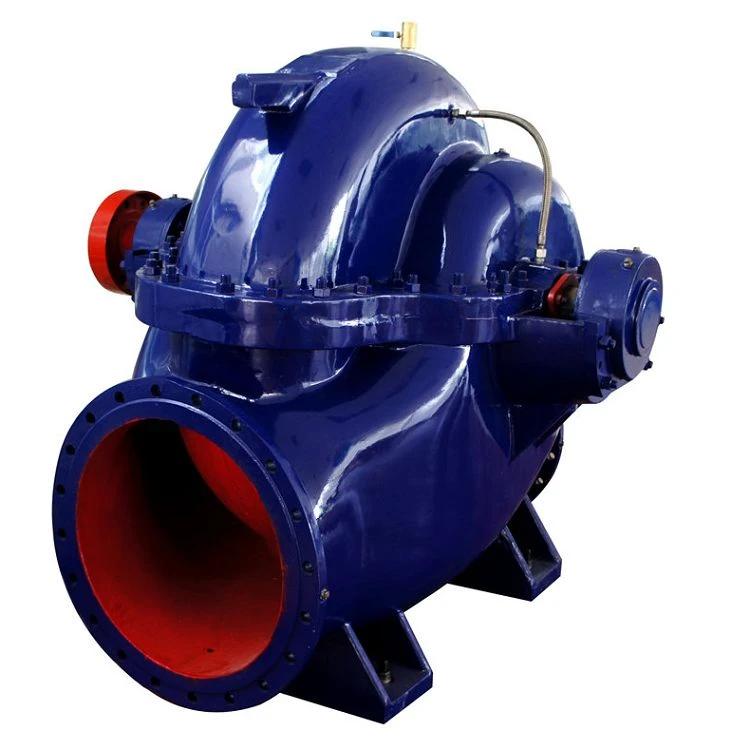
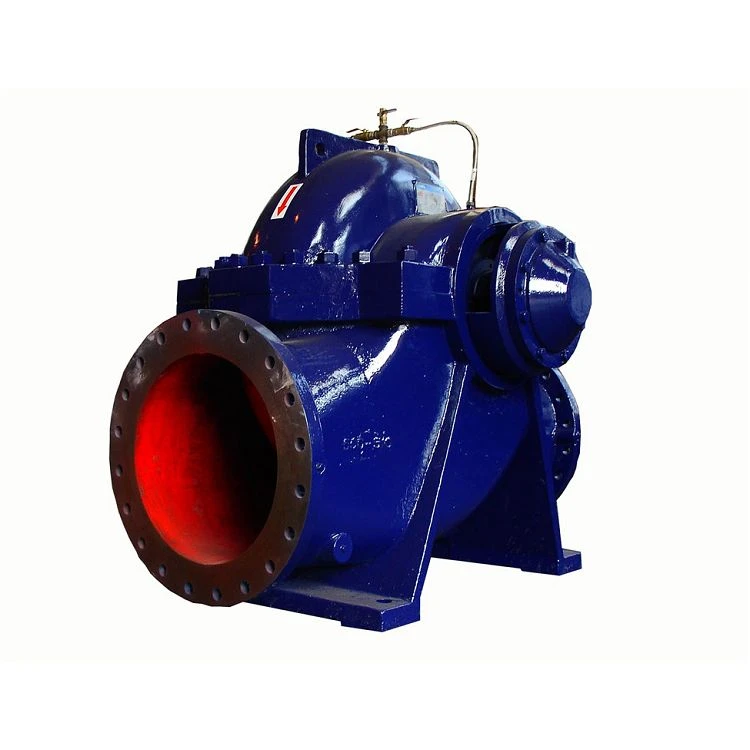
If you're in the market for a centrifugal pump, we offer a wide range of high-quality pumps, including Single Stage Double-Suction Centrifugal Pump, Horizontal Split Casing Centrifugal Pump, and Vertical Multistage Pump. Our pumps are designed to provide reliable and efficient operation, even in the most demanding applications.
If you have any questions or would like to discuss your centrifugal pump needs, please don't hesitate to contact us. We're here to help you find the right pump for your application and ensure its long-term performance.
References
- Stepanoff, A. J. (1957). Centrifugal and axial flow pumps: theory, design, and application. John Wiley & Sons.
- Karassik, I. J., Messina, J. P., Cooper, P. T., & Heald, C. C. (2008). Pump handbook. McGraw-Hill.
- Japikse, D. (1997). Centrifugal pump design and application. Turbomachinery Laboratory.