Hey there! As a supplier of Vertical In-Line Pumps, I've seen my fair share of issues that customers face with these pumps. In this blog, I'm gonna talk about the common problems with vertical in-line pumps and how to solve them.
Common Problems with Vertical In-Line Pumps
1. Cavitation
Cavitation is one of the most common problems in vertical in-line pumps. It occurs when the pressure in the pump drops below the vapor pressure of the liquid being pumped. This causes the formation of vapor bubbles, which then collapse when they reach a higher-pressure area. The collapse of these bubbles can cause damage to the pump impeller, casing, and other components, leading to reduced pump efficiency and increased maintenance costs.
The main causes of cavitation include low suction pressure, high liquid temperature, and a clogged suction line. If the suction pressure is too low, the liquid may start to boil and form vapor bubbles. High liquid temperature can also lower the vapor pressure of the liquid, making it more likely to cavitate. A clogged suction line restricts the flow of liquid into the pump, causing a drop in pressure at the suction side.
2. Leakage
Leakage is another frequent issue. It can occur at the pump seals, flanges, or connections. Pump seals are designed to prevent the liquid from leaking out of the pump, but over time, they can wear out or become damaged. Flanges and connections may also develop leaks due to improper installation, vibration, or corrosion.
Leakage not only leads to a loss of the pumped liquid but can also cause safety hazards, especially if the liquid is hazardous or flammable. It can also result in environmental pollution and increased operating costs due to the need to replace the lost liquid.
3. Vibration
Excessive vibration in vertical in-line pumps can be a sign of various underlying problems. It can be caused by unbalanced impellers, misaligned shafts, loose mounting, or cavitation. An unbalanced impeller creates uneven forces as it rotates, causing the pump to vibrate. Misaligned shafts can put extra stress on the bearings and other components, leading to premature wear and vibration. Loose mounting allows the pump to move around, increasing the vibration level. And as mentioned earlier, cavitation can also cause significant vibration.
Vibration can damage the pump components, reduce the pump's lifespan, and even cause noise pollution. It can also lead to the loosening of bolts and connections, further exacerbating the problem.
4. Low Flow or Pressure
Sometimes, vertical in-line pumps may not deliver the expected flow rate or pressure. This can be due to a clogged impeller, a worn-out pump, or incorrect pump sizing. A clogged impeller restricts the flow of liquid through the pump, reducing the flow rate and pressure. A pump that has been in use for a long time may experience wear and tear on its components, such as the impeller and volute, which can also lead to a decrease in performance. Incorrect pump sizing means that the pump may not be capable of generating the required flow and pressure for the specific application.
Solutions to the Common Problems
1. Solving Cavitation
To prevent cavitation, first, make sure the suction pressure is adequate. You can check the suction pressure using a pressure gauge and adjust it if necessary. If the suction pressure is too low, you may need to increase the elevation of the liquid source or use a booster pump.
Keep the liquid temperature within the recommended range. If the liquid is too hot, you can use a cooling system to lower its temperature. And regularly inspect and clean the suction line to ensure there are no blockages. If the suction line is clogged, you can use a cleaning agent or a mechanical cleaning method to remove the debris.
2. Fixing Leakage
For pump seals, replace them regularly according to the manufacturer's recommendations. When installing new seals, make sure they are properly aligned and tightened. For flange and connection leaks, check the gaskets and tighten the bolts. If the gaskets are damaged, replace them. You can also use sealants to prevent leakage at the connections.
If the leakage is due to corrosion, you may need to use corrosion-resistant materials for the pump components or apply a protective coating to the affected areas.
3. Reducing Vibration
To address vibration caused by an unbalanced impeller, have the impeller balanced by a professional. This involves adding or removing weights from the impeller to ensure it rotates evenly. For misaligned shafts, realign them using proper alignment tools. Make sure the pump is properly mounted and all the bolts are tightened securely. If cavitation is the cause of the vibration, follow the steps mentioned above to solve the cavitation problem.
4. Improving Low Flow or Pressure
If the impeller is clogged, disassemble the pump and clean the impeller thoroughly. Use a soft brush or a cleaning solution to remove any debris. If the pump is worn out, consider replacing the worn components or the entire pump if necessary. And when selecting a pump, make sure to choose the right size for your application. You can consult with a pump expert to determine the appropriate pump specifications based on your flow and pressure requirements.
Our Vertical In-Line Pumps and Related Products
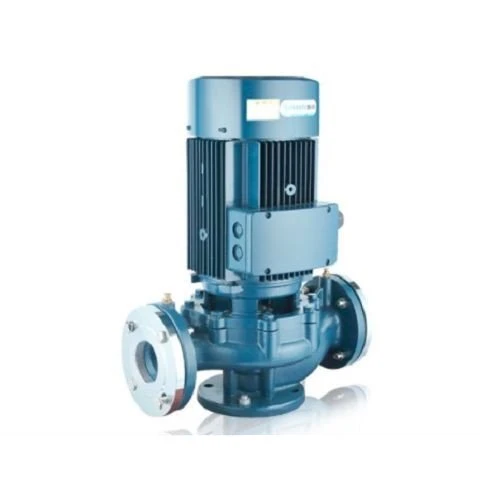
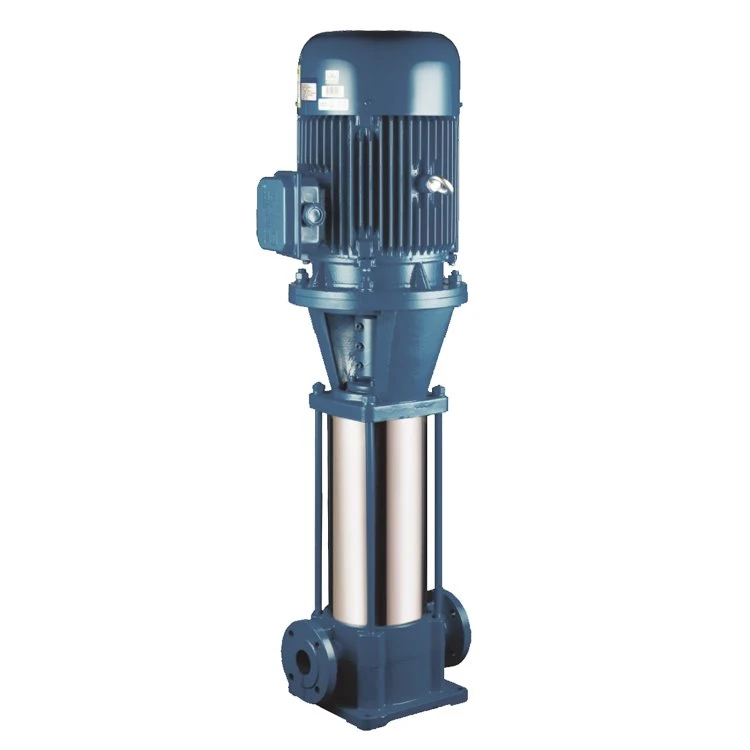
At our company, we offer high - quality Vertical In Line Pump. Our pumps are designed with the latest technology to minimize the occurrence of these common problems. We also provide a range of related products such as End Suction Centrifugal Pump and Vertical Multistage Pump to meet different customer needs.
If you're facing any issues with your vertical in-line pumps or are looking to purchase a new one, don't hesitate to reach out. We have a team of experts who can provide you with professional advice and solutions. Whether it's troubleshooting an existing problem or helping you select the right pump for your application, we're here to assist you. Contact us today to start a procurement discussion and find the best pump solution for you.
References
- Pump Handbook, Third Edition by Igor J. Karassik et al.
- Centrifugal Pumps: Design and Application by Heinz P. Bloch and Allan R. Budris.