As a supplier of Pump Shaft, I've witnessed firsthand the critical role these components play in the efficient operation of pumps. A broken pump shaft can bring an entire system to a halt, causing significant downtime and potentially costly repairs. In this blog, I'll delve into the various factors that can lead to pump shaft failure, drawing on my industry experience and knowledge.
1. Mechanical Overloading
One of the most common causes of pump shaft breakage is mechanical overloading. This occurs when the shaft is subjected to forces beyond its design capacity. For example, if a pump is required to handle a higher flow rate or pressure than it was originally intended for, the shaft will experience excessive stress. This can happen due to improper system design, changes in the operating conditions, or even operator error.
In some cases, the overloading may be gradual, such as when a pump is slowly increasing its output over time. In other instances, it can be sudden, like a blockage in the pipeline that causes a rapid increase in pressure. Regardless of the cause, the result is the same: the shaft is pushed beyond its limits, leading to fatigue and eventually breakage.
To prevent mechanical overloading, it's crucial to ensure that the pump is properly sized for the application. This involves considering factors such as the flow rate, pressure, and temperature requirements. Additionally, regular maintenance and monitoring can help detect any signs of overloading early on, allowing for corrective action to be taken before a catastrophic failure occurs.
2. Misalignment
Misalignment is another significant factor that can contribute to pump shaft failure. When the pump and motor are not properly aligned, it creates additional stress on the shaft. There are two main types of misalignment: angular and parallel.
Angular misalignment occurs when the centerlines of the pump and motor are not in the same plane, creating an angle between them. Parallel misalignment, on the other hand, happens when the centerlines are parallel but offset from each other. Both types of misalignment can cause uneven loading on the shaft, leading to premature wear and eventual breakage.
Misalignment can be caused by a variety of factors, including improper installation, thermal expansion, and vibration. To minimize the risk of misalignment, it's essential to follow the manufacturer's installation guidelines carefully. Regular alignment checks should also be performed as part of the maintenance routine to ensure that the pump and motor remain properly aligned.
3. Fatigue
Fatigue is a gradual process that occurs when a material is subjected to repeated cyclic loading. In the case of a pump shaft, this can be caused by the normal operation of the pump, such as the rotation of the shaft and the fluctuating loads it experiences. Over time, these cyclic loads can cause microscopic cracks to form in the shaft material. As these cracks grow, they weaken the shaft and eventually lead to failure.
The rate at which fatigue occurs depends on several factors, including the magnitude of the cyclic loads, the number of cycles, and the material properties of the shaft. To reduce the risk of fatigue failure, it's important to use high-quality materials with good fatigue resistance. Additionally, proper design and manufacturing techniques can help minimize stress concentrations in the shaft, which can accelerate the fatigue process.
4. Corrosion
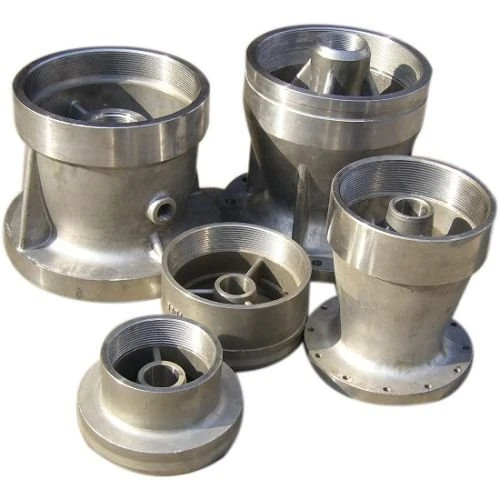
Corrosion is a major concern, especially in applications where the pump is exposed to harsh environments. Sea Water Pump Parts are particularly susceptible to corrosion due to the high salt content in seawater. Corrosion can weaken the shaft material, making it more prone to breakage.
There are several types of corrosion that can affect pump shafts, including uniform corrosion, pitting corrosion, and stress corrosion cracking. Uniform corrosion occurs when the entire surface of the shaft is attacked by the corrosive medium, gradually thinning the shaft wall. Pitting corrosion, on the other hand, creates small pits or holes in the shaft surface, which can act as stress concentrators and lead to crack initiation. Stress corrosion cracking occurs when a combination of stress and corrosion causes cracks to form in the shaft material.
To prevent corrosion, it's important to select the appropriate materials for the application. For example, stainless steel is often used in marine applications due to its excellent corrosion resistance. Additionally, protective coatings can be applied to the shaft surface to provide an additional layer of protection against corrosion.
5. Vibration
Vibration is a common problem in pump systems and can have a significant impact on the lifespan of the pump shaft. Excessive vibration can cause the shaft to experience additional stress, leading to fatigue and eventual breakage. Vibration can be caused by a variety of factors, including unbalanced rotating components, misalignment, and cavitation.
Unbalanced rotating components, such as impellers or couplings, can create an uneven distribution of mass, causing the shaft to vibrate. Misalignment, as mentioned earlier, can also lead to vibration by creating additional forces on the shaft. Cavitation, which occurs when the pressure in the pump drops below the vapor pressure of the liquid, can cause bubbles to form and collapse, creating shock waves that can damage the shaft.
To reduce vibration, it's important to ensure that all rotating components are properly balanced. Additionally, regular maintenance and monitoring can help detect any signs of vibration early on, allowing for corrective action to be taken. This may include realigning the pump and motor, replacing worn or damaged components, or implementing vibration isolation measures.
6. Improper Lubrication
Proper lubrication is essential for the smooth operation of a pump shaft. Lubrication helps reduce friction and wear between the shaft and the bearings, as well as dissipate heat generated during operation. Without adequate lubrication, the shaft can experience excessive wear and overheating, leading to premature failure.
There are several factors that can contribute to improper lubrication, including insufficient lubricant supply, contamination of the lubricant, and incorrect lubricant selection. Insufficient lubricant supply can be caused by a variety of factors, such as a clogged lubrication line or a malfunctioning lubrication system. Contamination of the lubricant can occur due to the ingress of dirt, water, or other foreign particles, which can reduce the lubricant's effectiveness and cause damage to the shaft and bearings. Incorrect lubricant selection can also lead to problems, as different applications require different types of lubricants with specific properties.
To ensure proper lubrication, it's important to follow the manufacturer's recommendations regarding lubricant type, quantity, and frequency of lubrication. Regular maintenance and monitoring of the lubrication system can also help detect any signs of problems early on, allowing for corrective action to be taken.
Conclusion
In conclusion, a pump shaft can break due to a variety of factors, including mechanical overloading, misalignment, fatigue, corrosion, vibration, and improper lubrication. As a Pump Shaft supplier, I understand the importance of providing high-quality products and offering expert advice to help prevent pump shaft failure. By addressing these potential issues through proper design, installation, maintenance, and monitoring, you can extend the lifespan of your pump shafts and ensure the reliable operation of your pump systems.
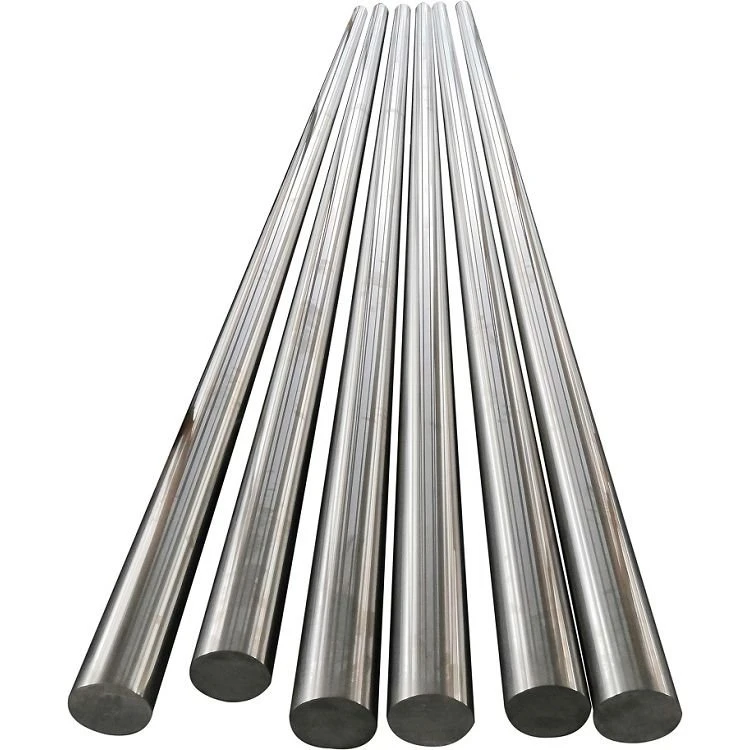
If you're facing pump shaft problems or are in need of high-quality pump shafts, I encourage you to reach out to me for a consultation. I'm here to help you find the best solutions for your specific needs and ensure the long-term success of your pumping operations.
References
- "Pump Handbook" by Igor J. Karassik et al.
- "Mechanical Engineering Design" by Joseph E. Shigley and Charles R. Mischke.
- "Corrosion Engineering" by Mars G. Fontana.