Hey there! As a supplier of sea water pumps, I've seen firsthand the wide variety of pumps out there that are designed to handle the unique challenges of seawater. In this blog, I'll be diving into the common types of sea water pumps, what makes them tick, and where they're typically used.
1. Submersible Sea Water Pump
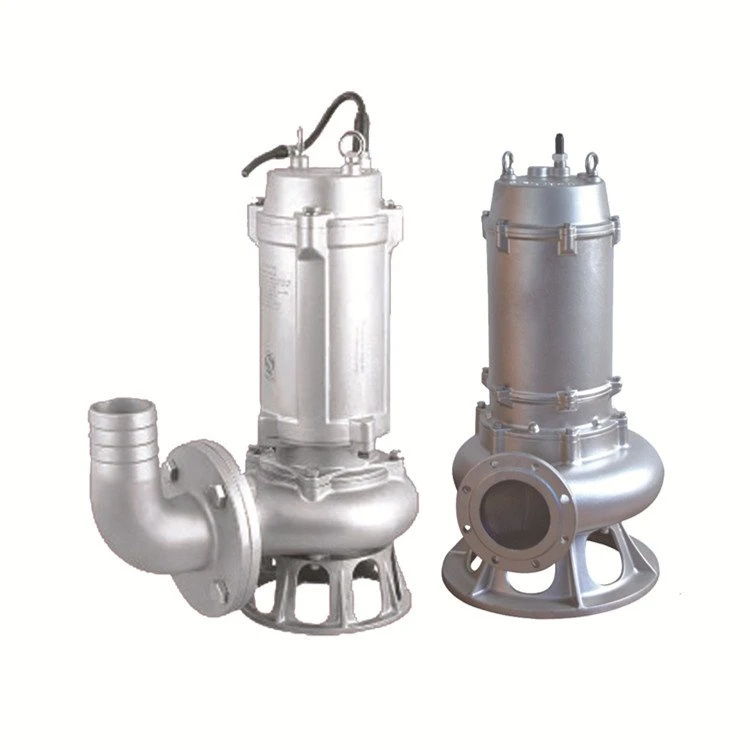
Let's start with the submersible sea water pump. These pumps are pretty cool because they're designed to be fully submerged in seawater. That's right, they can work while sitting right in the water they're pumping.
The main advantage of a Submersible Sea Water Pump is its efficiency. Since it's already in the water, it doesn't have to waste energy sucking the water up from a distance. This makes it great for applications where you need to move a large volume of water quickly.
One common use for submersible sea water pumps is in aquaculture. In fish farms, for example, these pumps are used to circulate seawater through the tanks, ensuring that the fish have a constant supply of fresh, oxygenated water. They're also used in desalination plants to draw in seawater for the desalination process.
Another place you'll find submersible sea water pumps is in offshore oil and gas platforms. These platforms need to pump seawater for various purposes, like cooling equipment and fire suppression systems. Submersible pumps are ideal here because they can be easily installed in the sea and can handle the high-pressure requirements of these operations.
2. Centrifugal Sea Water Pump
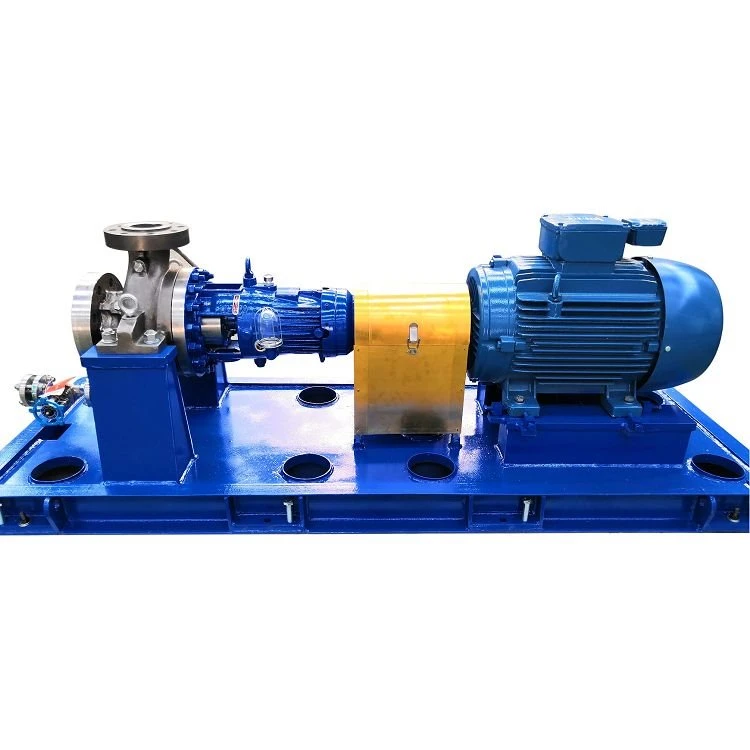
Next up is the centrifugal sea water pump. These are probably the most commonly used type of sea water pumps. The basic principle behind a centrifugal pump is pretty simple. It uses an impeller, which is like a spinning wheel with blades, to create a centrifugal force that pushes the water outwards.
Centrifugal Sea Water Pump are known for their high flow rates. They can move a large amount of water in a short period of time, which makes them perfect for applications like ship ballasting. When a ship is loading or unloading cargo, it needs to adjust its ballast to maintain stability. Centrifugal pumps are used to pump seawater in and out of the ballast tanks to achieve this.
They're also widely used in coastal power plants. These plants often use seawater for cooling purposes, and centrifugal pumps are used to circulate the water through the cooling systems. The high flow rates of these pumps ensure that the power plant can maintain its operating temperature efficiently.
One thing to note about centrifugal sea water pumps is that they need to be primed before they can start working. Priming means filling the pump with water to remove any air pockets. This is because air can prevent the pump from creating the necessary pressure to move the water.
3. Diaphragm Sea Water Pump
Diaphragm sea water pumps are a bit different from the previous two types. These pumps use a flexible diaphragm that moves back and forth to create a pumping action. As the diaphragm moves, it creates a vacuum on one side, which draws in seawater, and then pushes the water out on the other side.
One of the big advantages of diaphragm sea water pumps is their ability to handle solids. Since the pumping action is created by the movement of the diaphragm, these pumps can handle small particles and debris in the seawater without getting clogged. This makes them great for applications like dredging, where there's a lot of sediment in the water.
They're also used in some small-scale desalination plants and in coastal research facilities. In these settings, the ability to handle solids and the relatively low flow rates of diaphragm pumps can be an advantage.
However, diaphragm pumps do have some limitations. They generally have lower flow rates compared to centrifugal pumps, and they can be a bit more expensive to maintain because the diaphragm needs to be replaced periodically.
4. Piston Sea Water Pump
Piston sea water pumps are another type that you might come across. These pumps use a piston that moves up and down inside a cylinder to create a pumping action. As the piston moves down, it creates a vacuum that draws in seawater, and then as it moves up, it pushes the water out.
Piston sea water pumps are known for their high-pressure capabilities. They can generate very high pressures, which makes them suitable for applications like high-pressure cleaning in marine environments. For example, they can be used to clean the hulls of ships, removing barnacles and other marine growth.
They're also used in some deep-sea exploration projects. When you're working at great depths, you need a pump that can handle the high pressures of the surrounding seawater. Piston pumps are up to the task because they can generate pressures that are higher than the ambient pressure at those depths.
However, piston pumps are generally more complex and expensive than other types of pumps. They also require more maintenance because of the moving parts, such as the piston and the seals.
5. Axial Flow Sea Water Pump
Axial flow sea water pumps are designed to move water in a straight line, parallel to the axis of the pump. These pumps use a propeller-like impeller that rotates to create a flow of water.
The main advantage of axial flow sea water pumps is their high flow rates at low heads. Head refers to the height that the pump needs to lift the water. So, if you need to move a large volume of water over a short distance, an axial flow pump is a great choice.
You'll often find axial flow sea water pumps in flood control systems. When there's a flood, these pumps can quickly move large amounts of water out of low-lying areas to prevent further flooding. They're also used in some large-scale water transfer projects, where water needs to be moved from one location to another over a relatively flat terrain.
Which Pump is Right for You?
So, now that you know about the common types of sea water pumps, how do you choose the right one for your needs? Well, it really depends on a few factors.
First, consider the flow rate you need. If you need to move a large volume of water quickly, a centrifugal or axial flow pump might be the best choice. On the other hand, if you only need to move a small amount of water, a diaphragm or piston pump could work.
Next, think about the pressure requirements. If you need to pump water to a high elevation or through a long pipe, you'll need a pump that can generate high pressures, like a piston pump.
You also need to consider the presence of solids in the water. If there are a lot of solids, a diaphragm pump might be a better option because it can handle them without getting clogged.
Finally, think about your budget and maintenance requirements. Some pumps, like piston pumps, are more expensive to buy and maintain, while others, like centrifugal pumps, are more affordable and easier to maintain.
Get in Touch for Your Sea Water Pump Needs
If you're in the market for a sea water pump and you're not sure which type is right for you, don't worry! As a supplier, I'm here to help. I have a wide range of sea water pumps available, and I can work with you to find the perfect pump for your specific application.
Whether you need a pump for your aquaculture farm, a coastal power plant, or a ship, I've got you covered. Just reach out, and we can start discussing your requirements and finding the best solution for you. Let's work together to get your sea water pumping needs sorted!
References
- "Pump Handbook" by Igor Karassik et al.
- "Marine Engineering: Principles and Practice" by Jack F. Carlton.