Hey there! I'm a supplier of sea water pumps, and today I want to chat about a super important topic: what is the back - pressure tolerance of a sea water pump?
First off, let's understand what back - pressure is. Back - pressure is basically the resistance a pump has to overcome to push fluid through a system. In the case of a sea water pump, this could be due to a bunch of factors like the length and diameter of the pipes, the number of bends in the pipeline, and the height the water needs to be lifted.
Now, why is back - pressure tolerance such a big deal? Well, if a sea water pump can't handle the back - pressure in a system, it's going to face some serious issues. It might not be able to pump the water effectively, leading to reduced flow rates. In worse - case scenarios, it could even cause damage to the pump itself.
So, how do we determine the back - pressure tolerance of a sea water pump? There are a few key things to consider.
Pump Design and Type
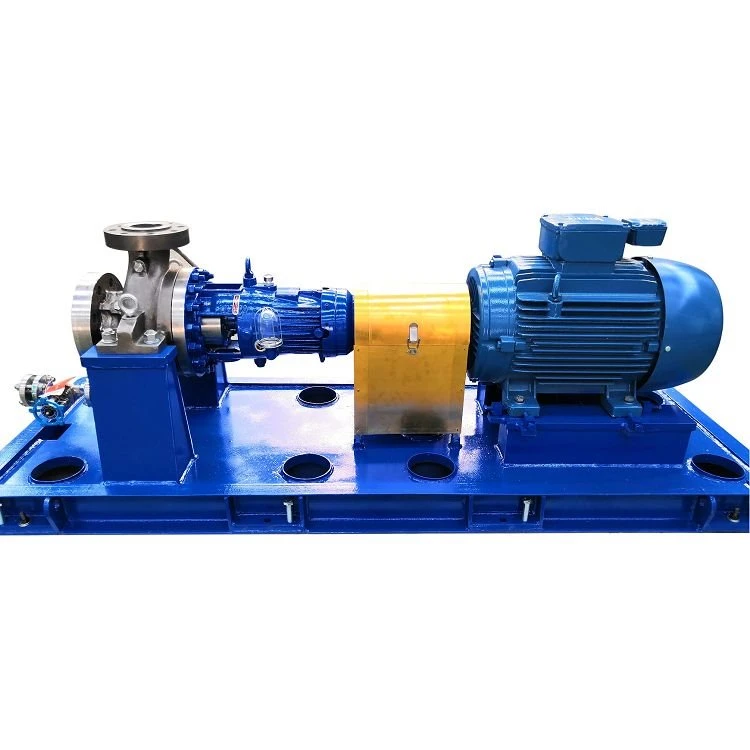
The design and type of the sea water pump play a huge role in its back - pressure tolerance. For example, Centrifugal Sea Water Pump are quite common. These pumps work by using a rotating impeller to create a centrifugal force that moves the water. They're great for high - flow applications, but their back - pressure tolerance can vary.
Centrifugal pumps generally have a certain curve that shows how their performance changes with different levels of back - pressure. As the back - pressure increases, the flow rate of a centrifugal pump will typically decrease. However, some well - designed centrifugal sea water pumps can handle relatively high back - pressures without too much of a drop in performance.
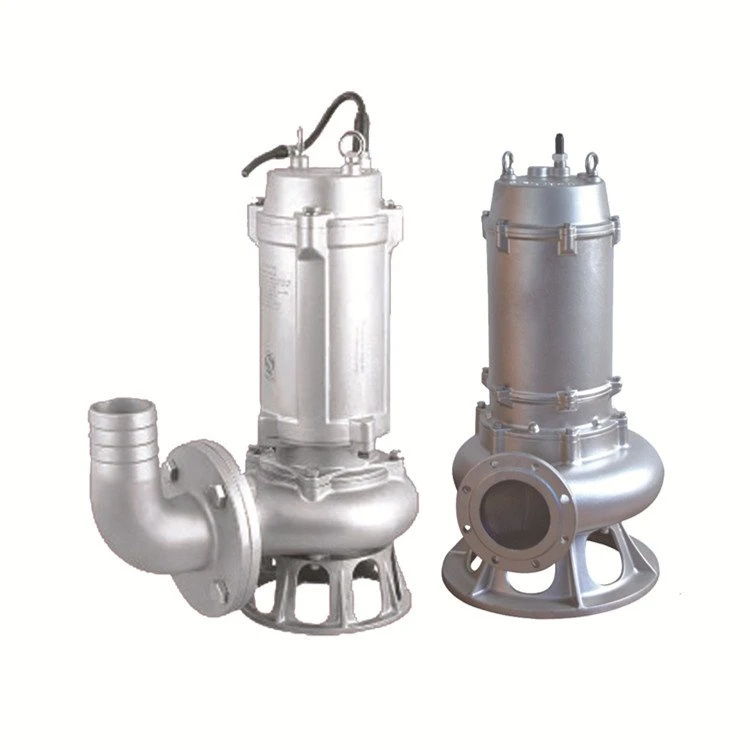
On the other hand, Submersible Sea Water Pump are designed to be submerged in the water. They're often used in applications where space is limited or where the water source is deep. Submersible pumps usually have a more compact design and can sometimes handle higher back - pressures compared to some centrifugal pumps. This is because they can use the water pressure around them to assist in the pumping process.
Material and Construction
The materials used to build the sea water pump also impact its back - pressure tolerance. Sea water is a harsh environment, full of salt and other corrosive substances. Pumps made from high - quality, corrosion - resistant materials like stainless steel or special alloys are more likely to withstand the stress caused by back - pressure.
For instance, a pump with a well - reinforced casing and a sturdy impeller is better able to handle the forces exerted by high back - pressures. If the materials are weak or prone to corrosion, the pump may start to leak or even break down under pressure.
Operational Conditions
The way a sea water pump is operated can also affect its back - pressure tolerance. For example, if the pump is constantly running at a high speed, it may be more susceptible to damage from back - pressure. On the other hand, if the pump is operated within its recommended speed and flow range, it can better handle the back - pressure.
Also, the temperature of the sea water can play a role. Warmer water is less viscous than colder water, which means the pump may face less resistance when pumping warm water. But extreme temperatures, either hot or cold, can still put stress on the pump and potentially reduce its back - pressure tolerance.
Testing and Certification
Reputable sea water pump suppliers will test their pumps to determine their back - pressure tolerance. These tests are usually carried out in a controlled environment where the back - pressure can be accurately measured and adjusted.
Pumps that meet certain industry standards and certifications are more likely to have reliable back - pressure tolerance. For example, pumps that are certified by organizations like the American Society of Mechanical Engineers (ASME) or the International Organization for Standardization (ISO) have been tested to ensure they can handle specific levels of back - pressure.
Why It Matters for Your Business
If you're in the market for a sea water pump, understanding back - pressure tolerance is crucial. A pump with the right back - pressure tolerance can save you a lot of headaches in the long run. It'll ensure that your system operates efficiently, reducing energy costs and minimizing the risk of breakdowns.
For example, if you're using a sea water pump for a desalination plant, you need a pump that can handle the high back - pressure created by the filtration and purification processes. Using a pump with insufficient back - pressure tolerance could lead to reduced production rates and increased maintenance costs.
On the other hand, if you're using a sea water pump for a simple cooling system, you may not need a pump with extremely high back - pressure tolerance. But it's still important to choose a pump that can handle the normal operating conditions of your system.
How to Choose the Right Pump
When you're looking for a sea water pump, here are some steps to help you choose one with the right back - pressure tolerance:
- Assess Your System: Figure out the maximum back - pressure your system is likely to create. Consider factors like pipe length, diameter, and the height of the water flow.
- Research Pump Types: Look into different types of sea water pumps, like centrifugal and submersible pumps, and see which ones are best suited for your application.
- Check the Manufacturer's Specifications: The manufacturer should provide information about the pump's back - pressure tolerance. Make sure to read these specifications carefully.
- Ask for Recommendations: If you're not sure which pump to choose, don't hesitate to ask other professionals in the industry or the pump supplier for advice.
Conclusion
In conclusion, the back - pressure tolerance of a sea water pump is a critical factor that can affect its performance and longevity. As a sea water pump supplier, I know how important it is to choose the right pump for your specific needs. Whether you need a Centrifugal Sea Water Pump or a Submersible Sea Water Pump, understanding back - pressure tolerance will help you make an informed decision.
If you're interested in purchasing a sea water pump or have any questions about back - pressure tolerance, feel free to reach out. We're here to help you find the perfect pump for your system.
References
- ASME Boiler and Pressure Vessel Code
- ISO standards related to pumps and pumping systems
- Technical literature from leading sea water pump manufacturers