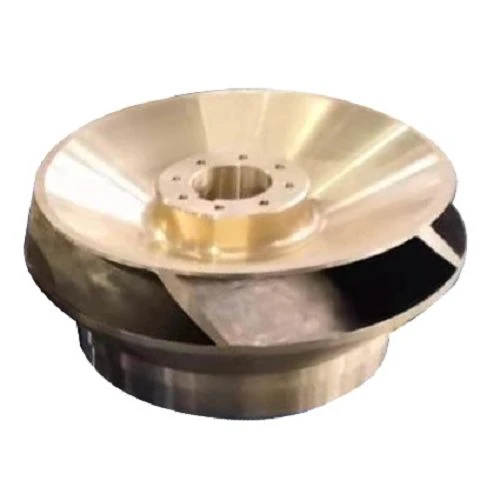
Bronze pump impellers are a crucial component in many pumping systems, offering a unique blend of mechanical strength, corrosion resistance, and other beneficial properties. One aspect that is often overlooked but highly significant is their electrical conductivity. In this blog post, we'll explore the electrical conductivity properties of bronze pump impellers, why they matter, and how they compare to other materials like Cast Iron Pump Impeller and Stainless Steel Pump Impeller. As a leading supplier of Bronze Pump Impeller, we have in - depth knowledge of these components and their characteristics.
What is Bronze and How Does it Relate to Pump Impellers?
Bronze is an alloy primarily composed of copper and tin, with small amounts of other elements such as zinc, lead, or phosphorus. The addition of these elements can modify the properties of the alloy to suit different applications. In the context of pump impellers, bronze offers excellent corrosion resistance, good machinability, and high strength.
Pump impellers are responsible for transferring energy from the motor to the fluid being pumped. They need to be durable and able to withstand the forces and conditions within the pump system. Bronze impellers are commonly used in a variety of industries, including marine, chemical processing, and water treatment, due to their ability to resist corrosion in different environments.
Electrical Conductivity of Bronze
Copper, the main component of bronze, is well - known for its high electrical conductivity. It is second only to silver in terms of its ability to conduct electricity. When tin and other alloying elements are added to copper to form bronze, the electrical conductivity is reduced compared to pure copper. However, bronze still retains a relatively high level of electrical conductivity.
The exact electrical conductivity of bronze depends on its composition. For example, phosphor - bronze, which contains a small amount of phosphorus, has slightly different electrical properties compared to aluminum - bronze, which contains aluminum. Generally, the electrical conductivity of bronze ranges from about 20% to 40% of that of pure copper.
Why Electrical Conductivity Matters in Pump Impellers
Static Electricity Dissipation
In many pumping applications, especially those involving fluids with high flow rates or in environments where static electricity can build up, the electrical conductivity of the pump impeller is crucial. Static electricity can cause a variety of problems, including sparking, which can be a fire or explosion hazard in flammable environments. A bronze pump impeller can conduct static charges away from the impeller surface, reducing the risk of static - related incidents.
Electrochemical Corrosion
Electrical conductivity also plays a role in electrochemical corrosion. When different metals are in contact with each other in an electrolyte (such as water), a galvanic cell can be formed. This can lead to accelerated corrosion of one of the metals. Bronze, with its moderate electrical conductivity, can help to minimize the potential for galvanic corrosion when used in a pump system. By allowing a more uniform distribution of electrical potential across the impeller surface, the risk of localized corrosion is reduced.
Monitoring and Sensing
In some advanced pump systems, electrical conductivity can be used for monitoring and sensing purposes. For example, changes in the electrical conductivity of the impeller can indicate wear or damage. Sensors can be installed to detect these changes, allowing for proactive maintenance and preventing costly breakdowns.
Comparison with Other Pump Impeller Materials
Cast Iron Pump Impellers
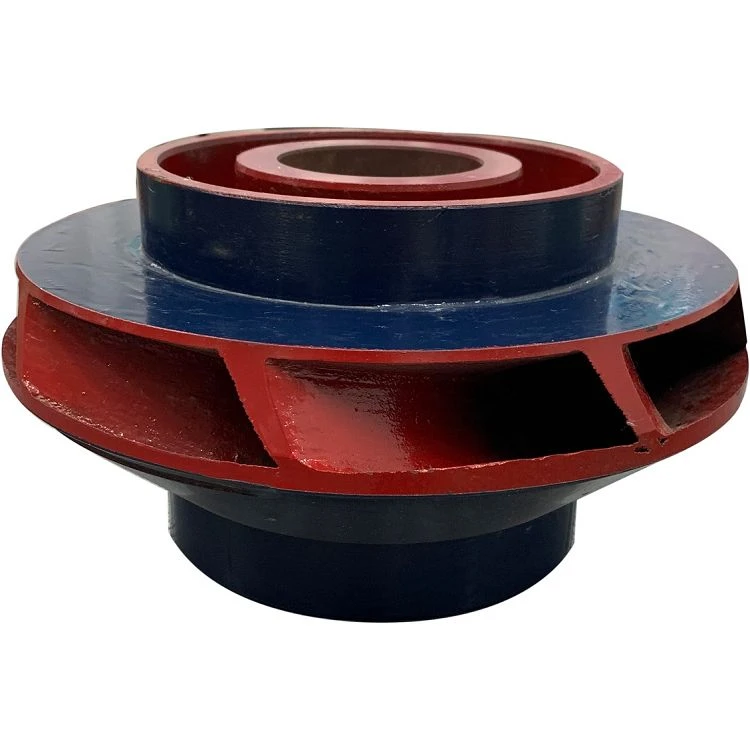
Cast iron is a popular material for pump impellers due to its low cost and high strength. However, in terms of electrical conductivity, cast iron is much lower than bronze. Cast iron is a poor conductor of electricity, which means it is less effective at dissipating static charges. In applications where static electricity is a concern, a bronze impeller would be a better choice. Additionally, cast iron is more prone to electrochemical corrosion compared to bronze, especially in environments with high moisture or corrosive chemicals.
Stainless Steel Pump Impellers
Stainless steel is another common material for pump impellers, known for its excellent corrosion resistance. The electrical conductivity of stainless steel is also lower than that of bronze. While stainless steel can resist corrosion in many environments, it may not be as effective as bronze in dissipating static electricity. In some cases, the combination of lower electrical conductivity and high strength of stainless steel can lead to more severe electrochemical corrosion when in contact with other metals in a pump system.
Applications Where Electrical Conductivity of Bronze Pump Impellers is Advantageous
Marine Applications
In marine environments, pump impellers are constantly exposed to saltwater, which is a highly conductive electrolyte. The electrical conductivity of bronze helps to prevent galvanic corrosion between the impeller and other components in the pump system. Additionally, the ability to dissipate static charges is important on ships, where flammable fuels and gases are present.
Chemical Processing
In chemical processing plants, pumps are used to transfer a wide variety of fluids, some of which may be flammable or corrosive. Bronze pump impellers can safely handle these fluids while also providing the necessary electrical conductivity to prevent static - related hazards. The moderate electrical conductivity also helps to protect the impeller from electrochemical corrosion in the presence of different chemicals.
Water Treatment
In water treatment facilities, pumps are used to move large volumes of water. The electrical conductivity of bronze impellers can be beneficial in preventing static build - up during the pumping process. Moreover, the corrosion resistance of bronze ensures a long service life in the wet and often chemically treated environment of water treatment plants.
Our Role as a Bronze Pump Impeller Supplier
As a supplier of bronze pump impellers, we understand the importance of the electrical conductivity properties of these components. We ensure that our bronze impellers are made from high - quality alloys with the right composition to provide optimal electrical conductivity for different applications. Our manufacturing process is carefully controlled to maintain the integrity of the alloy and its electrical properties.
We work closely with our customers to understand their specific requirements and recommend the most suitable bronze pump impeller for their needs. Whether it's a small - scale water pumping system or a large - scale industrial application, we have the expertise and experience to provide a reliable solution.
Conclusion
The electrical conductivity properties of bronze pump impellers are an important factor that should not be overlooked. From static electricity dissipation to preventing electrochemical corrosion, these properties contribute to the overall performance and safety of pump systems. Compared to other materials like cast iron and stainless steel, bronze offers a unique balance of electrical conductivity, corrosion resistance, and mechanical strength.
If you are in the market for a pump impeller and are considering the electrical conductivity properties, we encourage you to contact us. Our team of experts can provide you with detailed information and help you make an informed decision. Whether you need a standard bronze pump impeller or a custom - designed solution, we are here to assist you in your procurement process.
References
- Davis, J. R. (Ed.). (2001). ASM Specialty Handbook: Copper and Copper Alloys. ASM International.
- Shreir, L. L., Jarman, R. A., & Burstein, G. T. (Eds.). (1994). Corrosion. Butterworth - Heinemann.
- Trojanowski, D. J. (2004). Pump Handbook (4th ed.). McGraw - Hill.