Stainless steel bowls are a staple in many kitchens, from home cooking spaces to professional culinary environments. One question that often arises among consumers is whether stainless steel bowls have a non - stick surface. As a supplier of Stainless Steel Bowl, I'm here to delve into this topic and provide you with accurate, science - backed information.
The Basics of Stainless Steel
Stainless steel is an alloy composed mainly of iron, along with chromium, nickel, and other elements. The addition of chromium is crucial as it forms a thin, invisible layer of chromium oxide on the surface of the steel. This layer is passive, which means it prevents further oxidation and corrosion of the steel, giving stainless steel its characteristic resistance to rust and staining.
In terms of its surface properties, stainless steel is inherently smooth. However, this smoothness does not necessarily equate to a non - stick surface. A non - stick surface is typically defined as one that allows food or other substances to release easily without significant residue or sticking.
Factors Affecting the "Non - Stick" Perception
Surface Finish
The surface finish of a stainless steel bowl plays a significant role in how food interacts with it. A highly polished stainless steel surface is smoother and may give the impression of being more non - stick compared to a rougher finish. When the surface is polished, there are fewer microscopic irregularities for food particles to adhere to.
However, even a polished surface is not truly non - stick. Food can still stick to it, especially when cooking at high temperatures or when using ingredients that are prone to caramelization or sticking, such as sugary or starchy foods. For example, if you're making a caramel sauce in a stainless steel bowl, some of the caramel will likely stick to the sides and bottom of the bowl.
Heat Distribution
Stainless steel has relatively poor heat conductivity compared to materials like copper or aluminum. When cooking in a stainless steel bowl, heat may not be evenly distributed across the surface. This uneven heating can cause food to stick in areas where the temperature is higher. For instance, if you're sautéing vegetables in a stainless steel bowl on a stovetop, the vegetables may start to burn and stick in spots where the heat is concentrated.
Interaction with Food
The chemical composition of the food also affects how it sticks to a stainless steel bowl. Acidic foods, such as tomatoes or citrus juices, can react with the metal in the bowl over time. While this reaction is usually minor and not harmful, it can cause a slight change in the surface properties of the bowl, potentially making it more likely for food to stick. Additionally, proteins in food can denature and adhere to the surface of the stainless steel, especially when cooked at high temperatures.
Non - Stick Coatings on Stainless Steel Bowls
To address the issue of food sticking, some manufacturers apply non - stick coatings to stainless steel bowls. These coatings are typically made of materials like polytetrafluoroethylene (PTFE), also known as Teflon. PTFE has a very low coefficient of friction, which means that food slides off the surface easily.
However, there are some considerations when it comes to non - stick coated stainless steel bowls. First, the non - stick coating can wear off over time with regular use, especially if abrasive cleaning tools are used. Once the coating is damaged, the bowl loses its non - stick properties and may even become more difficult to clean as food can get trapped in the damaged areas. Second, there have been some concerns about the safety of PTFE coatings, especially when they are overheated. At very high temperatures, PTFE can release toxic fumes.
Comparing with Other Bowl Materials
Glass - Lined Bowls
Glass - Lined Bowl offer a different alternative. Glass is a non - reactive material, which means it doesn't interact with food chemically. It also has a smooth surface that can be relatively easy to clean. However, glass is more fragile than stainless steel and can break if dropped or subjected to sudden temperature changes.

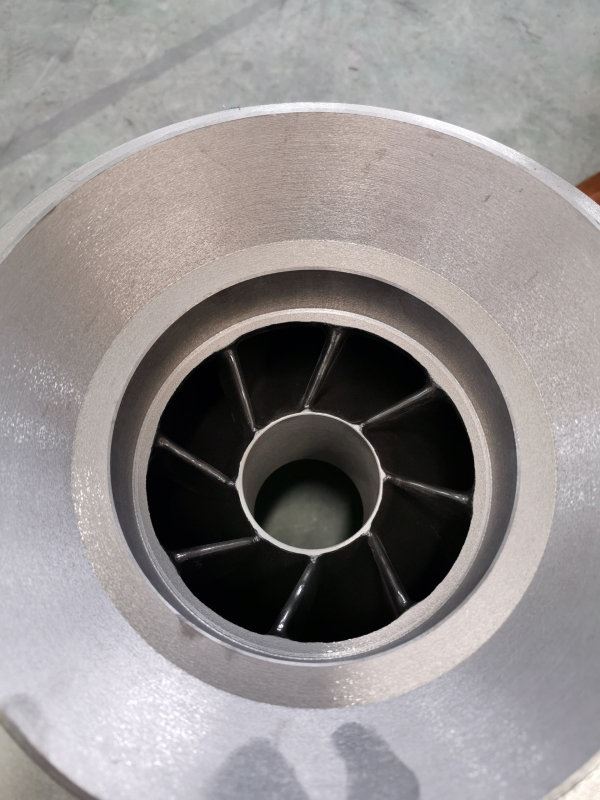
In terms of non - stick properties, glass is similar to stainless steel in that it is not truly non - stick. Food can still stick to it, especially if cooked at high temperatures. But like a polished stainless steel bowl, a clean glass - lined bowl can provide a relatively smooth surface for food preparation.
Ceramic Bowls
Ceramic bowls are another option. They often have a glazed surface that can be non - stick to some extent. However, ceramic is also brittle and can chip or crack. The glaze on ceramic bowls can also wear off over time, reducing its non - stick properties.
Tips for Using Stainless Steel Bowls
If you're using a stainless steel bowl without a non - stick coating, there are several tips you can follow to minimize food sticking:
- Pre - heat the bowl: Before adding food, pre - heat the stainless steel bowl on low heat for a few minutes. This helps to create a thin layer of steam between the food and the bowl, which can prevent sticking.
- Use oil or fat: Adding a small amount of oil or fat to the bowl before cooking can create a lubricating layer that reduces friction between the food and the bowl surface.
- Avoid high heat: Cooking at high temperatures increases the likelihood of food sticking. Use medium - low heat and adjust the temperature as needed.
- Clean properly: After use, clean the stainless steel bowl with a mild detergent and a soft sponge. Avoid using abrasive cleaners or steel wool, as these can scratch the surface and make it more prone to sticking.
Conclusion
In conclusion, stainless steel bowls do not have a truly non - stick surface by nature. While a polished stainless steel surface may seem to have some non - stick qualities, food can still adhere to it, especially under certain cooking conditions. Non - stick coatings can be applied to stainless steel bowls to improve their non - stick performance, but they come with their own set of limitations.
As a supplier of Stainless Steel Bowl, we understand the importance of providing high - quality products that meet the needs of our customers. Whether you're looking for a durable and versatile bowl for everyday cooking or a specialized bowl for a particular culinary task, our stainless steel bowls are a great choice.
If you're interested in purchasing our stainless steel bowls or have any questions about our products, we encourage you to contact us for a procurement discussion. We're committed to providing excellent customer service and helping you find the right bowls for your needs.
References
- Callister, W. D., & Rethwisch, D. G. (2011). Materials Science and Engineering: An Introduction. Wiley.
- Fellows, P. J. (2000). Food Processing Technology: Principles and Practice. CRC Press.