As a seasoned Pump Shaft supplier, I've witnessed firsthand the critical role that pump shafts play in the overall efficiency of pumping systems. The efficiency of a pump shaft is influenced by a multitude of factors, each of which can have a significant impact on the performance and longevity of the pump. In this blog post, I'll delve into these factors, providing insights based on my years of experience in the industry.
Material Quality
The material used to manufacture the pump shaft is one of the most fundamental factors affecting its efficiency. High - quality materials are essential for ensuring the shaft can withstand the mechanical stresses, corrosion, and wear it will encounter during operation.
Stainless steel is a popular choice for pump shafts due to its excellent corrosion resistance. In applications where the pump is handling corrosive fluids such as Sea Water Pump Parts, a stainless - steel shaft can prevent rust and degradation, which would otherwise lead to reduced efficiency and potential failure. For example, in marine environments, seawater contains various salts and minerals that can corrode ordinary steel shafts rapidly. A well - chosen stainless - steel grade, like 316 stainless steel, can resist this corrosion, maintaining the integrity of the shaft and allowing the pump to operate at peak efficiency.
Alloy steels are another option, offering high strength and toughness. They are often used in high - pressure pumping applications where the shaft needs to withstand significant torsional and bending forces. The right alloy composition can be tailored to the specific requirements of the pump, ensuring optimal performance. For instance, in industrial pumps used for high - pressure fluid transfer, alloy steel shafts can handle the intense forces without deforming, which is crucial for maintaining a consistent flow rate and efficient operation.
Design and Geometry
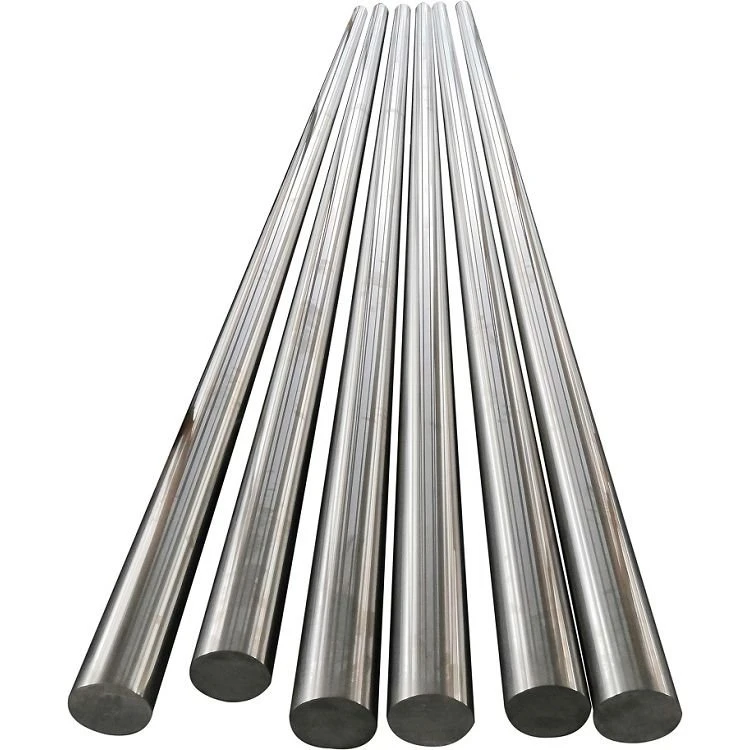
The design and geometry of the pump shaft also play a vital role in its efficiency. The diameter of the shaft is a key consideration. A shaft with an appropriate diameter can transmit the required torque without excessive deflection. If the diameter is too small, the shaft may flex under load, leading to misalignment of the impeller and other pump components. This misalignment can cause increased friction, vibration, and energy losses, ultimately reducing the pump's efficiency.
The length of the shaft is another important factor. A longer shaft may be more prone to bending and vibration, especially at high rotational speeds. Engineers need to carefully calculate the optimal length based on the pump's design and operating conditions. For example, in a vertical pump, the length of the shaft needs to be carefully determined to ensure stable operation and minimize the risk of shaft failure due to excessive bending.
The shape of the shaft, including its surface finish, can also affect efficiency. A smooth surface finish reduces friction between the shaft and the bearings, seals, and other components it comes into contact with. This results in less energy being wasted as heat and allows the pump to operate more efficiently. Additionally, the design of the shaft's keyways and splines, which are used to connect the shaft to the impeller and other components, needs to be precise to ensure a secure and efficient transfer of power.
Bearing and Seal Performance
The performance of the bearings and seals that support the pump shaft is critical for its efficiency. Bearings are responsible for reducing friction and allowing the shaft to rotate smoothly. High - quality bearings with low friction coefficients can significantly improve the pump's efficiency. For example, ceramic bearings are known for their low friction and high - temperature resistance, making them suitable for high - speed and high - temperature pumping applications.
Proper lubrication of the bearings is essential. Insufficient lubrication can lead to increased friction, wear, and heat generation, which can damage the bearings and the shaft. On the other hand, over - lubrication can also cause problems, such as increased drag and energy losses. Regular maintenance and monitoring of the bearing lubrication are necessary to ensure optimal performance.
Seals are used to prevent fluid leakage from the pump and to keep contaminants out. A well - designed and properly installed seal can minimize leakage, which is important for maintaining the pump's efficiency. Leakage not only results in a loss of fluid but also can cause corrosion and damage to the shaft and other pump components. For example, in a pump handling hazardous chemicals, a reliable seal is crucial to prevent leaks that could pose a safety risk and also to ensure the pump operates efficiently by maintaining the proper pressure and flow rate.
Operating Conditions
The operating conditions of the pump can have a profound impact on the efficiency of the shaft. The rotational speed of the pump is a significant factor. Operating the pump at a speed that is too high or too low can affect the shaft's performance. At high speeds, the shaft may experience increased centrifugal forces, which can lead to excessive stress and potential failure. On the other hand, operating at a speed that is too low may not allow the pump to reach its optimal efficiency point.
The temperature of the fluid being pumped also matters. High - temperature fluids can cause thermal expansion of the shaft, which can affect its fit within the bearings and other components. This can lead to increased friction and misalignment. In high - temperature applications, special materials and design considerations need to be taken into account to ensure the shaft can operate effectively. For example, in a boiler feed pump, the shaft needs to be able to withstand the high - temperature and high - pressure steam without deforming or losing its mechanical properties.
The viscosity of the fluid can also influence the pump shaft's efficiency. Pumping a highly viscous fluid requires more energy, and the shaft needs to be able to transmit the additional torque. The design of the pump and the shaft may need to be adjusted to handle viscous fluids efficiently. For instance, in a pump used for pumping heavy oils, the shaft may need to be stronger and the pump's impeller design may need to be optimized to handle the high - viscosity fluid.
Installation and Alignment
Proper installation and alignment of the pump shaft are essential for its efficient operation. During installation, the shaft needs to be accurately aligned with the impeller, motor, and other pump components. Misalignment can cause uneven loading on the shaft, leading to increased wear, vibration, and energy losses.
Precise alignment can be achieved using specialized tools and techniques. For example, laser alignment systems can be used to ensure that the shaft is perfectly centered and parallel to the other components. This reduces the stress on the shaft and other parts of the pump, improving its overall efficiency and reliability.
In addition, the foundation on which the pump is installed needs to be stable. A shaky or uneven foundation can cause vibration, which can be transmitted to the shaft and other pump components. This vibration can lead to premature wear and failure of the shaft. Ensuring a solid and level foundation is an important step in maintaining the efficiency of the pump shaft.
Maintenance and Monitoring
Regular maintenance and monitoring are crucial for ensuring the long - term efficiency of the pump shaft. Routine inspections can detect early signs of wear, corrosion, or misalignment. For example, visual inspections can reveal surface damage on the shaft, while vibration analysis can detect any abnormal vibrations that may indicate a problem with the shaft or other components.
Lubrication and seal replacement should be carried out according to the manufacturer's recommendations. Over time, the lubricant can break down and lose its effectiveness, and the seals can wear out. Regular replacement of these components can prevent problems and ensure the pump shaft operates efficiently.
Monitoring the performance of the pump, including parameters such as flow rate, pressure, and power consumption, can also provide valuable insights into the efficiency of the shaft. Any significant changes in these parameters may indicate a problem with the shaft or other pump components. By addressing these issues promptly, the pump's efficiency can be maintained, and costly breakdowns can be avoided.
In conclusion, the efficiency of a pump shaft is affected by a variety of factors, including material quality, design and geometry, bearing and seal performance, operating conditions, installation and alignment, and maintenance and monitoring. As a Pump Shaft supplier, I understand the importance of these factors and work closely with customers to provide high - quality shafts that meet their specific needs. If you're in the market for pump shafts or have questions about improving the efficiency of your pumping systems, I encourage you to reach out for a detailed discussion and potential procurement.
References
- "Pump Handbook" by Igor J. Karassik et al.
- "Mechanical Design of Machine Elements and Machines: A Failure - Prevention Perspective" by Jack A. Collins and J. Edward Busby.
- Industry research papers on pump design and performance optimization.