Hey there! As a supplier of Bronze Pump Impeller, I often get asked if a bronze pump impeller can be used in saltwater applications. It's a valid question, especially considering the harsh nature of saltwater environments. So, let's dive right in and explore this topic.
Understanding Bronze Pump Impellers
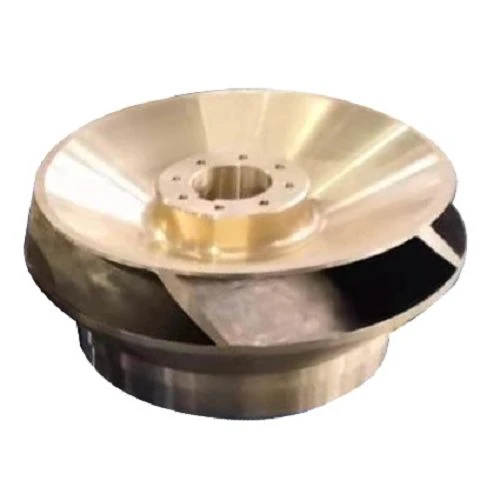
First off, let's talk a bit about bronze pump impellers. Bronze is an alloy mainly composed of copper and tin, with other elements like zinc, lead, or nickel sometimes added to enhance certain properties. It's known for its good corrosion resistance, excellent machinability, and relatively high strength. These features make bronze a popular choice for pump impellers in various applications.
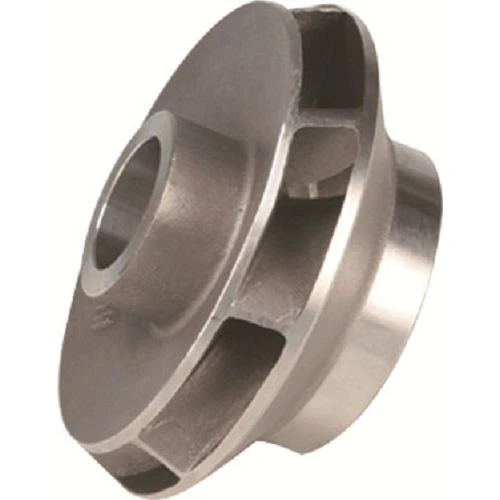
The impeller is a crucial part of a pump. It's the rotating component that transfers energy to the fluid being pumped, creating the flow and pressure needed to move the liquid. A well - designed impeller can significantly improve the efficiency and performance of a pump.
The Challenge of Saltwater
Saltwater is a highly corrosive environment. The presence of dissolved salts, mainly sodium chloride, along with other minerals and trace elements, creates an electrolytic solution. This solution can cause electrochemical reactions on the surface of metals, leading to corrosion. Corrosion can weaken the structure of the impeller, reduce its efficiency, and eventually cause it to fail.
Can Bronze Pump Impellers Withstand Saltwater?
The short answer is: it depends. Some types of bronze can be used in saltwater applications, but it's not a one - size - fits - all situation.
- Aluminum Bronze: This is a type of bronze that contains aluminum as a major alloying element. Aluminum bronze has excellent corrosion resistance in saltwater. The aluminum forms a thin, protective oxide layer on the surface of the metal, which acts as a barrier against further corrosion. It also has good mechanical properties, making it suitable for high - stress applications in saltwater pumps. For example, in marine applications where pumps are used to circulate seawater for cooling systems or ballast control, aluminum bronze impellers can perform well over a long period.
- Phosphor Bronze: Phosphor bronze contains phosphorus as an alloying element. It has good corrosion resistance and is often used in applications where wear resistance is also important. While it can tolerate saltwater to some extent, it may not be as corrosion - resistant as aluminum bronze in long - term, high - exposure saltwater environments. Phosphor bronze impellers might be more suitable for less severe saltwater applications or where the pump is not constantly in contact with saltwater.
Comparing With Other Materials
It's also important to compare bronze pump impellers with other materials commonly used in saltwater applications.
- Stainless Steel Pump Impeller: Stainless steel is another popular choice for saltwater pumps. It has excellent corrosion resistance due to the presence of chromium, which forms a passive oxide layer on the surface. Different grades of stainless steel offer varying levels of corrosion resistance. For example, duplex stainless steel has better resistance to pitting and crevice corrosion in saltwater compared to standard austenitic stainless steels. However, stainless steel can be more expensive than bronze, and in some cases, its mechanical properties may not be as suitable for certain pump designs.
- Cast Iron Pump Impeller: Cast iron is a relatively inexpensive material. However, it has poor corrosion resistance in saltwater. Cast iron impellers will corrode quickly in saltwater, leading to reduced performance and a short lifespan. They are generally not recommended for saltwater applications unless they are properly coated or lined.
Factors to Consider
When deciding whether to use a bronze pump impeller in a saltwater application, several factors need to be considered:
- Exposure Time: If the pump is only intermittently exposed to saltwater, a wider range of bronze types may be suitable. But for continuous, long - term exposure, a more corrosion - resistant bronze like aluminum bronze is a better choice.
- Temperature: Higher temperatures can accelerate the corrosion process in saltwater. If the saltwater is at an elevated temperature, the impeller material needs to be more resistant to corrosion.
- Flow Rate and Pressure: High flow rates and pressures can cause more wear and tear on the impeller. A bronze with good mechanical properties is essential to withstand these conditions.
Maintenance and Protection
Even if you choose a bronze that is suitable for saltwater, proper maintenance is crucial. Regular inspection of the impeller for signs of corrosion, such as pitting or discoloration, is necessary. Cleaning the impeller to remove any deposits or debris can also help prevent localized corrosion.
In some cases, additional protection measures can be taken. For example, coating the impeller with a protective paint or using a sacrificial anode can help extend its lifespan in saltwater.
Making the Right Choice
When it comes to selecting the right impeller for a saltwater application, it's important to consult with an expert. As a Bronze Pump Impeller supplier, I can provide detailed information about the different types of bronze available and their suitability for your specific application. We can also help you compare the costs and performance of bronze impellers with other materials.
If you're in the market for a pump impeller for a saltwater application, don't hesitate to reach out. We can work together to find the best solution for your needs. Whether it's an aluminum bronze impeller for a high - performance marine pump or a phosphor bronze impeller for a less demanding saltwater application, we have the expertise and products to meet your requirements.
Conclusion
In conclusion, a bronze pump impeller can be used in saltwater applications, but careful consideration of the type of bronze, the specific application conditions, and proper maintenance is essential. By choosing the right bronze and taking appropriate protection measures, you can ensure the long - term performance and reliability of your pump in a saltwater environment.
If you're interested in learning more about our Bronze Pump Impeller products or have any questions about using them in saltwater applications, feel free to contact us. We're here to help you make the best decision for your pumping needs.
References
- "Corrosion of Metals in Seawater" by ASTM International
- "Metals Handbook: Properties and Selection: Nonferrous Alloys and Pure Metals" published by ASM International
- Technical literature from bronze manufacturers and pump suppliers