The fluidity of molten metal in pump casting is a critical factor that significantly influences the quality and performance of the final pump products. As a seasoned pump casting supplier, I've witnessed firsthand the impact of various factors on this crucial aspect of the manufacturing process. In this blog post, I'll delve into the key elements that affect the fluidity of molten metal in pump casting, drawing on my years of experience in the industry.
1. Temperature of Molten Metal
The temperature of molten metal is perhaps the most obvious and influential factor affecting its fluidity. Higher temperatures generally lead to lower viscosity, which in turn enhances the fluidity of the molten metal. When the temperature is increased, the kinetic energy of the metal atoms rises, allowing them to move more freely and reducing the internal friction within the molten mass.
For instance, in Cast Iron Casting, maintaining an optimal pouring temperature is essential. If the temperature is too low, the molten iron may start to solidify prematurely as it flows through the mold, resulting in incomplete filling, cold shuts, or other casting defects. On the other hand, excessive temperatures can cause problems such as excessive shrinkage, increased oxidation, and damage to the mold materials.
In practical production, we use advanced temperature measurement and control systems to ensure that the molten metal is at the right temperature for casting. This involves pre - heating the furnace, closely monitoring the temperature during melting, and using appropriate insulation techniques during the transfer and pouring processes.
2. Chemical Composition of the Metal
The chemical composition of the molten metal plays a vital role in determining its fluidity. Different alloying elements can have diverse effects on the viscosity and surface tension of the molten metal.
In Ductile Iron Casting, the addition of magnesium to cast iron is a well - known practice. Magnesium promotes the formation of graphite nodules, which not only improves the mechanical properties of the cast iron but also has an impact on fluidity. However, the amount of magnesium needs to be carefully controlled. Too much magnesium can increase the viscosity of the molten metal, reducing its fluidity.
Other alloying elements such as silicon, manganese, and phosphorus also affect fluidity. Silicon, for example, can reduce the melting point of iron and improve fluidity to some extent. But an excessive amount of silicon may lead to the formation of brittle phases in the castings. Therefore, we conduct precise chemical analysis and adjust the composition of the molten metal to achieve the best fluidity while meeting the required mechanical and physical properties of the pump castings.
3. Mold Design and Material
The design and material of the mold have a significant impact on the fluidity of molten metal. A well - designed mold should provide a smooth and unobstructed path for the molten metal to flow into all the cavities.
The shape and size of the gating system are crucial. A proper gating system should ensure that the molten metal enters the mold cavity at a suitable speed and pressure. If the gating channels are too narrow, the molten metal may experience high resistance and slow down, leading to incomplete filling. Conversely, if the channels are too wide, the metal flow may be turbulent, causing air entrapment and other defects.
The mold material also affects fluidity. Materials with high heat conductivity can rapidly absorb heat from the molten metal, causing it to solidify more quickly. For example, in some cases, using a water - cooled copper mold can cause the molten metal to solidify prematurely, reducing its ability to fill complex mold cavities. We carefully select mold materials based on the type of metal being cast and the specific requirements of the pump casting. For Bronze Pump Parts Casting, we often use sand molds, which have a relatively low heat - transfer rate, allowing the bronze to maintain its fluidity for a longer time during the casting process.
4. Cooling Rate
The cooling rate of the molten metal during the casting process is another important factor influencing fluidity. A fast cooling rate can cause the molten metal to solidify rapidly, reducing its fluidity and increasing the likelihood of casting defects.
In large - scale pump castings, it is often necessary to control the cooling rate to ensure proper filling of the mold. This can be achieved through various means, such as using insulating materials around the mold, adjusting the pouring temperature, or using sequential cooling techniques. By controlling the cooling rate, we can ensure that the molten metal remains in a fluid state long enough to fill all the intricate details of the pump casting.
5. Surface Tension
Surface tension is a physical property that affects the behavior of molten metal during casting. High surface tension can cause the molten metal to form droplets or beads, rather than flowing smoothly into the mold cavity. This can lead to incomplete filling and poor surface quality of the castings.
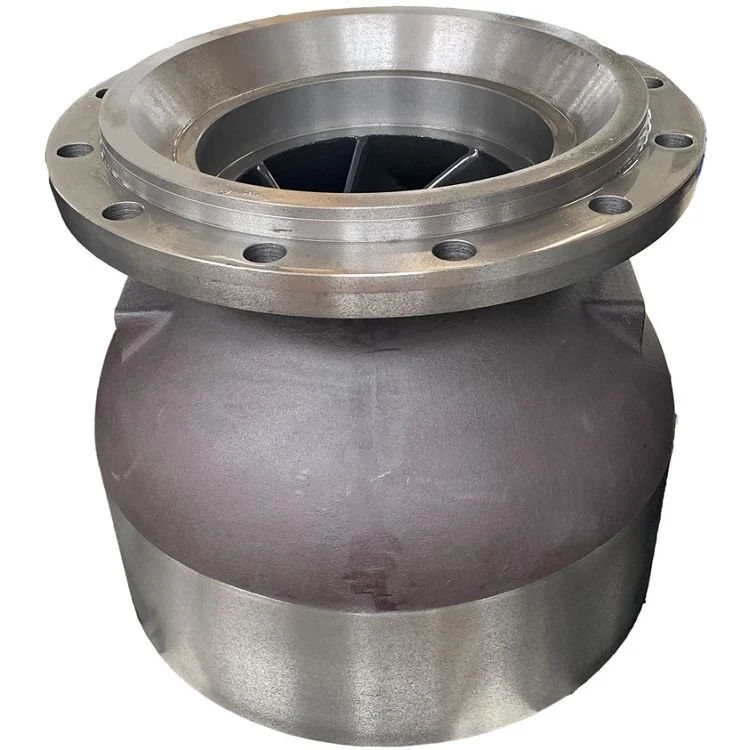

The surface tension of molten metal is influenced by factors such as temperature and chemical composition. As mentioned earlier, increasing the temperature can reduce surface tension, promoting better fluidity. Additionally, certain alloying elements can also modify the surface tension of the molten metal. By carefully controlling these factors, we can minimize the negative effects of surface tension on the casting process.
Importance of Optimal Fluidity in Pump Casting
Ensuring optimal fluidity of molten metal in pump casting is of utmost importance for several reasons. Firstly, it directly affects the dimensional accuracy and integrity of the castings. Good fluidity allows the molten metal to completely fill the mold cavity, ensuring that the pump components have the correct shape and size.
Secondly, it impacts the mechanical properties of the pump castings. Incomplete filling or the presence of casting defects due to poor fluidity can weaken the structure of the pump parts, leading to reduced strength, fatigue resistance, and corrosion resistance.
Finally, optimal fluidity can improve the production efficiency and reduce costs. By minimizing casting defects, we can reduce the need for rework and scrap, saving both time and resources in the manufacturing process.
Contact for Purchase and Collaboration
If you are in the market for high - quality pump castings, we are here to serve you. Our expertise in controlling the factors affecting the fluidity of molten metal ensures that we can produce pump castings of the highest quality. Whether you need Ductile Iron Casting, Cast Iron Casting, or Bronze Pump Parts Casting, we have the capabilities to meet your requirements. Contact us today to discuss your pump casting needs and explore how we can collaborate to achieve your goals.
References
- Campbell, J. (2003). Castings. Butterworth - Heinemann.
- Flemings, M. C. (1974). Solidification Processing. McGraw - Hill.
- Kalpakjian, S., & Schmid, S. R. (2014). Manufacturing Engineering and Technology. Pearson.