As a seasoned provider of pump discharge solutions, I've witnessed firsthand the profound impact that system resistance can have on pump performance. In this blog post, I'll delve into the intricate relationship between system resistance and pump discharge, exploring how changes in resistance can affect the flow rate, pressure, and efficiency of a pumping system. By understanding these dynamics, you'll be better equipped to optimize your pumping operations and make informed decisions when selecting and operating pumps.
Understanding System Resistance
System resistance refers to the cumulative forces that oppose the flow of fluid through a pumping system. These forces arise from various components within the system, including pipes, valves, fittings, and filters. The magnitude of system resistance is influenced by factors such as pipe diameter, length, roughness, and the presence of any restrictive elements.
When a pump operates, it must overcome the system resistance to deliver fluid from the source to the destination. The pump generates a certain amount of pressure, known as the discharge pressure, to overcome this resistance and maintain a desired flow rate. The relationship between the pump's discharge pressure and the system resistance determines the actual flow rate of the fluid.
Impact on Flow Rate
One of the most significant effects of system resistance on pump discharge is its impact on the flow rate. As system resistance increases, the pump must work harder to overcome the opposing forces, resulting in a decrease in the flow rate. This relationship can be visualized using a pump performance curve, which illustrates the relationship between the pump's flow rate and the head (pressure) it can generate.
When the system resistance is low, the pump can operate at a higher flow rate because it encounters less opposition to the fluid flow. Conversely, when the system resistance is high, the pump's ability to deliver fluid is restricted, and the flow rate decreases. This phenomenon is particularly evident in systems with long pipes, small diameters, or multiple fittings, where the cumulative resistance can significantly impede the flow of fluid.
It's important to note that the relationship between system resistance and flow rate is not linear. As system resistance increases, the decrease in flow rate becomes more pronounced. This means that even a small increase in resistance can have a significant impact on the pump's performance, especially at higher flow rates.
Impact on Pressure
In addition to affecting the flow rate, system resistance also has a direct impact on the pump's discharge pressure. As the pump works to overcome the system resistance, it must generate a sufficient amount of pressure to maintain the desired flow rate. When the system resistance increases, the pump must increase its discharge pressure to compensate for the additional resistance.
This increase in pressure can have several implications for the pumping system. First, it can put additional stress on the pump and other components, potentially leading to premature wear and failure. Second, it can increase the energy consumption of the pump, as it requires more power to generate the higher pressure. Finally, it can affect the overall efficiency of the pumping system, as the pump may operate at a less optimal point on its performance curve.
Impact on Efficiency
The efficiency of a pumping system is a measure of how effectively it converts the input power into useful work, such as moving fluid. System resistance plays a crucial role in determining the efficiency of a pumping system. As system resistance increases, the pump must work harder to overcome the opposition, resulting in a decrease in efficiency.
This decrease in efficiency can have a significant impact on the operating costs of the pumping system. Higher energy consumption not only increases the electricity bill but also contributes to environmental pollution. Therefore, it's essential to minimize system resistance as much as possible to improve the efficiency of the pumping system.
There are several ways to reduce system resistance and improve the efficiency of a pumping system. One approach is to use larger diameter pipes, which offer less resistance to fluid flow. Another approach is to minimize the number of fittings and valves in the system, as these components can create additional resistance. Additionally, regular maintenance and inspection of the system can help identify and address any issues that may be contributing to increased resistance.
Selecting the Right Pump
When selecting a pump for a specific application, it's crucial to consider the system resistance. The pump must be capable of generating sufficient pressure to overcome the resistance and deliver the desired flow rate. This requires a thorough understanding of the system requirements, including the flow rate, pressure, and the characteristics of the fluid being pumped.
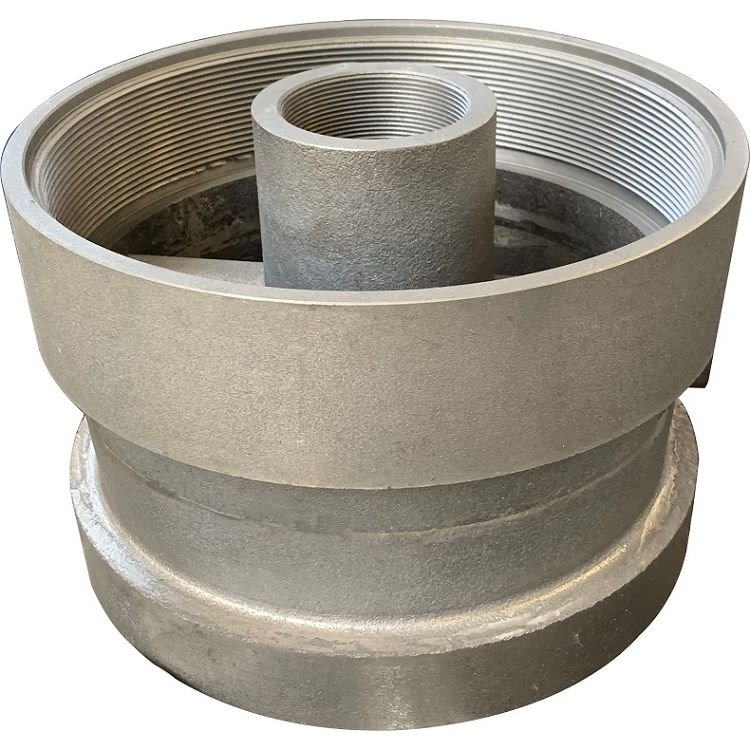
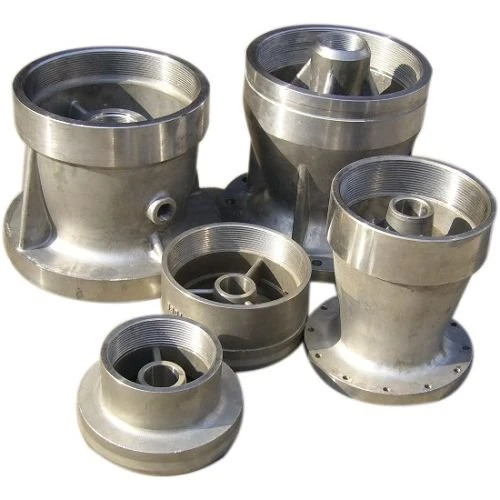
At our company, we offer a wide range of Cast Iron Pump Discharge and Stainless Steel Pump Discharge options to meet the diverse needs of our customers. Our pumps are designed and engineered to provide optimal performance and efficiency, even in challenging operating conditions.
When working with us, our experienced team of engineers will work closely with you to understand your specific requirements and recommend the most suitable pump for your application. We'll consider factors such as the system resistance, flow rate, pressure, and the type of fluid being pumped to ensure that you get the best possible solution for your needs.
Conclusion
In conclusion, system resistance has a profound impact on pump discharge, affecting the flow rate, pressure, and efficiency of a pumping system. By understanding the relationship between system resistance and pump performance, you can optimize your pumping operations and make informed decisions when selecting and operating pumps.
At our company, we're committed to providing high-quality pump discharge solutions that are designed to meet the specific needs of our customers. Whether you're looking for a Cast Iron Pump Discharge or a Stainless Steel Pump Discharge, we have the expertise and experience to help you find the right solution for your application.
If you're interested in learning more about our pump discharge products or have any questions about system resistance and pump performance, please don't hesitate to contact us. Our team of experts is ready to assist you with your pumping needs and help you achieve optimal performance and efficiency in your operations.
References
- Karassik, I. J., Messina, J. P., Cooper, P. T., & Heald, C. C. (2008). Pump Handbook. McGraw-Hill.
- Stepanoff, A. J. (1957). Centrifugal and Axial Flow Pumps: Theory, Design, and Application. Wiley.
- Walas, S. M. (1990). Chemical Process Equipment: Selection and Design. Butterworth-Heinemann.