As a supplier of Ductile Iron Casting, I've witnessed firsthand the complexity and importance of the solidification process. Ductile iron casting is widely used in various industries due to its excellent mechanical properties, such as high strength, good ductility, and wear resistance. However, the solidification of ductile iron casting is a critical stage that can significantly affect the final quality of the castings. In this blog, I'll explore the factors that influence the solidification of ductile iron casting and how they impact the overall performance of the products.
Chemical Composition
The chemical composition of ductile iron is one of the most fundamental factors affecting its solidification. The main elements in ductile iron include carbon (C), silicon (Si), manganese (Mn), sulfur (S), phosphorus (P), and magnesium (Mg). Each element plays a crucial role in the solidification process and the final properties of the casting.
-
Carbon and Silicon: Carbon and silicon are the two most important elements in ductile iron. They have a significant influence on the graphite formation during solidification. A higher carbon content promotes the formation of graphite, which is beneficial for improving the ductility of the casting. Silicon, on the other hand, acts as a graphitizing agent and helps to increase the graphite nodule count. However, excessive amounts of carbon and silicon can lead to the formation of coarse graphite, which may reduce the strength of the casting.
-
Magnesium: Magnesium is added to ductile iron to transform the graphite from flake-like to nodular form. This nodular graphite structure gives ductile iron its unique combination of strength and ductility. The amount of magnesium added needs to be carefully controlled. Too little magnesium may result in incomplete nodularization, while too much magnesium can cause the formation of magnesium oxide inclusions, which can degrade the quality of the casting.
-
Sulfur and Phosphorus: Sulfur and phosphorus are considered impurities in ductile iron. Sulfur has a strong affinity for magnesium and can react with it to form magnesium sulfide. This reaction reduces the effective amount of magnesium available for nodularization. Phosphorus, on the other hand, can form hard and brittle phosphide eutectics, which can reduce the ductility and impact resistance of the casting. Therefore, the sulfur and phosphorus contents in ductile iron should be kept as low as possible.
Pouring Temperature
The pouring temperature of ductile iron is another critical factor that affects solidification. The pouring temperature determines the initial energy state of the molten metal and influences the rate of heat transfer during solidification.
-
High Pouring Temperature: A high pouring temperature can increase the fluidity of the molten metal, which is beneficial for filling complex-shaped molds. However, it also prolongs the solidification time, which can lead to the formation of coarse graphite and shrinkage defects. Additionally, high pouring temperatures can increase the risk of oxidation and gas porosity in the casting.
-
Low Pouring Temperature: A low pouring temperature reduces the solidification time and can help to refine the graphite structure. However, if the pouring temperature is too low, the molten metal may not have sufficient fluidity to fill the mold completely, resulting in incomplete castings or cold shuts.
Cooling Rate
The cooling rate during solidification has a profound impact on the microstructure and properties of ductile iron castings. Different cooling rates can lead to the formation of different graphite morphologies and matrix structures.
-
Fast Cooling Rate: A fast cooling rate promotes the formation of fine graphite nodules and a pearlitic matrix. This can result in higher strength and hardness of the casting. However, fast cooling rates can also generate high internal stresses, which may lead to cracking in the casting.
-
Slow Cooling Rate: A slow cooling rate allows for the growth of larger graphite nodules and the formation of a ferritic matrix. This can improve the ductility of the casting but may reduce its strength.
Mold Material and Design
The mold material and design also play an important role in the solidification of ductile iron castings. The mold material affects the heat transfer rate, while the mold design influences the flow of molten metal and the solidification pattern.
-
Mold Material: Different mold materials have different thermal conductivities. For example, metal molds (such as steel or cast iron) have higher thermal conductivities than sand molds. Using a metal mold can increase the cooling rate and promote the formation of a fine-grained microstructure. However, metal molds are more expensive and may require more complex manufacturing processes.
-
Mold Design: The mold design should ensure a smooth and uniform flow of molten metal into the mold cavity. Proper gating and risering systems are essential for feeding the casting during solidification and preventing shrinkage defects. Additionally, the mold design should allow for easy removal of the casting after solidification.
Influence on Product Applications
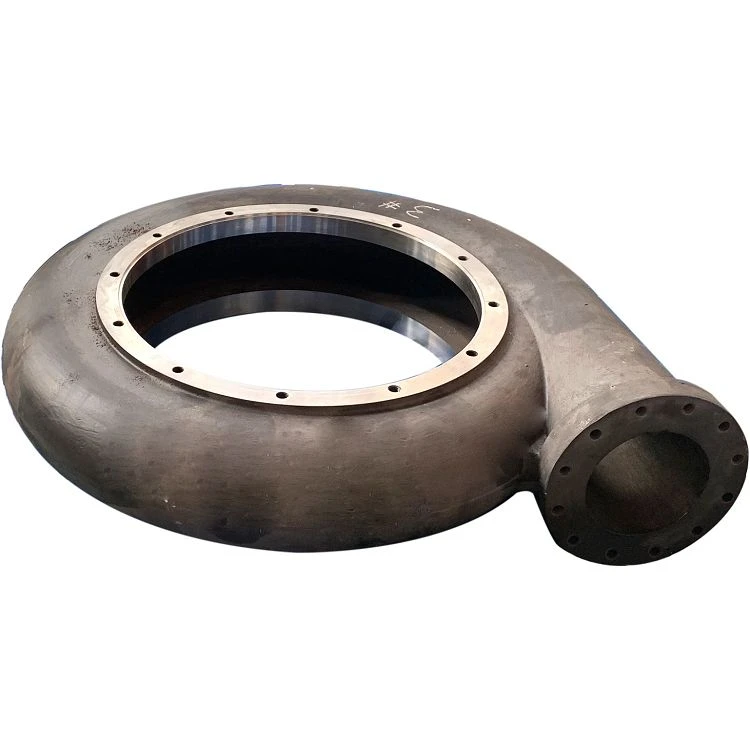
The factors affecting the solidification of ductile iron casting have a direct impact on the performance of the final products. For example, in the production of Wear Resistant Pump Parts, a high-strength and wear-resistant material is required. By carefully controlling the solidification process, we can ensure the formation of a fine-grained microstructure with a high graphite nodule count, which can improve the wear resistance of the pump parts.
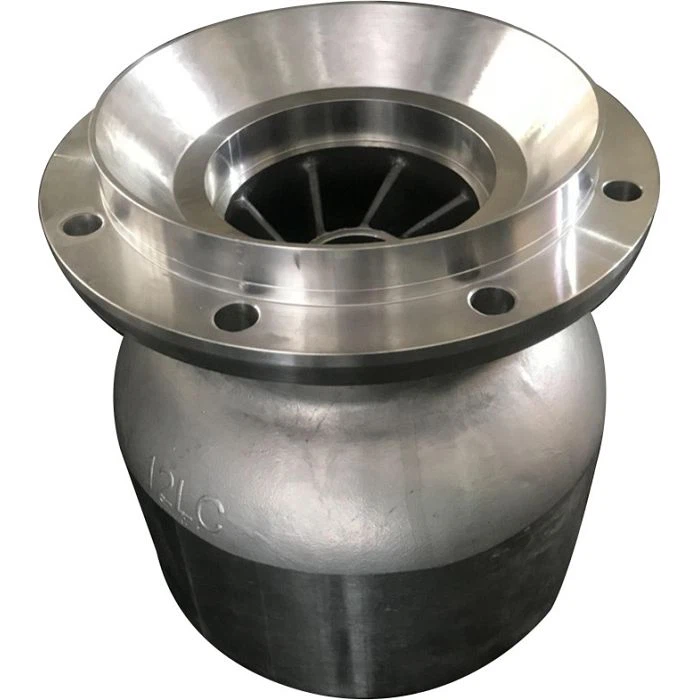
Similarly, for Stainless Steel Pump Casting, the solidification process needs to be optimized to achieve the desired combination of strength, corrosion resistance, and ductility. And in the case of Cast Iron Casting, the solidification factors play a crucial role in determining the mechanical properties and quality of the castings.
Conclusion
In conclusion, the solidification of ductile iron casting is a complex process that is influenced by multiple factors, including chemical composition, pouring temperature, cooling rate, mold material, and mold design. As a supplier of ductile iron casting, we understand the importance of controlling these factors to ensure the production of high-quality castings that meet the specific requirements of our customers.
If you are interested in our ductile iron casting products or have any questions about the solidification process, please feel free to contact us for procurement and further discussions. We are committed to providing you with the best solutions and high-quality products.
References
- Campbell, J. (2003). Castings. Butterworth-Heinemann.
- Flemings, M. C. (1974). Solidification Processing. McGraw-Hill.
- Stefanescu, D. M. (2002). Science and Engineering of Casting Solidification. Kluwer Academic Publishers.