As a supplier of Pump Shafts, I've seen firsthand the numerous challenges that come with manufacturing these crucial components. In this blog, I'll delve into the key hurdles we face in the production process and how we work to overcome them.
Material Selection
One of the first and most significant challenges in manufacturing a pump shaft is choosing the right material. The material must be able to withstand the specific operating conditions of the pump. For instance, in applications where the pump handles corrosive fluids, such as in Sea Water Pump Parts, we need a material that is highly resistant to corrosion. Stainless steel is a popular choice in such cases due to its excellent corrosion - resistant properties.
However, stainless steel can be expensive, and it also has different grades with varying levels of corrosion resistance and mechanical properties. Selecting the wrong grade can lead to premature failure of the pump shaft. For example, if a lower - grade stainless steel is used in a high - salt sea - water environment, it may start to corrode within a short period, reducing the lifespan of the pump.
Another factor to consider is the strength requirements of the shaft. Pumps often operate under high loads, and the shaft needs to be strong enough to transmit torque without deforming. Materials like alloy steels are known for their high strength, but they may also be more difficult to machine compared to other materials. Balancing the cost, strength, and corrosion resistance of the material is a constant challenge in pump shaft manufacturing.
Machining Precision
Once the material is selected, the next big challenge is achieving the required machining precision. Pump shafts have very tight tolerances, especially in the areas where they interact with other pump components, such as bearings and impellers. Even a small deviation from the specified dimensions can lead to significant problems.
For example, if the diameter of the shaft where the bearing is mounted is too large, the bearing may not fit properly, causing excessive friction and wear. On the other hand, if it's too small, the bearing may not be held securely, leading to misalignment and vibration. These issues can not only reduce the efficiency of the pump but also cause premature failure of the entire system.
Machining a pump shaft involves multiple processes, including turning, milling, and grinding. Each of these processes requires specialized equipment and skilled operators. Any error during the machining process, such as a tool breakage or incorrect cutting parameters, can result in a defective shaft. To ensure precision, we use advanced CNC (Computer Numerical Control) machines that can accurately control the machining operations. However, even with these machines, regular quality checks are necessary to catch any potential issues early on.
Heat Treatment
Heat treatment is an essential step in pump shaft manufacturing as it helps to improve the mechanical properties of the material. For example, quenching and tempering can increase the hardness and strength of the shaft, making it more resistant to wear and deformation. However, heat treatment also presents several challenges.
One of the main problems is controlling the heat treatment process precisely. If the temperature is too high or the holding time is too long during quenching, the shaft may become brittle and prone to cracking. Conversely, if the temperature is too low or the holding time is insufficient, the desired mechanical properties may not be achieved.
Another challenge is the distortion that can occur during heat treatment. The rapid heating and cooling cycles can cause the shaft to warp or change shape. This distortion can be difficult to correct and may require additional machining operations, which add to the production time and cost. To minimize distortion, we carefully design the heat treatment process, taking into account the material properties and the geometry of the shaft.
Surface Finish
The surface finish of a pump shaft is crucial for its performance. A smooth surface reduces friction between the shaft and other components, such as seals and bearings, which in turn improves the efficiency of the pump and extends its lifespan. However, achieving the desired surface finish is not always easy.
During the machining process, the surface of the shaft may have small irregularities, such as tool marks. These irregularities need to be removed through processes like grinding and polishing. But different materials respond differently to these finishing processes. For example, some materials may be more prone to surface cracking during polishing, especially if the pressure or the polishing compound is not appropriate.
In addition, the surface finish also needs to be uniform along the entire length of the shaft. Any variation in the surface roughness can lead to uneven wear and performance issues. We use advanced surface finishing techniques and quality control measures to ensure that the pump shafts we produce have a consistent and smooth surface finish.
Quality Control
Quality control is a continuous challenge throughout the pump shaft manufacturing process. We need to ensure that every shaft meets the strict quality standards set by our customers. This involves inspecting the raw materials, monitoring the machining processes, and conducting final tests on the finished shafts.
Inspecting the raw materials is important to detect any defects, such as internal cracks or inclusions, that could affect the performance of the shaft. We use non - destructive testing methods, such as ultrasonic testing and magnetic particle inspection, to identify these defects.
During the machining process, we perform in - process inspections to check the dimensions and surface finish of the shaft at various stages. This helps us to catch any issues early and make adjustments to the machining operations if necessary.
Finally, on the finished shafts, we conduct comprehensive tests, including mechanical property tests, such as hardness and tensile strength tests, and performance tests, such as running the shaft in a test pump to check for vibration and efficiency. However, quality control is time - consuming and costly, and it requires a well - trained and experienced quality control team.
Supply Chain Management
Supply chain management is another challenge in pump shaft manufacturing. We rely on a network of suppliers to provide us with raw materials, tools, and other components. Any disruption in the supply chain can delay our production and affect our ability to meet customer orders.
For example, if there is a shortage of a particular type of steel due to a strike at a steel mill or a problem with the transportation of the material, we may have to halt production until the supply is restored. In addition, the quality of the materials and components supplied by our partners can also vary. We need to carefully select our suppliers and have strict quality control procedures in place to ensure that the materials we receive meet our standards.
Environmental and Regulatory Compliance
In today's manufacturing environment, we also face challenges related to environmental and regulatory compliance. The manufacturing processes involved in pump shaft production, such as machining and heat treatment, can generate waste and emissions. We need to ensure that our operations are environmentally friendly and comply with all relevant regulations.
For example, the disposal of cutting fluids and other machining waste needs to be done in an environmentally responsible manner. We also need to control the emissions of pollutants, such as dust and fumes, during the heat treatment process. Complying with these regulations requires additional investment in equipment and processes, which can increase the cost of production.
Conclusion
Manufacturing a pump shaft is a complex process that involves many challenges. From material selection and machining precision to heat treatment, surface finish, quality control, supply chain management, and environmental compliance, every step requires careful attention and expertise.
As a Pump Shaft supplier, we are constantly working to overcome these challenges. We invest in advanced technology and equipment, train our staff, and establish strong partnerships with our suppliers to ensure that we can produce high - quality pump shafts that meet the needs of our customers.
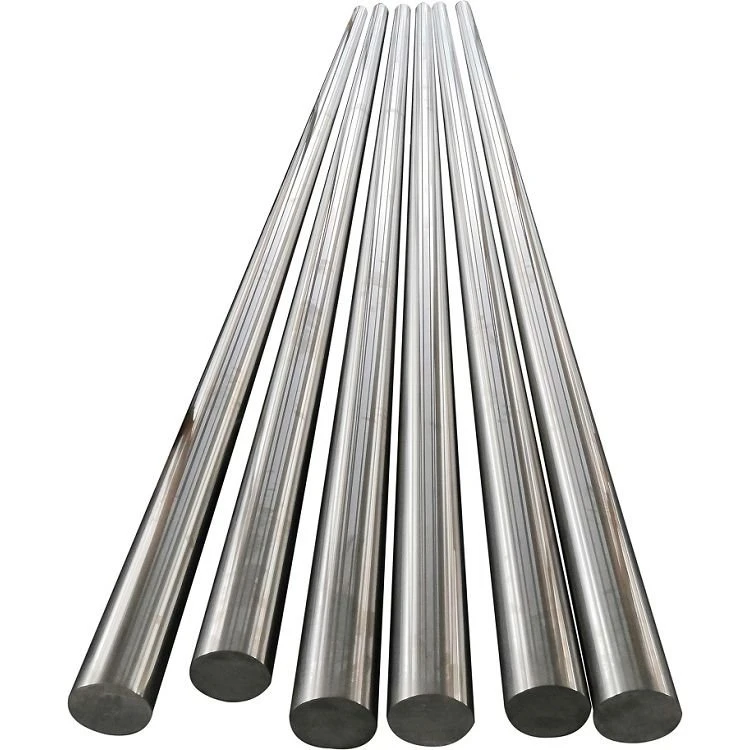
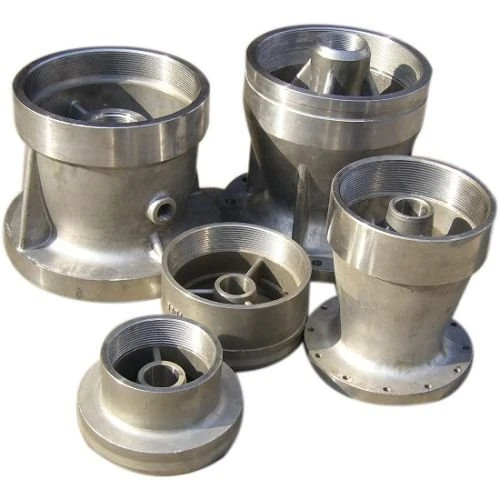
If you're in the market for pump shafts or have any questions about our products, we'd love to hear from you. Feel free to reach out to us to start a discussion about your specific requirements. We're committed to providing you with the best solutions for your pump applications.
References
- "Pump Handbook" by Igor J. Karassik et al.
- Various industry - specific technical papers on pump shaft manufacturing and materials science.