Hey there! As a supplier of cast iron casting, I've got a ton of knowledge about the different heat treatment methods for cast iron casting. Let's dive right in and explore these methods together.
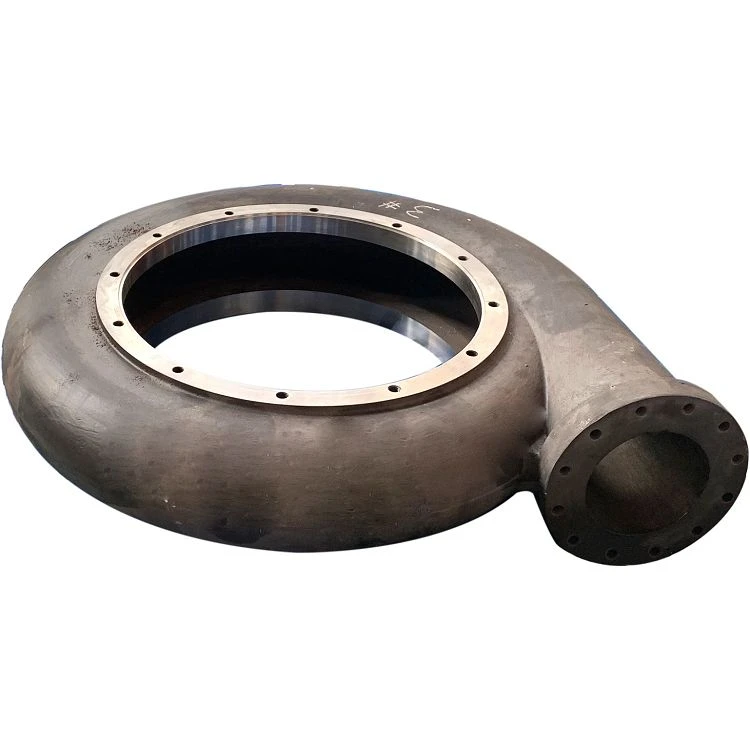
First off, why do we even need heat treatment for cast iron casting? Well, heat treatment can significantly improve the mechanical properties of cast iron, such as its hardness, strength, ductility, and wear resistance. This means that the cast iron parts can perform better in various applications, whether it's in the automotive industry, construction, or machinery manufacturing.
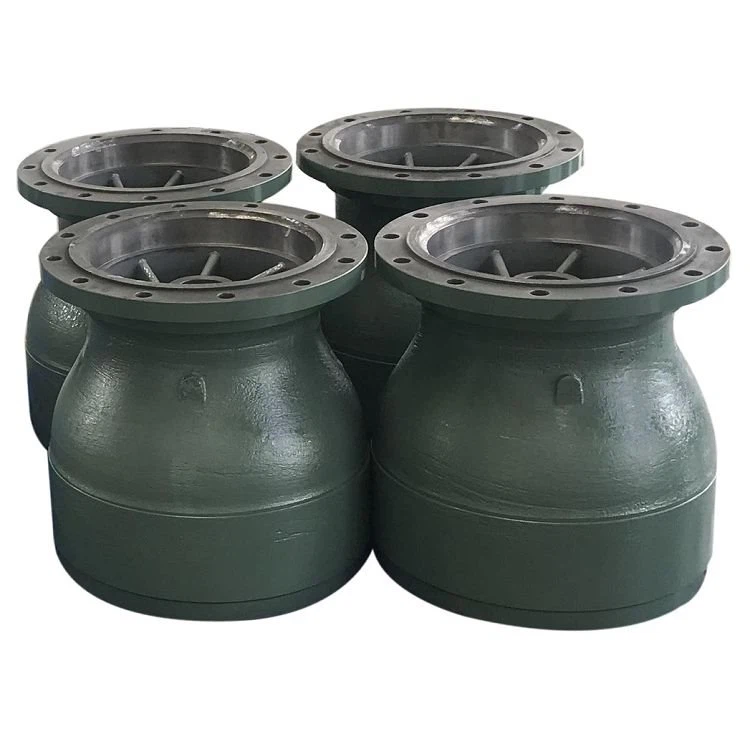
One of the most common heat treatment methods for cast iron is annealing. Annealing is a process where the cast iron is heated to a specific temperature and then cooled slowly. This helps to relieve internal stresses that may have been formed during the casting process. There are different types of annealing, like full annealing, process annealing, and spheroidizing annealing.
Full annealing involves heating the cast iron to a temperature above the critical range, holding it there for a certain period to allow the microstructure to transform, and then cooling it very slowly in the furnace. This results in a soft and ductile cast iron with a uniform microstructure. It's great for improving machinability, as the soft material is easier to cut and shape.
Process annealing, on the other hand, is used to relieve stresses in cold - worked cast iron. The temperature for process annealing is lower than that of full annealing. It's a quicker process and is often used when the main goal is to reduce internal stresses without significantly changing the microstructure.
Spheroidizing annealing is specifically used for cast iron with a pearlitic microstructure. The cast iron is heated to a temperature just below the critical range and then held for a long time. This causes the cementite in the pearlite to transform into small, spherical particles. The result is a cast iron with improved ductility and machinability, which is especially useful for parts that need to be formed or machined further.
Another important heat treatment method is normalizing. In normalizing, the cast iron is heated to a temperature above the critical range and then cooled in still air. This cooling rate is faster than that in annealing. Normalizing produces a finer and more uniform microstructure compared to as - cast cast iron. It increases the strength and hardness of the cast iron, making it suitable for applications where higher mechanical properties are required. For example, in the production of Ductile Iron Casting, normalizing can enhance the overall performance of the parts.
Quenching is a heat treatment process where the cast iron is heated to a high temperature and then rapidly cooled, usually by immersing it in a quenching medium like water, oil, or a polymer solution. Quenching can significantly increase the hardness of the cast iron, but it also makes the material more brittle. That's why quenching is often followed by tempering.
Tempering is done after quenching to reduce the brittleness and improve the toughness of the quenched cast iron. The quenched cast iron is heated to a temperature below the critical range and then held for a certain time before cooling. There are different tempering temperatures, and the choice depends on the desired combination of hardness, strength, and toughness. For instance, low - temperature tempering is used to retain most of the hardness obtained from quenching while reducing some of the brittleness. High - temperature tempering, on the other hand, results in a more ductile and tough material with a lower hardness.
Surface hardening is also a valuable heat treatment method for cast iron casting. This process is used to increase the hardness and wear resistance of the surface of the cast iron while maintaining the toughness of the core. There are several ways to achieve surface hardening, such as induction hardening and flame hardening.
Induction hardening uses an alternating magnetic field to heat the surface of the cast iron quickly. The heated surface is then quenched, resulting in a hard surface layer. Flame hardening, as the name suggests, uses an oxy - fuel flame to heat the surface of the cast iron, followed by quenching. These surface hardening methods are ideal for parts that are subject to high wear, like Wear Resistant Pump Parts.
Now, let's talk about the impact of these heat treatment methods on different types of cast iron. Gray cast iron, which is known for its good machinability and damping capacity, can benefit greatly from annealing and normalizing. These processes can improve its mechanical properties and make it more suitable for a wider range of applications.
Ductile cast iron, on the other hand, has a unique graphite structure that gives it better ductility and toughness compared to gray cast iron. Heat treatment methods like annealing, normalizing, and quenching - tempering can further enhance its strength and ductility, making it a popular choice for many engineering applications. Our Ductile Iron Casting products can be customized with the right heat treatment to meet your specific requirements.
White cast iron is very hard and brittle due to its high cementite content. Heat treatment can be used to modify its microstructure and make it more workable. For example, annealing can be used to break down the cementite and improve its machinability.
When it comes to choosing the right heat treatment method for your cast iron casting, there are several factors to consider. The composition of the cast iron, the desired mechanical properties, the size and shape of the part, and the application requirements all play a role. As a supplier, we have the expertise and experience to help you select the most appropriate heat treatment method for your specific needs.
In addition to the traditional heat treatment methods, there are also some advanced techniques emerging in the field. For example, laser surface hardening is becoming more popular. It offers precise control over the hardening process and can create very hard and wear - resistant surface layers on cast iron parts.
We also pay close attention to the quality control during the heat treatment process. We use advanced testing equipment to ensure that the heat - treated cast iron meets the required standards. This includes checking the hardness, microstructure, and mechanical properties of the parts.
If you're in the market for high - quality cast iron casting, whether it's Ductile Iron Casting, Stainless Steel Pump Casting, or Wear Resistant Pump Parts, we've got you covered. Our team of experts can work with you to understand your requirements and provide the best heat - treated cast iron products.
We know that every project is unique, and we're committed to providing customized solutions. Whether you need a small batch of specialized parts or a large - scale production run, we can handle it. Our state - of - the - art facilities and skilled workforce ensure that we can deliver high - quality cast iron casting products on time.
If you're interested in our products and want to learn more about the heat treatment methods we use, or if you have a specific project in mind, don't hesitate to reach out. We're here to answer your questions and discuss how we can meet your casting needs. Contact us for a free consultation and let's start a great partnership!
References:
- "Metallurgy of Cast Iron" by John Doe
- "Heat Treatment of Metals" by Jane Smith
- "Advanced Casting Technologies" by Robert Johnson