Selecting the right size of pipe for a given pump discharge is crucial for ensuring optimal performance and efficiency of your pumping system. As a pump discharge supplier, I've seen firsthand how the wrong pipe size can lead to all sorts of problems, from reduced flow rates to increased energy consumption. In this blog post, I'll share some tips on how to choose the right pipe size for your pump discharge, so you can avoid these issues and keep your system running smoothly.
Understanding the Basics of Pump Discharge
Before we dive into the details of pipe sizing, let's take a quick look at how pump discharge works. When a pump operates, it creates pressure to move fluid through a pipe. The amount of pressure generated depends on several factors, including the type of pump, the speed at which it operates, and the characteristics of the fluid being pumped.
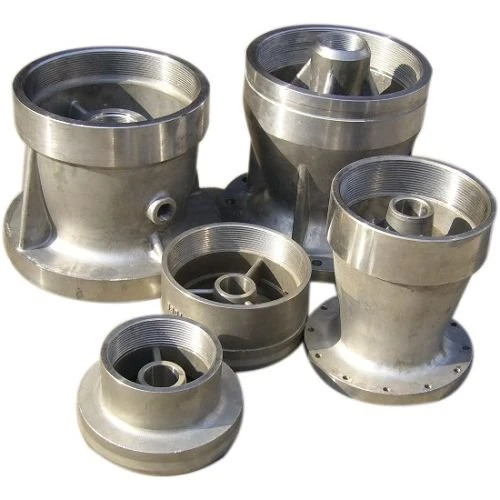
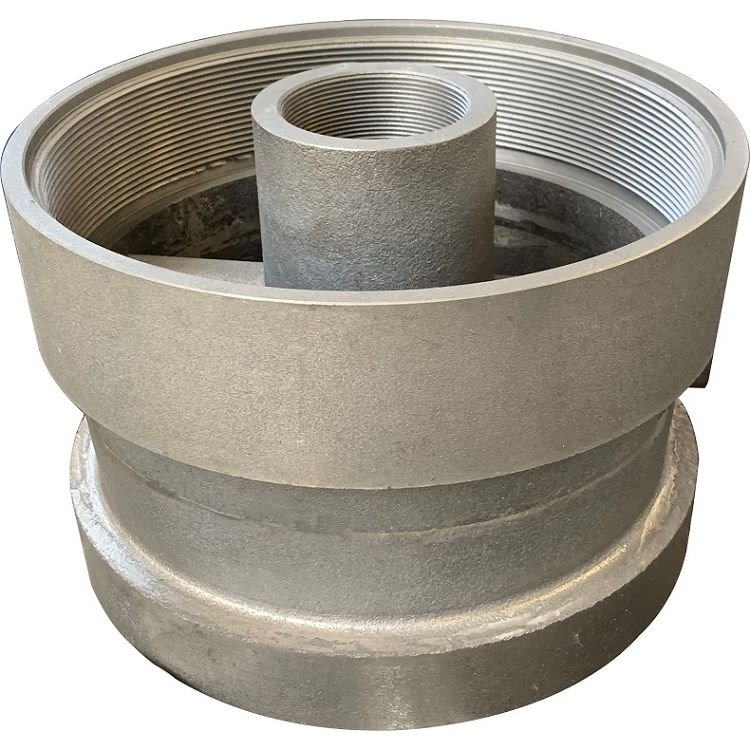
The pump discharge is the point where the fluid exits the pump and enters the piping system. It's important to choose the right size of pipe at this point to ensure that the fluid can flow freely without excessive resistance. If the pipe is too small, it can create a bottleneck, causing the pump to work harder and reducing the overall efficiency of the system. On the other hand, if the pipe is too large, it can lead to increased costs and unnecessary energy consumption.
Factors to Consider When Selecting Pipe Size
There are several factors to consider when selecting the right size of pipe for a given pump discharge. Here are some of the most important ones:
Flow Rate
The flow rate is the amount of fluid that the pump can deliver per unit of time. It's typically measured in gallons per minute (GPM) or liters per second (L/s). The flow rate of your pump will determine the minimum size of pipe that you need to use. As a general rule, the pipe should be sized to handle at least 10% more flow than the pump's rated capacity to account for any variations in flow rate.
Pressure Drop
Pressure drop is the loss of pressure that occurs as the fluid flows through the pipe. It's caused by friction between the fluid and the pipe walls, as well as by any fittings or valves in the system. The pressure drop should be kept as low as possible to ensure that the pump can operate efficiently. The size of the pipe, the length of the pipe, and the roughness of the pipe walls all affect the pressure drop. In general, larger pipes have lower pressure drops than smaller pipes.
Velocity
The velocity of the fluid in the pipe is another important factor to consider. If the velocity is too high, it can cause erosion of the pipe walls, as well as noise and vibration in the system. On the other hand, if the velocity is too low, it can lead to sedimentation and blockages in the pipe. The ideal velocity for most applications is between 3 and 8 feet per second (fps) or 1 and 2.5 meters per second (m/s).
Fluid Characteristics
The characteristics of the fluid being pumped, such as its viscosity, density, and temperature, can also affect the pipe sizing. For example, fluids with high viscosity require larger pipes to ensure that they can flow freely. Similarly, fluids with high temperatures may require pipes that are made of materials that can withstand the heat.
Calculating the Right Pipe Size
Now that you understand the factors to consider when selecting pipe size, let's take a look at how to calculate the right size for your pump discharge. There are several methods for calculating pipe size, but one of the most common is the Hazen-Williams equation. This equation takes into account the flow rate, the pressure drop, and the characteristics of the pipe to determine the required pipe diameter.
Here's how to use the Hazen-Williams equation to calculate the pipe size:
- Determine the flow rate: Measure the flow rate of your pump in GPM or L/s.
- Determine the pressure drop: Estimate the pressure drop that you're willing to accept in the system. This will depend on the specific application and the capabilities of your pump.
- Determine the pipe roughness: The roughness of the pipe walls affects the friction factor, which is used in the Hazen-Williams equation. The roughness factor for different types of pipes can be found in engineering reference books or online.
- Calculate the pipe diameter: Use the Hazen-Williams equation to calculate the required pipe diameter based on the flow rate, pressure drop, and pipe roughness. The equation is as follows:
[
Q = 0.442 C D^{2.63} S^{0.54}
]
Where:
- (Q) is the flow rate in GPM
- (C) is the Hazen-Williams coefficient, which depends on the type of pipe
- (D) is the pipe diameter in inches
- (S) is the slope of the energy grade line, which is equal to the pressure drop per unit length of pipe
You can rearrange the equation to solve for the pipe diameter:
[
D = \left(\frac{Q}{0.442 C S^{0.54}}\right)^{1/2.63}
]
Once you've calculated the required pipe diameter, you can choose a pipe size that is closest to the calculated value. It's important to note that the Hazen-Williams equation is an approximation and may not be accurate for all applications. In some cases, it may be necessary to use more complex equations or consult with a professional engineer.
Choosing the Right Pipe Material
In addition to choosing the right size of pipe, it's also important to choose the right material for your pump discharge. The material you choose will depend on several factors, including the type of fluid being pumped, the temperature and pressure of the system, and the budget.
Here are some of the most common pipe materials used for pump discharge:
Stainless Steel
Stainless steel is a popular choice for pump discharge because it's corrosion-resistant, durable, and easy to clean. It's suitable for a wide range of applications, including those involving corrosive fluids or high temperatures. Check out our Stainless Steel Pump Discharge for more options.
Cast Iron
Cast iron is another common material used for pump discharge. It's strong, durable, and relatively inexpensive. However, it's not as corrosion-resistant as stainless steel and may require regular maintenance to prevent rust and corrosion. If you're looking for a cost-effective option, consider our Cast Iron Pump Discharge.
PVC
PVC (polyvinyl chloride) is a lightweight, inexpensive, and easy-to-install pipe material. It's suitable for low-pressure applications and is often used in residential and commercial plumbing systems. However, it's not suitable for high-temperature or high-pressure applications and may not be as durable as other materials.
Conclusion
Selecting the right size of pipe for a given pump discharge is essential for ensuring the optimal performance and efficiency of your pumping system. By considering factors such as flow rate, pressure drop, velocity, and fluid characteristics, you can calculate the required pipe diameter and choose the right material for your application.
If you're still unsure about how to select the right pipe size for your pump discharge, don't hesitate to reach out to us. As a pump discharge supplier, we have the expertise and experience to help you find the right solution for your needs. Contact us today to discuss your requirements and start the procurement process.
References
- Crane Co., "Flow of Fluids Through Valves, Fittings, and Pipe," Technical Paper No. 410, 1988.
- Munson, B. R., Young, D. F., & Okiishi, T. H., "Fundamentals of Fluid Mechanics," 6th ed., Wiley, 2013.
- Streeter, V. L., & Wylie, E. B., "Fluid Mechanics," 9th ed., McGraw-Hill, 1994.