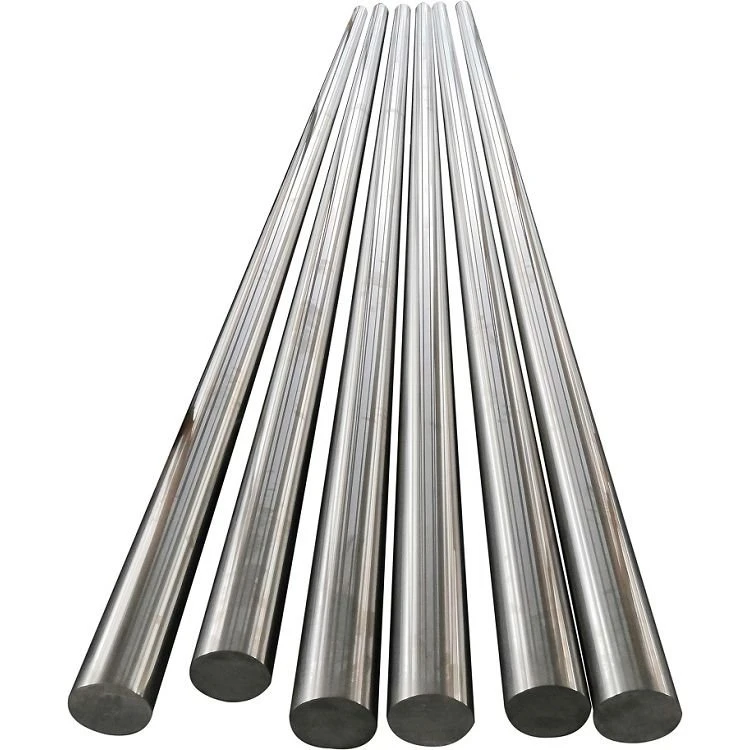
Hey there! As a supplier of Pump Shaft, I've seen my fair share of used pump shafts. Whether it's from a small domestic water pump or a large industrial sea - water pump, inspecting a used pump shaft is crucial to determine its usability and value. In this blog, I'm gonna walk you through the key inspection items for a used pump shaft.
Visual Inspection
The first step in inspecting a used pump shaft is a good old - fashioned visual check. You'd be surprised at how much you can tell just by looking.
Surface Condition
Take a close look at the shaft's surface. Are there any visible cracks? Cracks can form due to fatigue, improper installation, or overloading. Even small cracks can grow over time and lead to shaft failure. If you spot a crack, it's a red flag. The shaft might need to be replaced or at least undergo a more in - depth non - destructive testing.
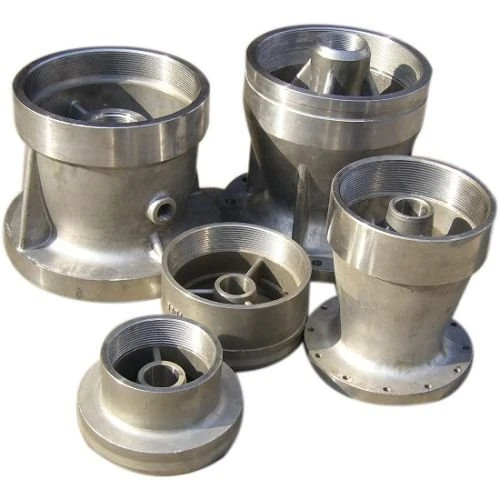
Also, check for corrosion. This is especially important for Sea Water Pump Parts. Sea water is highly corrosive, and if the shaft has been exposed to it, corrosion can eat away at the metal. Minor surface corrosion can sometimes be cleaned up, but if the corrosion has penetrated deeply, it can weaken the shaft and affect its performance.
Scratches and dents are another thing to watch out for. While small scratches might not be a big deal, deep scratches or dents can cause stress concentrations. These areas are more likely to develop cracks under load, so it's important to assess the severity of any surface damage.
Straightness
A straight shaft is essential for the proper operation of a pump. You can use a straightedge or a dial indicator to check the shaft's straightness. If the shaft is bent, it can cause vibrations in the pump, which can lead to premature wear of other components like bearings and seals. A bent shaft might be salvageable through straightening, but in some cases, it's just better to replace it.
Dimensional Inspection
Next up is dimensional inspection. The pump shaft needs to meet specific size requirements to fit properly in the pump and work effectively.
Diameter
Measure the diameter of the shaft at different points along its length. Any significant variation in diameter can indicate wear or damage. For example, if the shaft has been rubbing against a bearing, the diameter at that contact point might be smaller than the rest of the shaft. The diameter also needs to be within the specified tolerance for the pump model. If it's too large or too small, it can cause problems with the fit and performance of the pump.
Length
The length of the shaft is also important. It should match the design specifications of the pump. A shaft that is too long or too short can affect the alignment of the pump components and cause issues with the pump's operation. You can use a measuring tape or a caliper to measure the length accurately.
Keyways and Splines
If the shaft has keyways or splines, check their dimensions as well. These are used to transmit torque between the shaft and other components like impellers or couplings. Any wear or damage to the keyways or splines can prevent proper power transmission and lead to slipping or misalignment. Measure the width, depth, and length of the keyways or splines and compare them to the original specifications.
Material and Hardness Testing
The material and hardness of the pump shaft play a big role in its performance and durability.
Material Analysis
You can use techniques like spectroscopy to determine the material composition of the shaft. This is important because different materials have different properties. For example, a shaft made of a high - strength alloy will be more resistant to wear and corrosion than a shaft made of a lower - grade steel. Knowing the material composition can also help you determine if the shaft is suitable for the specific application, such as a sea - water pump.
Hardness Testing
Hardness testing can give you an idea of the shaft's resistance to wear and deformation. You can use a hardness tester to measure the hardness of the shaft at different points. A shaft with inconsistent hardness might have been heat - treated incorrectly or might have been exposed to high temperatures during its use. If the hardness is too low, the shaft is more likely to wear out quickly. If it's too high, the shaft might be brittle and prone to cracking.
Dynamic Balancing
Dynamic balancing is crucial for a smooth - running pump. An unbalanced shaft can cause vibrations, which can lead to increased noise, premature wear of components, and even pump failure.
Balancing Test
You can use a balancing machine to test the shaft's balance. The machine rotates the shaft at high speed and measures the amount of unbalance. Based on the results, weights can be added or removed from the shaft to achieve proper balance. A well - balanced shaft will reduce vibrations and improve the overall efficiency and lifespan of the pump.
Fit and Assembly Inspection
Finally, it's important to check how the used pump shaft fits into the pump and interacts with other components.
Bearing Fit
The shaft needs to fit properly in the bearings. Check the bearing journals on the shaft for any signs of wear or damage. If the fit is too loose, the shaft can move around in the bearings, causing vibrations and premature wear. If the fit is too tight, it can cause excessive friction and heat, which can also damage the bearings and the shaft.
Impeller and Coupling Fit
Similarly, check the fit between the shaft and the impeller or coupling. The keyways and splines should engage properly, and there should be no signs of misalignment or damage. A proper fit ensures that the power is transmitted smoothly from the motor to the impeller, and that the pump operates efficiently.
In conclusion, inspecting a used pump shaft is a multi - step process that requires careful attention to detail. By checking the surface condition, dimensions, material, hardness, balance, and fit, you can determine the quality and usability of the shaft. If you're in the market for a used pump shaft or need to inspect one for your existing pump, I'm here to help. As a Pump Shaft supplier, I have the expertise and experience to assist you. Whether you have questions about the inspection process or are looking to purchase a high - quality pump shaft, feel free to reach out for a procurement discussion.
References
- Machinery's Handbook
- Pump Engineering Manuals